Smart strategies to avoid traffic jams in Malaysian cities
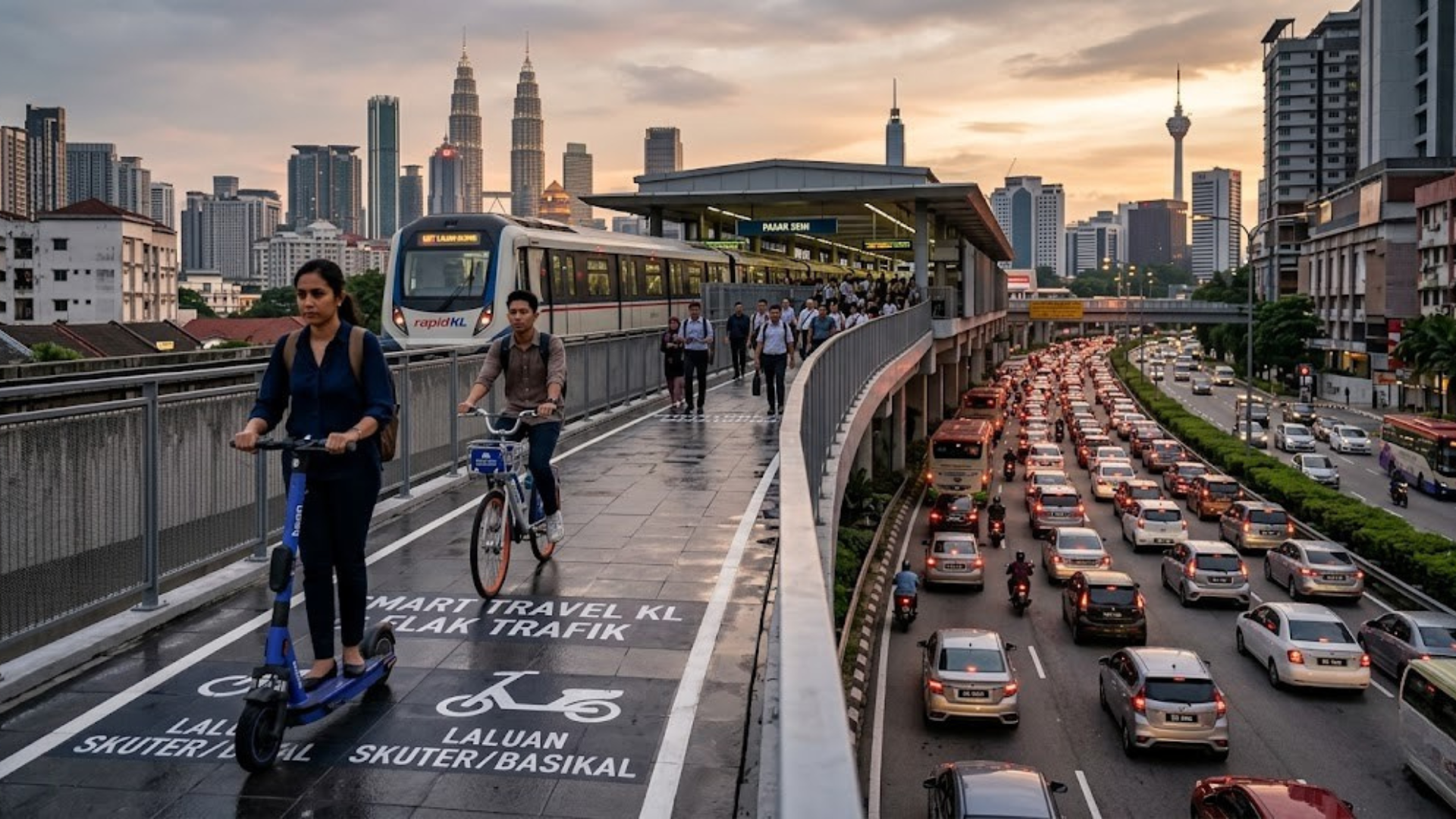
Urban areas in Malaysia are growing rapidly, and with this growth comes one unavoidable challenge:
traffic congestion. Cities like Kuala Lumpur, Penang, and Johor Bahru face heavy traffic during peak hours, which can increase travel time, fuel consumption, and stress for motorists. However, with the right strategies and planning, you can reduce your time stuck in traffic and enjoy smoother journeys.
Strategies to avoid traffic jams
1. Plan your journey in advance
One of the simplest ways to avoid traffic is planning your route before leaving. Using navigation apps with real-time traffic data helps identify congested areas and suggests alternative routes. Avoiding peak travel times, such as 7:00–9:00 AM and 5:00–7:00 PM, can also make a significant difference.
2. Use traffic apps and updates
Digital tools are invaluable for urban commuting. Apps like Google Maps, Waze, or the Motorist Malaysia App provide live traffic updates, accident alerts, and alternative route suggestions. By checking traffic conditions before you start your journey, you can choose the fastest route and avoid unnecessary delays.
3. Explore alternative routes
Familiarize yourself with secondary roads, backstreets, and shortcuts. While highways may seem faster, minor roads can sometimes offer quicker travel during congestion. Knowledge of multiple routes also provides flexibility when accidents or roadworks occur.
4. Consider public transport options
Using public transportation like the LRT, MRT, or buses can reduce the number of vehicles on the road and lower your personal stress levels. Park-and-ride facilities in urban hubs make commuting via public transport more convenient, allowing you to avoid driving into the busiest city centers.
5. Time your commute strategically
Flexible work hours or remote work arrangements can help you avoid rush hour entirely. Even leaving 30 minutes earlier or later than usual can significantly reduce time spent in traffic. Employers increasingly offer flexible schedules, making this a practical solution for many urban workers.
6. Carpooling and ride-sharing
Sharing rides with colleagues, friends, or neighbours not only reduces congestion but also saves on fuel and parking costs. Carpooling lanes in some areas provide faster travel during peak hours, adding an extra incentive.
7. Stay updated on roadworks and events
Construction projects, road maintenance, and local events can trigger unexpected traffic jams. Local government websites, social media, and traffic apps often provide advance warnings. Planning around these disruptions can save significant travel time.
8. Adopt smart driving habits
Maintaining a consistent speed, avoiding unnecessary lane changes, and keeping a safe distance from other vehicles can improve traffic flow. Aggressive driving often worsens congestion and increases the risk of accidents, which can further delay your commute.
9. Explore flexible mobility options
For short distances, consider alternatives such as motorcycles, bicycles, or e-scooters. These options are often faster in congested areas and help reduce the overall number of cars on the road.
10. Leverage technology for future planning
Traffic analytics and AI-driven apps are increasingly predicting congestion trends. Motorists who use these predictive tools can plan their travel more efficiently, making daily commutes smoother and less stressful.
Frequently asked questions (FAQs)
1. What are the peak traffic hours in Malaysian cities?
Peak traffic generally occurs from 7:00–9:00 AM and 5:00–7:00 PM on weekdays. Avoiding these times reduces congestion significantly.
2. Which apps provide the most accurate traffic updates in Malaysia?
Google Maps, Waze, and the Motorist Malaysia App offer real-time traffic updates, accident alerts, and alternative route suggestions.
3. Can carpooling really reduce travel time?
Yes, in areas with carpool lanes, sharing rides can save time during peak hours while also reducing fuel costs.
4. Are secondary roads always faster than highways?
Not always, but during heavy congestion on main highways, alternative routes can sometimes be quicker. Knowledge of multiple routes helps navigate unexpected traffic.
5. How can public transport help avoid traffic jams?
Using LRT, MRT, or buses reduces the number of private vehicles on the road and allows you to bypass congested areas, making commutes more predictable.
Sell or buy smarter with Motorist Malaysia
Whether you are buying your next car or planning to sell your current one, using the right platform can make a significant difference. Motorist Malaysia helps drivers compare multiple dealer offers, understand real market prices, and complete transactions with greater confidence.
Instead of guessing a vehicle’s value or negotiating blindly, Motorist Malaysia connects you with verified dealers and competitive offers. This ensures transparency, convenience, and better financial outcomes for Malaysian drivers.
Make your daily commute smarter and stress-free with Motorist Malaysia. Download the Motorist App for real-time traffic updates, route planning, and alerts on road conditions across Malaysian cities. Stay informed, save time, and enjoy smoother drives every day.
Read More: Malaysia’s most stressful roads ranked
Download the Motorist App now. Designed by drivers for drivers, this all-in-one app lets you receive the latest traffic updates, gives you access to live traffic cameras, and helps you manage vehicle related matters.