Guess the price: what Malaysians think their car is worth vs reality
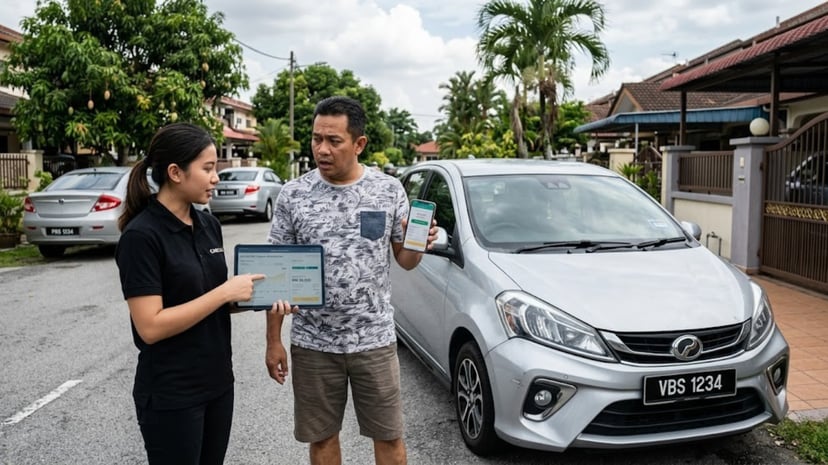
Selling a car in Malaysia often begins with a simple question: “How much is my car worth?”
For many owners, the answer feels obvious. You factor in how well you have maintained it, the upgrades you have added, and maybe even the sentimental value attached to it. But when real offers start coming in, the numbers can feel surprisingly lower than expected.
This gap between expectation and reality is more common than most Malaysians realise. To understand why, let us explore a simple experiment-style scenario that reflects what many car owners experience when they try to sell their vehicles.
The experiment: what owners think vs what the market says
Imagine a group of Malaysian car owners with vehicles ranging from five to ten years old. Before listing their cars, each owner is asked to estimate how much they believe their car is worth.
On average, most owners tend to price their vehicles 10 to 30 percent higher than actual market value. The reasons are understandable. Many consider their car to be in “better than average” condition, even when compared to similar listings. Others include the cost of recent repairs, new tyres, or accessories as part of the value.
However, when these same cars are evaluated by dealers, online platforms, or actual buyers, the offers often come in lower. This is not necessarily because buyers are trying to undervalue the car, but because they are looking at it from a market-driven perspective.
Why the price gap happens
One of the biggest reasons for this mismatch is emotional attachment. In Malaysia, cars are more than just transportation. They are tied to daily life, family memories, and personal milestones. This emotional connection can unintentionally inflate perceived value.
Another factor is lack of market visibility. Many sellers rely on rough estimates based on what they see online, but they may not account for differences in mileage, condition, accident history, or ownership records. Two cars of the same model and year can vary significantly in value depending on these details.
Depreciation also plays a major role. Cars in Malaysia typically lose value quickly, especially within the first five years. Owners may not fully account for this decline, particularly if they have not tracked current resale trends.
Lastly, dealer margins and buyer expectations influence final offers. Buyers often factor in future repair costs, transfer fees, and potential risks, which leads them to offer more conservative prices.
Real-world example: a common scenario
Consider a typical Malaysian sedan that was purchased for RM90,000 about seven years ago. The owner believes it is worth around RM55,000 due to careful maintenance and low mileage.
However, after checking multiple platforms and receiving offers, the realistic selling price falls between RM42,000 and RM47,000. While this may feel disappointing, it aligns with current market demand, depreciation curves, and comparable listings.
This scenario is not unusual. In fact, it reflects a pattern seen across different car segments, from compact cars to SUVs.
The importance of accurate valuation
Understanding your car’s true market value is crucial if you want to sell efficiently. Overpricing can lead to long listing periods, fewer enquiries, and eventual price drops. Under-pricing, on the other hand, means leaving money on the table.
An accurate valuation considers multiple data points, including recent transaction prices, current demand, vehicle condition, and buyer behaviour. It removes guesswork and provides a realistic starting point for negotiations.
For Malaysian car owners, this is where digital platforms and data-driven tools make a significant difference. Instead of relying on assumptions, sellers can access real-time insights that reflect what buyers are actually willing to pay.
Bridging the gap between expectation and reality
The key to closing the price gap lies in shifting perspective. Instead of asking, “What do I feel my car is worth?” it is more effective to ask, “What is the market willing to pay today?”
This mindset helps sellers approach the process more strategically. It encourages better preparation, realistic pricing, and smoother negotiations. It also reduces frustration, as expectations are aligned with actual outcomes from the start.
Additionally, being transparent about your car’s condition and history builds trust with potential buyers. This can lead to stronger offers and faster transactions.
A smarter way to sell your car in Malaysia
Selling a car does not have to feel like a guessing game. With the right tools and insights, Malaysian car owners can make informed decisions and achieve fair market value without unnecessary stress.
Modern platforms now connect sellers directly with a network of verified dealers, allowing for competitive bidding and better price discovery. This approach not only saves time but also ensures that offers reflect real demand rather than assumptions.
By using accurate data and trusted platforms, you can turn the selling process into a more predictable and rewarding experience.
Frequently asked questions [FAQ]
1.Why do Malaysian car owners overestimate their car value?
Many owners factor in emotional attachment, maintenance costs, and personal perception of condition, which can inflate expected value beyond market reality.
2.How can I find my car’s actual market value in Malaysia?
The best way is to use platforms that provide real-time valuations based on current market data and dealer offers rather than relying solely on listing prices.
3.Does car condition really affect resale value that much?
Yes, factors like mileage, accident history, service records, and overall condition can significantly impact the final selling price.
4.Is it better to sell to a dealer or directly to a buyer?
Both options have pros and cons, but platforms that connect you to multiple dealers can help you get competitive offers quickly and efficiently.
5.How long does it usually take to sell a car in Malaysia?
It depends on pricing and demand, but overpriced cars can take much longer to sell, while accurately priced vehicles often move faster.
If you want to avoid the guesswork and get a real, data-driven price for your car, Motorist Malaysia offers a smarter solution.
With access to a wide network of dealers and accurate market insights, you can receive competitive offers that reflect your car’s true value.
The Motorist App makes the process even easier by allowing you to get valuations, compare offers, and manage your sale all in one place. Instead of wondering what your car is worth, let real market demand give you the answer and sell with confidence today.
Read More: Repair or replace? What Malaysian drivers need to know before deciding
Download the Motorist App now. Designed by drivers for drivers, this all-in-one app lets you receive the latest traffic updates, gives you access to live traffic cameras, and helps you manage vehicle related matters.