The hidden link between tyre pressure and fuel consumption
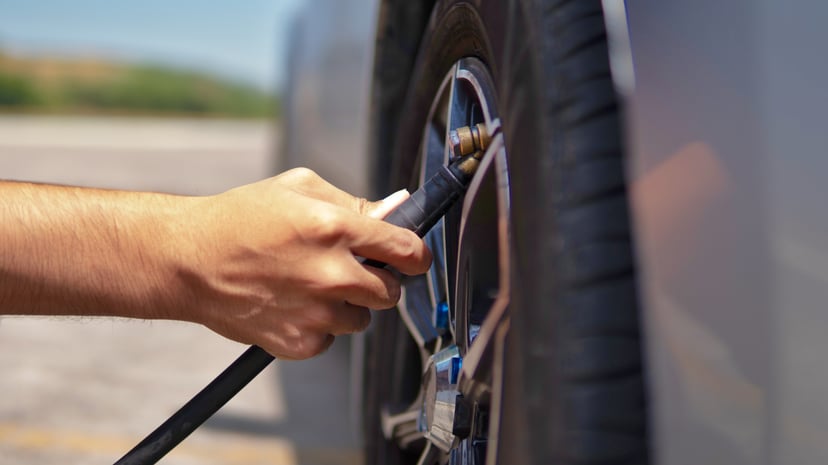
For many drivers, fuel consumption is often blamed on traffic, driving habits, or rising petrol prices. However, one of the most overlooked factors is something far simpler: tyre pressure. It may seem minor, but incorrect tyre pressure can quietly increase your fuel usage more than you expect, costing you more money over time.
Tyre pressure directly affects how your car interacts with the road. When your tyres are underinflated, more of the tyre surface touches the road, creating higher rolling resistance. This means your engine has to work harder to move the vehicle forward, which leads to increased fuel consumption. On the other hand, properly inflated tyres reduce resistance, allowing your car to move more efficiently and use less fuel.
The impact on fuel consumption can be significant. Studies have shown that driving with underinflated tyres can increase fuel usage by up to 3 to 5 percent. While this may not sound like much initially, it adds up over weeks and months, especially for daily commuters in Malaysia who rely heavily on their vehicles. Over time, this could mean spending hundreds of ringgit more on fuel each year.
Beyond fuel efficiency, incorrect tyre pressure also affects overall vehicle performance. Underinflated tyres can make your car feel sluggish and less responsive, especially during acceleration and cornering. This not only impacts your driving experience but also compromises safety. Overinflated tyres, while reducing rolling resistance slightly, can lead to reduced grip and uneven tyre wear, increasing the risk of skidding, particularly on wet roads.
Weather conditions also play a role in tyre pressure. In hot climates like Malaysia, tyre pressure can increase as temperatures rise. Conversely, heavy rain or cooler conditions may slightly reduce pressure. This makes it even more important to check your tyre pressure regularly, rather than assuming it remains constant.
Maintaining the correct tyre pressure is simple but often neglected. Most vehicles have a recommended tyre pressure listed in the owner’s manual or on a sticker inside the driver’s door. Checking your tyre pressure at least once a month and before long journeys can make a noticeable difference in fuel efficiency and safety. It is also advisable to check tyre pressure when the tyres are cold, as driving heats them up and can give inaccurate readings.
Another factor to consider is load. If you frequently carry heavy items or passengers, your tyres may require slightly higher pressure to maintain optimal performance. Ignoring this can further increase fuel consumption and accelerate tyre wear.
Modern vehicles are increasingly equipped with Tyre Pressure Monitoring Systems, but these should not replace manual checks. These systems typically alert you only when pressure drops significantly, which means you could already be driving inefficiently before receiving a warning.
Ultimately, tyre pressure is a small detail that has a big impact. By maintaining the correct pressure, you not only save fuel but also extend tyre lifespan, improve safety, and enhance overall driving comfort. In a time where fuel prices remain unpredictable, this simple habit can help you stay in control of your expenses.
FAQ
1. How often should I check my tyre pressure?
You should check your tyre pressure at least once a month and before any long-distance trip to ensure optimal performance and fuel efficiency.
2. Does tyre pressure really affect fuel consumption?
Yes, underinflated tyres increase rolling resistance, forcing the engine to use more fuel. Even a small drop in pressure can lead to noticeable fuel inefficiency.
3. What happens if my tyres are overinflated?
Overinflated tyres can reduce traction, cause uneven wear, and make your ride less comfortable. It may slightly improve fuel efficiency but compromises safety.
4. Is it better to check tyre pressure when tyres are hot or cold?
It is best to check tyre pressure when tyres are cold, as heat from driving can increase pressure and give inaccurate readings.
5. Can proper tyre pressure extend tyre lifespan?
Yes, maintaining the correct tyre pressure ensures even wear, helping your tyres last longer and perform better over time.
If you want to save more on fuel and keep your car running at its best, don’t overlook the basics. Motorist Malaysia makes car ownership easier by helping you stay on top of essential maintenance, compare services, and get the best value for your vehicle. Visit Motorist Malaysia today and take control of your driving costs with smarter, more efficient solutions.
Read More: How much money are you losing by keeping an old car too long?
I want to find the highest selling price for my car within 24 hours!
Download the Motorist App now. Designed by drivers for drivers, this all-in-one app lets you receive the latest traffic updates, gives you access to live traffic cameras, and helps you manage vehicle related matters.