The Motorist Guide to JPJ blacklist & car check Malaysia
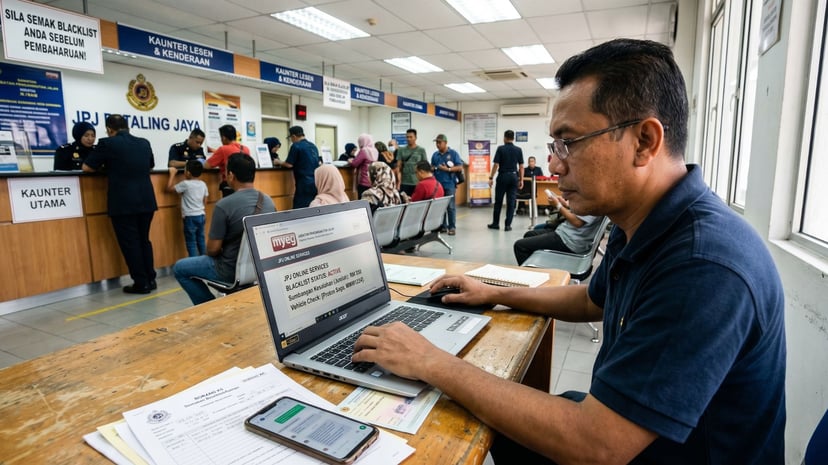
Buying or selling a car in Malaysia is not complete without checking its legal status through JPJ. One of the most important checks is whether the vehicle is blacklisted. A JPJ blacklist refers to a restriction placed on a vehicle by the Road Transport Department (JPJ) due to legal, financial, or administrative issues that must be resolved before ownership can be transferred.
In Malaysia, JPJ (Jabatan Pengangkutan Jalan) is the official authority responsible for vehicle registration, ownership records, road tax, and enforcement. When a vehicle is blacklisted, it means there is an active issue linked to the car that prevents normal processes such as ownership transfer, insurance renewal, or road tax updates.
A car can be blacklisted for several reasons. The most common cause is unpaid traffic summonses. Another major reason is outstanding bank loans where the vehicle is still under financing. In some cases, legal disputes, stolen vehicle reports, or incomplete ownership documentation can also trigger a blacklist status.
Understanding blacklist status is important because it directly affects both buyers and sellers. A buyer who purchases a blacklisted car may not be able to transfer ownership, while a seller who ignores blacklist issues may face delays, rejected transactions, or reduced buyer trust.
Step-By-Step Guide To Check Jpj Blacklist Status
Checking whether a car is blacklisted in Malaysia is a structured process that ensures the vehicle is safe to buy or sell. The following steps explain how the verification process works in a clear and practical way.
The first step is to identify the vehicle details accurately. This includes the vehicle registration number, chassis number (if available), and the current owner’s details. Having correct information is important because JPJ records are strictly matched to these identifiers.
The second step is to access an official or authorised vehicle status checking platform. In Malaysia, JPJ provides official channels where vehicle information can be verified. Some authorised automotive platforms also integrate these checks into their systems for easier access.
The third step is to enter the vehicle registration number into the system. This is the key identifier used to retrieve the car’s legal and administrative status. Once entered, the system will display whether the vehicle has any blacklist status, outstanding issues, or restrictions.
The fourth step is to review the results carefully. If the vehicle is clear, it means there are no legal or financial restrictions preventing ownership transfer. If the vehicle is blacklisted, the system will usually indicate the reason, such as outstanding loans or unpaid summonses.
The fifth step is to verify ownership status. This step ensures that the person selling the car is the legal owner or has the authority to transfer it. If ownership does not match or is still under financing, additional clearance from the bank or relevant authority will be required.
The sixth step is to check for outstanding loans. Many vehicles in Malaysia are purchased through financing, and ownership remains with the bank until the loan is fully settled. If a loan is still active, the car cannot be transferred until the settlement process is completed.
The seventh step is to confirm that all traffic fines or summonses have been cleared. Unpaid fines can prevent ownership transfer and may become the responsibility of the new owner if not properly checked before purchase.
The final step is to ensure all documentation is consistent before proceeding with the transaction. This includes matching the vehicle details, ownership records, and financial clearance. Only after all checks are completed should the buyer proceed with payment or ownership transfer.
Why JPJ blacklist checks Matter
A JPJ blacklist check is not just a formality. It is a critical safety step that protects both buyers and sellers from legal and financial risks. Without proper verification, buyers may end up with vehicles that cannot be legally transferred, while sellers may face disputes or transaction delays.
In Malaysia’s used car market, trust and verification are essential. Most experienced buyers will not proceed with a purchase unless JPJ status has been confirmed. This has made blacklist checking a standard part of every legitimate vehicle transaction.
FAQ
1. What is a JPJ blacklist?
A JPJ blacklist is a restriction placed on a vehicle due to unpaid fines, outstanding loans, or legal issues that prevent ownership transfer.
2. How do I check if a car is blacklisted in Malaysia?
You can check through official JPJ channels or authorised vehicle verification platforms by entering the car’s registration number.
3. Can I still buy a blacklisted car?
Yes, but only if the issues are resolved first. Ownership transfer cannot proceed until the blacklist is cleared.
4. What happens if I ignore a blacklist check?
You may face legal issues, failed ownership transfer, or financial loss if the vehicle cannot be legally registered under your name.
5. Is JPJ blacklist checking necessary for all cars?
Yes, it is strongly recommended for all used car transactions in Malaysia to ensure legal and financial safety.
Before buying or selling a car in Malaysia, always verify its JPJ status to avoid unnecessary risks. Motorist Malaysia helps you check car details, understand ownership history, and make safer vehicle decisions. From valuation to verification, everything is made simple in one platform. Visit Motorist Malaysia today to check your car confidently before you commit.
Read More: https://www.motorist.my/article/5667/over-15m-vehicles-in-malaysia-with-road-tax-expired
I want to find the highest selling price for my car within 24 hours!
Download the Motorist App now. Designed by drivers for drivers, this all-in-one app lets you receive the latest traffic updates, gives you access to live traffic cameras, and helps you manage vehicle related matters.