Engine swap in Malaysia: When must you update your JPJ records?
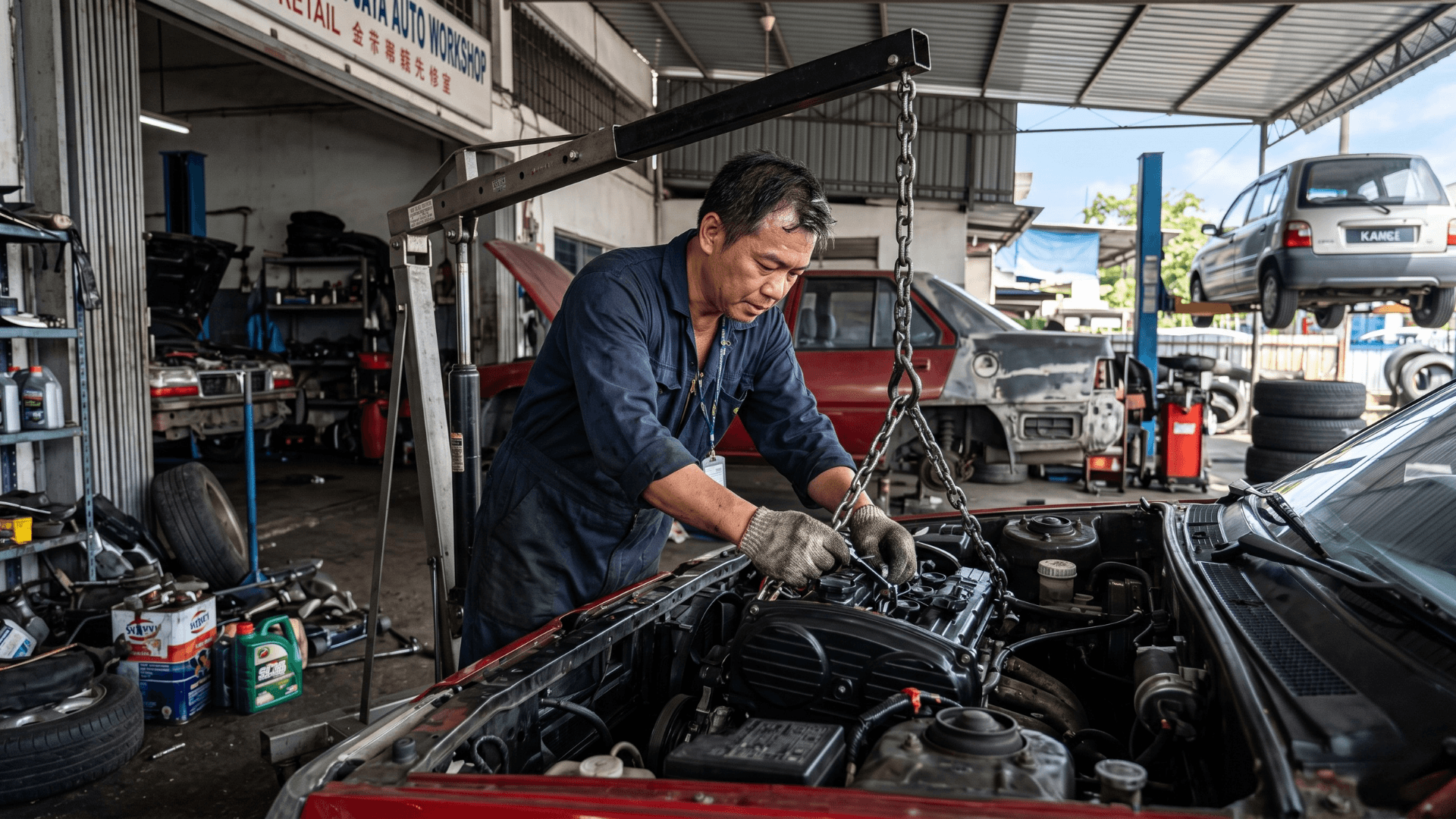
Replacing a damaged engine or installing a different engine may seem like a mechanical job, but in Malaysia it can also affect your vehicle's official registration details. If the engine number, capacity, make or fuel type changes, the information recorded by the Road Transport Department, or JPJ, may need to be updated.
Under Section 12(2) of the Road Transport Act 1987, a registered vehicle owner must immediately inform the relevant JPJ Director in writing of any circumstance or event that affects the accuracy of information in the vehicle register. JPJ may subsequently amend the register and registration details based on the information or evidence provided.
When does an engine swap need JPJ approval?
Not every engine replacement is treated in exactly the same way. JPJ's engine conversion guideline identifies specific types of engine changes that require approval.
JPJ requires approval when the new engine increases the original engine capacity by more than 30 percent. Approval is also required when changing to an engine that uses a different fuel type, changing the engine of a commercial or public service vehicle, installing an engine of a different make, or changing the engine of a motorcycle.
For motorcycles, JPJ's guideline states that the replacement engine is only permitted when it is of the same make and capacity. For vehicles that have undergone more than one engine conversion, the difference in engine capacity is calculated against the capacity recorded when the vehicle was originally registered.
What if you install an engine with the same capacity?
This is where many vehicle owners become confused. JPJ's published guideline specifically identifies the categories that require engine conversion approval. However, the requirement to maintain accurate vehicle registration information is broader. Section 12 of the Road Transport Act requires the registered owner to notify JPJ when something happens that affects the accuracy of the vehicle's registered details.
Therefore, even if you replace an engine with another unit of the same capacity and make, you should not assume that no JPJ action is necessary. If the replacement carries a different engine number or changes other information recorded for the vehicle, the relevant records should be updated.
JPJ's online engine conversion process itself asks applicants to provide information including the new engine make, engine number, engine capacity and fuel type.
What documents are needed for an engine change?
JPJ states that an engine conversion application can be made through its portal or at the Automotive Engineering Division counter at a state JPJ office. Applicants may need to submit the JPJTE engine change application form together with the vehicle's registration document or Vehicle Ownership Certificate.
The source of the replacement engine also matters. If you purchase an imported engine, JPJ requires a Customs K1 report containing the new engine number. If the engine comes from another vehicle, an official confirmation of the sale must be provided together with the JPJK2 registration card or Vehicle Ownership Certificate relating to the vehicle from which the engine was obtained. Estate cases may require documentation from Amanah Raya or a court order.
These requirements make it important to keep invoices, ownership documents and proof of the engine's origin when purchasing a replacement unit.
Will an engine swap require a vehicle inspection?
An engine conversion can also involve vehicle inspection requirements, particularly where the vehicle's specifications have been modified.
PUSPAKOM describes its Special Inspection, also known as B2, as an inspection used for vehicles subject to certain modification requirements. Its 2026 information explains that B2 can assess areas including structural condition, vehicle identification details and compliance with regulatory requirements.
JPJ's engine conversion guideline also imposes technical conditions. The vehicle's chassis structure must be in good condition, and specified steering and engine mounting components must not be modified or welded. Engine capacity increases of more than 30 percent are also subject to enhanced braking requirements.
This means legalising an engine conversion is not simply about changing an engine number in JPJ's database. The vehicle itself must comply with the applicable technical requirements.
Why should your JPJ records match the engine?
Accurate records help ensure that the vehicle's physical identification details correspond with the information registered with JPJ. The Road Transport Act allows JPJ to require a vehicle to be inspected if there is reason to believe its identifying particulars, construction or other characteristics have been changed after registration.
It also allows JPJ to amend the vehicle register after receiving the necessary information or evidence. A mismatch can therefore become relevant when the vehicle undergoes an inspection or other registration-related process.
What should you do before changing an engine?
Before purchasing a replacement engine, confirm its engine number, capacity, make, fuel type and source. Compare those details with your vehicle's existing registration information and determine whether the proposed change falls under a category requiring JPJ approval.
It is also safer to check the applicable JPJ requirements before beginning major modification work rather than trying to correct the paperwork after the engine has already been installed.
FAQ
1. Do I need to update JPJ after changing my car engine?
If the engine replacement changes information recorded in JPJ's vehicle register, such as the engine number or other registered engine details, the owner should notify JPJ so the vehicle record can be updated.
2. Does every engine swap need JPJ approval?
JPJ specifically requires approval for certain categories, including an engine capacity increase of more than 30 percent, a different fuel type, a different engine make, commercial or public service vehicles, and motorcycles.
3. Can I install an imported engine?
JPJ's guideline provides for imported replacement engines, but applicants must submit a Customs K1 report showing the new engine number when the engine has been imported.
4. Can I install a bigger engine in a motorcycle?
JPJ states that motorcycle engine replacements are only allowed when the replacement engine is of the same make and the same capacity.
Sell your car confidently with Motorist Malaysia
If you are thinking about selling your car after an engine replacement, make sure its JPJ information and supporting documents are properly updated first. Motorist Malaysia can help you request a car valuation and make the car-selling process simpler and more convenient. Submit your vehicle details to Motorist Malaysia today and discover how much your car could be worth.
I want to find the highest selling price for my car within 24 hours!
Download the Motorist App now. Designed by drivers for drivers, this all-in-one app lets you receive the latest traffic updates, gives you access to live traffic cameras, and helps you manage vehicle related matters.