Can JPJ seize your vehicle in Malaysia? Know the rules
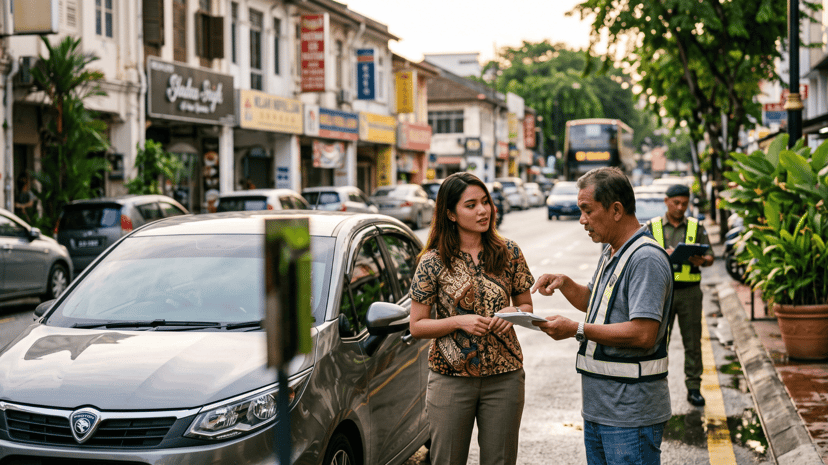
Yes, a vehicle can legally be seized in Malaysia in certain circumstances, particularly when it is being used in breach of road-transport laws and the vehicle or driver cannot be sufficiently identified, or seizure is necessary to stop an offence from continuing. However, vehicle seizure is not an automatic consequence of every traffic offence. Whether a vehicle can be taken and detained depends on the circumstances of the offence and whether the legal conditions for seizure are met.
For drivers, understanding the difference between receiving a traffic notice, having a vehicle temporarily detained and having a vehicle formally seized can help prevent confusion when enforcement action occurs.
Key Takeaways
Not every traffic offence results in vehicle seizure.
A vehicle may be seized if the vehicle or driver cannot be sufficiently identified.
Seizure may also be used when necessary to stop an offence from continuing.
A detained vehicle may be released once the relevant identity or offence issue has been resolved.
If a seized vehicle remains unclaimed for 3 months from the date of detention, the matter may be referred to a Magistrate for an appropriate order.
When can a vehicle be seized in Malaysia?
When a vehicle is being used in breach of road-transport law
A vehicle may become subject to seizure when there are reasonable grounds to believe it is being used in contravention of applicable road-transport legislation, an order or prohibition made under the law, or conditions attached to its licence.
Importantly, the existence of an offence by itself does not necessarily mean the vehicle must be seized. Additional circumstances relating to identification or preventing an ongoing offence are relevant.
When the driver or vehicle cannot be sufficiently identified
A vehicle may be seized where authorities cannot sufficiently establish the identity of the vehicle or the person driving it. Drivers should therefore ensure that their vehicle registration information, number plate and identifying details correspond with their official vehicle records.
When seizure is needed to stop an ongoing offence
Seizure may also be used when taking control of the vehicle is necessary to prevent an offence from continuing. This makes seizure partly a preventive measure. The aim may be to stop continued unlawful use of the vehicle rather than simply punish an offence that has already occurred.
When the vehicle is used contrary to its licence conditions
Using a vehicle in a way that breaches conditions attached to its applicable licence may also fall within the legal framework for seizure. The circumstances surrounding the offence will still determine whether seizure is necessary.
Does every traffic offence mean your car will be seized?
No. A traffic offence does not automatically mean your vehicle will be seized.
The legal seizure framework considers more than the existence of an offence. Factors such as whether the driver or vehicle can be identified and whether seizure is required to prevent the offence from continuing are important.
For many ordinary traffic violations, other enforcement measures may apply instead.
What happens after a vehicle is seized?
Once seized, a vehicle may be moved to a safe or suitable place and detained while the relevant issue is resolved.
A vehicle may generally be considered for release once:
The identity of the driver or vehicle has been established.
The offence that led to seizure has been stopped or resolved.
A court orders the vehicle to be released.
Where applicable, removal or detention charges may also have to be settled.
If the registered owner's name and address are known, written notification regarding the detention should be provided as soon as reasonably practicable.
How long can a seized vehicle be held?
There is no general rule saying every seized vehicle must automatically remain detained for 3 months.
The general principle is that a vehicle should not remain detained longer than necessary to establish the required identity or prevent the relevant offence from continuing, subject to applicable legal procedures.
The separate 3-month period applies when a vehicle remains unclaimed.
If the owner does not claim the vehicle within three months from the date of detention, the matter may be referred to a Magistrate, who can determine the appropriate order relating to forfeiture or disposal.
What documents may you need to claim a seized vehicle?
Drivers should be prepared to prove both their identity and their legal connection to the vehicle.
Depending on the situation, commonly required documents may include:
Valid vehicle licence and insurance, where applicable.
Valid and active driving licence.
Identification document and a copy.
Relevant permit or operator licence for certain commercial vehicles.
Company ownership or authorisation documents for company-registered vehicles.
The registered owner or authorised claimant may also need to attend the office responsible for the seizure to complete the release process.
Old way vs Motorist App: Staying on top of vehicle matters
A vehicle-management app cannot prevent authorities from taking enforcement action where an offence has occurred. It can, however, make it easier to stay aware of important vehicle information before problems develop.
| Vehicle-management task |
Traditional approach |
Motorist App |
|---|---|---|
| Road tax expiry | Manually remember or record 1 expiry date | Receive road-tax expiry alerts |
| Traffic fines | Check separately when needed | Receive fine alerts and view relevant information |
| Vehicle information | Refer to separate vehicle records | View vehicle details in the app |
| Traffic conditions | Check another traffic source before driving | Access real-time traffic cameras and updates |
| Core ownership checks | At least 4 separate items to keep track of: road tax, insurance, fines and vehicle details | Manage these key items from 1 app |
The Motorist App is best viewed as a preventive vehicle-management tool rather than a substitute for official enforcement or vehicle-release procedures.
Expert tip
Check your vehicle's identifying information whenever you buy a used car or complete an ownership transfer.
Compare the registration number and relevant vehicle identification details against your ownership records. Do this immediately after the transfer rather than waiting until your next inspection, renewal or roadside check.
Accurate vehicle identification matters because inability to sufficiently identify a vehicle or driver can be relevant when seizure powers are considered.
Common mistake to avoid
Do not assume that paying a traffic fine automatically means a seized vehicle can immediately be collected.
Payment of a fine and release of a vehicle can be separate matters. The underlying issue that resulted in seizure may first need to be resolved, identification established, required documentation provided or other release conditions fulfilled. Always establish what remains outstanding before attempting to collect the vehicle.
Can a seized vehicle be permanently forfeited?
Potentially, but seizure and forfeiture are not the same thing. Seizure refers to taking and temporarily detaining a vehicle under the relevant legal powers.
Where a vehicle remains unclaimed for 3 months from the date of detention, the matter may be referred to a Magistrate, who determines the appropriate order regarding forfeiture or disposal. A vehicle therefore does not simply become permanently forfeited the moment it is seized.
Conclusion
Vehicle seizure in Malaysia can happen under specific circumstances, but it is not an automatic result of every traffic offence. Keeping your vehicle records valid, accurate and up to date can help reduce unnecessary complications during an enforcement check.
FAQ
1. Can my vehicle be seized for any traffic offence?
No. Not every traffic offence automatically results in seizure; the circumstances of the offence and whether seizure is necessary are also relevant.
2. Can my car be seized if my identity cannot be confirmed?
A vehicle may be seized where the vehicle or driver cannot be sufficiently identified and the other applicable legal requirements are satisfied.
3. Can a vehicle be seized to stop an offence from continuing?
Yes. One recognised reason for seizure is where taking control of the vehicle is necessary to prevent an offence from continuing.
4. Can my vehicle be seized for breaching licence conditions?
Potentially. Use of a vehicle contrary to applicable licence conditions may fall within the seizure framework when the additional legal requirements are met.
5. Is a seized vehicle automatically held for 3 months?
No. The three-month period relates to vehicles that remain unclaimed; it is not a mandatory detention period for every seized vehicle.
6. What happens if I do not claim my vehicle within 3 months?
If a vehicle remains unclaimed for three months from its date of detention, the matter may be referred to a Magistrate for an appropriate order regarding forfeiture or disposal.
7. Will I be notified if my vehicle is detained?
Where the owner's name and address are known, written notice regarding the detention should generally be provided as soon as reasonably practicable.
8. Can I collect my vehicle immediately after paying a fine?
Not necessarily. The issue that resulted in seizure may also need to be resolved, and identification, documentation or other release requirements may still apply.
9. What documents should I bring when claiming a seized vehicle?
Depending on the case, you may need identification, a valid driving licence, vehicle and insurance documentation and any applicable ownership, permit or company documents.
10. Can someone else collect my vehicle for me?
Certain authorised parties may be permitted to claim a vehicle depending on ownership and circumstances, but appropriate authorisation and supporting documentation may be required.
11. Are there fees for claiming a seized vehicle?
Removal or detention fees may apply depending on the circumstances and applicable rules. Drivers should confirm the amount payable for their individual case rather than relying on a general estimate.
Stay on top of your vehicle matters before they become problems
Download the Motorist App to keep important vehicle information in one place, receive reminders for road tax and insurance expiry, stay updated on traffic fines and access useful driving and traffic information.
Read More: How much is my car actually worth in Malaysia?
I want to find the highest selling price for my car within 24 hours!
Download the Motorist App now. Designed by drivers for drivers, this all-in-one app lets you receive the latest traffic updates, gives you access to live traffic cameras, and helps you manage vehicle related matters.