Tyre blowout on highway? How to stay calm & stop safely
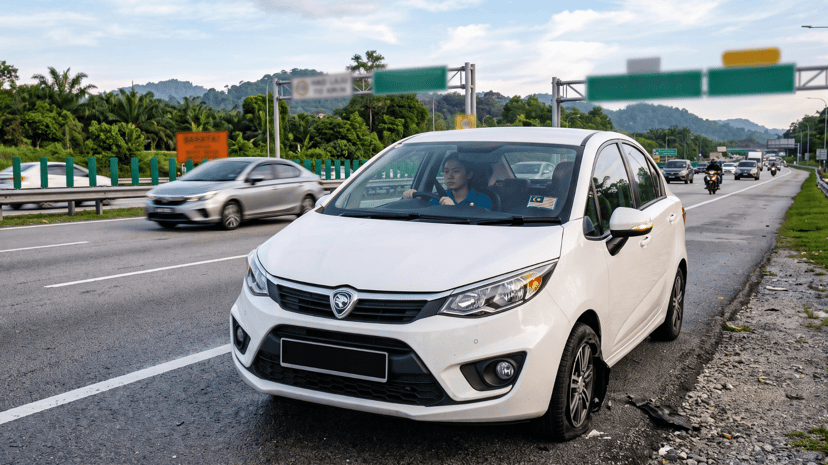
If your tyre blows out on the highway, do not brake hard or yank the steering wheel instead, ease off the accelerator, hold the steering wheel firmly, let the car slow down naturally, and steer gently onto the shoulder before braking gradually once your speed has dropped. That single sequence off gas, hold straight, coast, then brake is what separates a controlled stop from a loss of control.
A blowout happens in a split second. One moment you're cruising at highway speed, the next you hear a loud bang, feel the car pull hard to one side, and the steering suddenly feels heavy or wobbly. Your instinct will scream at you to slam the brakes or yank the wheel straight but that instinct is exactly what causes most blowout-related crashes. The car pulling, the noise, the vibration it's disorienting, but the physics of what to do next are simple and learnable.
This guide breaks down exactly what to do in the first five seconds of a blowout, the most common mistake drivers make, and how to make sure help reaches you fast if you're stuck on the shoulder afterward.
Key Takeaways
- Don't brake hard or swerve. Sudden braking or sharp steering after a blowout is the leading cause of drivers losing control post-blowout.
- Ease off the accelerator first. Let the car decelerate naturally before touching the brake pedal.
- Grip the wheel firmly with both hands to counter the pull toward the side of the blown tyre.
- Signal early and move gradually to the road shoulder once your speed has dropped to a safer range.
- Have a roadside assistance plan ready a blowout on a highway shoulder is one of the most dangerous places to be stranded, so getting help quickly matters more than changing the tyre yourself.
Why tyre blowouts happen on highways
Sustained high speed generates heat. Highway driving keeps a tyre under continuous load and friction for long stretches, and heat build-up is one of the biggest contributors to a sudden tyre failure especially in Malaysia's hot, humid climate where road surface temperatures climb quickly in the afternoon.
Under-inflation is the silent trigger. A tyre running below its recommended pressure flexes more with every rotation, generating excess internal heat that weakens the tyre structure over a long drive often without any visible warning beforehand.
Worn or aged tyres fail without notice. Tyres degrade from the inside even when tread still looks acceptable. A tyre nearing the end of its usable life is far more likely to fail under the stress of sustained highway speed.
Step-by-step: What to do in the first 5 seconds
1. Stay off the brake
Your first instinct will be to stomp the brake pedal. Resist it. Braking hard while a tyre is blown shifts weight unevenly across the car and can trigger a spin, especially at highway speed.
2. Ease off the accelerator
Take your foot off the gas smoothly don't lift abruptly either. A gradual release lets the car begin decelerating on its own without a sudden weight shift.
3. Grip the wheel and hold your lane
A blown tyre pulls the car toward that side almost immediately. Hold the steering wheel with both hands, firmly at the standard position, and counter-steer just enough to keep the car straight don't overcorrect.
4. Let the car slow naturally
Allow your speed to drop through natural deceleration before you touch the brake at all. This can take a few seconds longer than instinct wants, but it's the safest path.
5. Signal and move to the shoulder gradually
Once you've slowed to a safer speed, signal, check your mirrors, and steer gradually toward the road shoulder never a sharp lane change.
6. Brake gently once nearly stopped
Only apply light, steady brake pressure once you're mostly onto the shoulder and your speed is already low.
7. Turn on hazard lights and get fully off the road
As soon as you're stopped, switch on your hazard lights immediately. If possible, position the car as far onto the shoulder or emergency lane as the road allows.
Pre-highway-trip tyre checklist
Most blowouts give warning signs long before the actual failure. Run through this checklist before any highway drive:
| Check | What to Look For | Recommended Action |
|---|---|---|
| Tyre pressure (cold) | Below the manufacturer's recommended PSI, listed on the driver-side door jamb sticker | Inflate to the recommended level before setting off, not after driving |
| Tread depth | Less than 1.6mm remaining, or the built-in tread wear indicator bar is flush with the tread | Replace the tyre before the trip |
| Tyre age | More than 5–6 years from the manufacture date (found on the sidewall as a 4-digit code, e.g. 2321 = week 23 of 2021) | Have a workshop inspect it even if tread looks fine |
| Sidewall condition | Visible cracks, bulges, or bubbles | Replace immediately do not drive on it |
| Spare tyre | Pressure and tread not checked in months | Check it every time you check your main tyres |
| Vehicle load | Carrying more than the manufacturer's rated payload | Redistribute or reduce load before a long highway drive |
Expert tip
Check your tyre pressure monthly, and always before a long highway trip including the spare. Most drivers only think about tyre pressure when a tyre already looks flat, but the more dangerous scenario is a tyre that's slightly under-inflated and looks fine. Keep a small digital pressure gauge in your glovebox and check pressures when tyres are cold (before driving, not after highway heat has built up), since a hot tyre will always read higher than its true resting pressure.
Common mistake to avoid
Slamming the brakes the instant you hear the bang. This is the single most common and most dangerous reaction drivers have. Hard braking during a blowout shifts the car's weight forward and to one side simultaneously, which is when spins and rollovers happen. The counter-intuitive but correct move is to do less, not more: ease off the gas, hold the wheel steady, and let the car slow down on its own before braking at all.
Conclusion
A tyre blowout is frightening, but it's also survivable with the right reflexes ease off the gas, hold the wheel firm, coast before braking, and pull gradually onto the shoulder. Preparation matters just as much as reaction: keep your tyres in good condition, and have a reliable way to get help fast once you're stopped. The Motorist App puts that help a single tap away.
FAQ
1. What should I do first when a tyre blows out on the highway?
Ease off the accelerator immediately without braking, and hold the steering wheel firmly to keep the car straight as it naturally slows down.
2. Should I brake immediately after a blowout?
No. Braking hard right after a blowout can cause the car to spin or lose control. Only brake gently once your speed has already dropped and you're close to the shoulder.
3. Which tyre is most likely to blow out front or rear?
Either can fail, but front tyre blowouts are generally harder to control because they affect steering more directly, while rear blowouts tend to cause fishtailing.
4. What causes a tyre blowout on the highway?
The most common causes are under-inflation, worn or aged tyres, overloading the vehicle, and prolonged heat build-up from sustained high-speed driving.
5. How do I know if a tyre is at risk of blowing out before a trip?
Check tyre pressure when cold, inspect tread depth and sidewalls for cracks or bulges, and note the tyre's age — tyres nearing the end of their service life are higher risk regardless of tread appearance.
6. Is it safe to change a tyre on the highway shoulder myself?
It's risky. The shoulder of a highway is one of the most dangerous places to stand due to passing traffic, so calling for roadside assistance and waiting in a safe spot away from the car is generally safer than attempting a roadside tyre change yourself.
7. What should I do while waiting for roadside help after a blowout?
Turn on your hazard lights, stay inside the car with your seatbelt on if it's unsafe to exit, or stand well away from the road behind a barrier if you do exit, and use an app-based SOS feature so your location is shared automatically.
8. Can regular tyre maintenance actually prevent a blowout?
Yes. Most blowouts are preventable regular pressure checks, timely tyre replacement, and avoiding overloading the vehicle significantly reduce the risk of a sudden tyre failure on the highway.
9. Does driving speed affect blowout risk?
Yes. Higher, sustained speeds generate more heat in the tyre, which increases the risk of failure, especially if the tyre is already under-inflated or worn.
Get help fast, every time - Download the Motorist App
A highway blowout isn't the moment to be searching for a phone number. With the Motorist App, help is just a tap away. From monitoring traffic fines to fuel prices, the Motorist App simplifies your problems and is your ultimate driving companion in Malaysia. Stay in control, even when the unexpected happens.
Read More: Road tax transfer when selling a car in Malaysia
I want to find the highest selling price for my car within 24 hours!
Download the Motorist App now. Designed by drivers for drivers, this all-in-one app lets you receive the latest traffic updates, gives you access to live traffic cameras, and helps you manage vehicle related matters.