Motorcycle blind spots: 7 seven situations where drivers may not see a rider
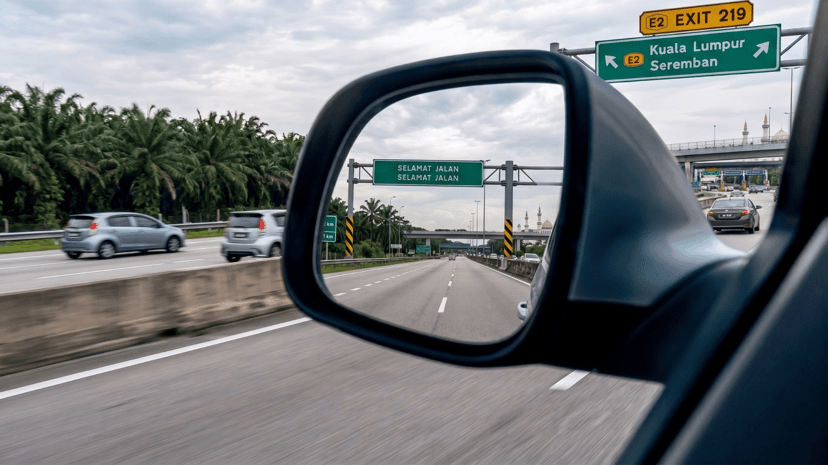
Motorcyclists account for the clear majority of road fatalities in Malaysia every year and much of that risk comes down to one simple problem: drivers often don't see riders in time. Motorcycle blind spots aren't a myth. They're a predictable, physics-based issue created by mirror angles, vehicle pillars, and a rider's small visual footprint on the road. This guide breaks down seven common riding situations where drivers are least likely to notice a motorcyclist, along with practical positioning habits that help reduce the risk in each one.
Key Takeaways
- Motorcycles occupy a much smaller visual profile than cars, making them easy to miss inside a driver's mirror blind zones, especially at junctions and during lane changes.
- Riders make up the clear majority of road fatalities in Malaysia relative to their share of registered vehicles.
- The most common blind-spot situations are: junction turns, lane changes, roundabouts, reversing vehicles, overtaking, large-vehicle blind zones, and low-light or rainy conditions.
- Keeping a buffer of space, riding with your headlight on, and avoiding lingering beside a vehicle's rear-quarter blind zone can meaningfully reduce collision risk.
- Reactive habits (only reacting once a driver moves) carry far more risk than proactive habits (positioning yourself to be seen before a driver has to look for you).
The seven blind spot situations
1. Junctions and T-junction turns
Turning vehicles are one of the highest-risk points for riders. A driver waiting to turn right or emerge from a side road is usually scanning for other cars first a motorcycle's narrow profile is easy to miss between the windscreen pillar and side mirror, especially if the rider is approaching quickly.
Ride defensively by covering your brake and making eye contact with drivers waiting to emerge, and avoid riding directly behind larger vehicles that block your visibility to the turning driver.
2. Lane changes on highways and expressways
Highway lane changes are where mirror blind zones do the most damage. Every vehicle has a wedge-shaped area behind and to the side that standard mirrors don't cover, and a motorcycle traveling at a similar or faster speed can sit inside that wedge for several seconds without the driver noticing.
Never linger beside a car's rear door for long either drop back or move through the blind zone quickly and predictably.
3. Roundabouts
Roundabouts require drivers to track multiple entry points at once, and motorcycles often get lost in the visual clutter. Riders approaching a roundabout are frequently overlooked by drivers focused on larger vehicles already circulating.
Position yourself in the most visible part of your lane and use your horn briefly if a driver appears to be entering without seeing you.
4. Vehicles reversing (parking lots, driveways, loading bays)
Reversing drivers rely on mirrors and rear cameras that are calibrated for car-sized objects, not motorcycles. A parked or slow-moving rider behind a reversing car or lorry is in one of the highest-risk blind zones on the road.
Avoid stopping directly behind any vehicle showing reverse lights, and give reversing trucks and vans in loading areas a wide berth.
5. Overtaking or filtering through traffic
When overtaking between lanes or filtering through slow traffic, riders enter the blind spot of every vehicle they pass. A driver who changes lanes without checking twice can collide with a rider they never saw approaching.
Filter at a speed you can safely react to, and assume every vehicle might change lanes without signaling.
6. Blind zones around buses, lorries and long-wheelbase vehicles
Large vehicles have significantly bigger blind zones than cars, often extending along both sides and directly behind. A rider sitting beside a bus or lorry's rear wheels is frequently completely invisible to the driver.
If you can't see the driver's mirrors, the driver likely can't see you this is one of the most reliable rules for riding near large vehicles.
7. Low-light, rain and glare conditions
Reduced visibility conditions shrink a driver's effective detection range for smaller vehicles. Rain, dusk, and glare from wet roads all make it harder for drivers to pick out a motorcycle's single headlight among reflections and other traffic.
Keep your headlight on at all times, even in daylight, and consider reflective gear for riding in overcast or rainy conditions, which are common during Malaysia's monsoon season.
6. Comparison table: Reactive riding vs. proactive riding
| Situation |
Reactive Habit (Old Way) | Proactive Habit (Safer Way) |
|---|---|---|
| Approaching a junction | Assume the waiting driver has seen you and maintain speed | Cover the brake, make eye contact, and be ready to slow down |
| Changing lanes on a highway | Check mirrors once, then change lanes | Mirror check, shoulder check, then a second mirror check before committing |
| Riding near a bus or lorry | Ride close behind for shelter from wind or rain | Stay back until you can see the driver's side mirror |
| Filtering through slow traffic | Filter at high speed relative to surrounding vehicles | Filter at a speed you can safely react to sudden lane changes |
| Riding in rain or low light | Rely on daytime visibility habits as usual | Keep headlight on at all times and add reflective gear |
Expert tip
Before changing lanes or overtaking, do a "check, then check again" glance at your mirror, do a quick shoulder check, then look once more just before committing. Blind-spot collisions often happen in the brief gap between a driver's mirror check and their actual lane change.
Common Mistake
Riding tucked directly behind a lorry or bus "for shelter" from wind or rain. This is one of the worst places to be if you can't see the driver's side mirror, they likely can't see you either, and sudden braking or turning from the large vehicle leaves you very little reaction time.
Conclusion
Motorcycle blind spots are predictable, physics-driven danger zones not bad luck. Riders who understand where drivers are least likely to see them, and who adjust their positioning accordingly, can meaningfully reduce their crash risk. For everything else on the road you can't fully control, having a reliable way to get help is worth having ready before you need it.
FAQs
1. What is a motorcycle blind spot?
A motorcycle blind spot is an area around a vehicle where the driver cannot see a motorcyclist, due to mirror angles, vehicle pillars, or the rider's small visual profile.
2. Which situations are most dangerous for motorcyclists?
Junction turns, lane changes, roundabouts, reversing vehicles, overtaking, large-vehicle blind zones, and low-visibility conditions are among the most common blind-spot situations riders face.
3. Why are motorcyclists overrepresented in road fatalities in Malaysia?
Motorcyclists have far less physical protection than car occupants, and their smaller size makes them harder for drivers to detect, especially inside blind zones.
4. Does riding with headlights on during the day help?
Yes, keeping your headlight on in daylight improves your visibility to drivers, particularly in overcast, rainy, or glare-heavy conditions.
5. Should I ride close behind large vehicles like buses or lorries?
No. Large vehicles have wide blind zones on their sides and rear; if you cannot see the driver's mirror, the driver likely cannot see you.
6. How can I reduce risk when filtering through traffic?
Filter at a speed you can safely react to, assume drivers may change lanes without signaling, and avoid lingering beside a vehicle's rear doors.
7. What should I do immediately after a blind-spot collision?
Move to safety if possible, check for injuries, document the scene, and contact roadside assistance as soon as you can.
8. Can reflective gear reduce blind spot risk?
Yes, reflective and high-visibility gear improves detection in low light, rain, and dusk conditions, when drivers' ability to spot motorcycles is reduced.
9. How can riders stay prepared for incidents caused by blind spots?
Keeping your vehicle documents accessible, knowing how to reach roadside assistance quickly, and having a trusted way to find a nearby workshop all help you respond calmly if a blind-spot collision does happen.
Riding defensively reduces your risk, but it can't eliminate it and if a blind-spot incident ever happens, having your documents in order makes a stressful moment easier to handle. The Motorist App helps you stay on top of road tax, insurance renewals, and traffic fines, all in one place download it today to keep your paperwork organised before you ever need it.
Read More: September 2026 Malaysia car discounts: Up to RM12k off
I want to find the highest selling price for my car within 24 hours!
Download the Motorist App now. Designed by drivers for drivers, this all-in-one app lets you receive the latest traffic updates, gives you access to live traffic cameras, and helps you manage vehicle related matters.