Is haze making your car run hotter? How to protect your radiator and AC
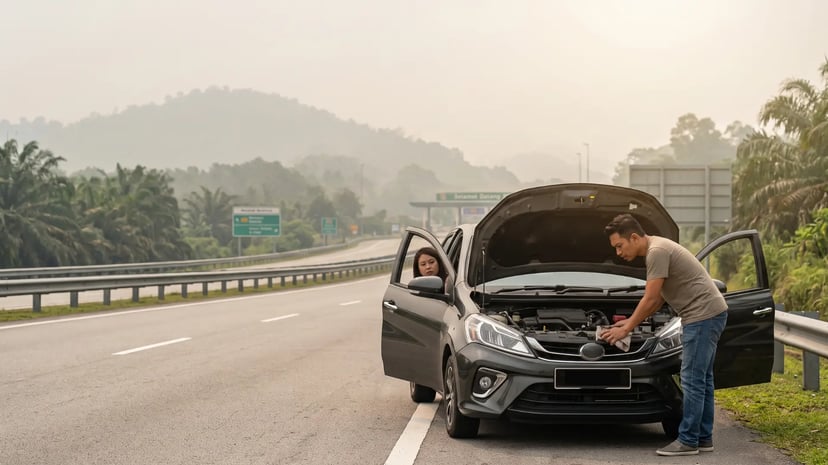
Haze can make your car run hotter in Malaysia because dirt on radiator fins blocks airflow, and haze clogs air filters and condensers faster, so keep fins clean, coolant right and filters fresh.
On 20 September 2026, 32 areas nationwide recorded unhealthy API readings, including Petaling Jaya at 151. If you are driving through that air, your car's cooling system is working through it too. This article explains what haze can do under your bonnet and what to do about it, as of 9 October 2026.
Key takeaways
- Dirt on radiator fins blocks airflow, and particles can block airflow through the AC condenser too.
- Haze and traffic pollution can clog cabin filters faster than expected.
- Never open the radiator cap on a hot engine, because boiling coolant can spray out and cause severe burns.
- If the engine overheats, turn off the AC and put the heater on maximum, then pull over safely.
- Check the API on APIMS and treat readings above 100 as your cue to inspect your car.
How haze can affect your radiator and AC
Clogged fins. The AC condenser sits in front of the radiator and also gets clogged. Haze is made up of fine particles measuring no more than 2.5 micrometres, so the same dusty air passes through both parts.
A condenser that traps heat. A blocked condenser can trap heat, which is why the aircon may feel cooler while moving but warmer in traffic.
Filters that clog faster. Weak vent airflow is often a dirty cabin filter rather than a broken aircon. Haze pollutants speed up filter clogging, so the engine air filter deserves attention as well.
Traffic adds risk. A cooling system that is overworked can overheat on a hot day stuck in traffic.
Know your API level: Malaysia's haze categories
API readings of 0 to 50 mean good air quality, 51 to 100 moderate, 101 to 200 unhealthy, 201 to 300 very unhealthy, and 301 and above hazardous. Readings are published on the Malaysian Air Pollutant Index Management System (APIMS) portal.
| API reading |
Category | Suggested car action |
|---|---|---|
| 0–50 | Good | Normal routine checks |
| 51–100 | Moderate | Glance at the coolant level and temperature gauge weekly |
| 101–200 | Unhealthy | Check fins and filters; watch the temperature gauge in traffic |
| 201–300 | Very unhealthy | Inspect the cooling system before long trips |
| 301+ | Hazardous | Avoid non-essential driving; service before your next long trip |
Warning signs of overheating
- Temperature gauge moving toward HOT, or a red overheating light on the dashboard
- Visible leaks from the radiator, hoses, water pump or heater core
- A cooling fan that doesn't run when the engine is hot
- Weak airflow from the vents, which may simply be a dirty cabin filter
Overheating can cause permanent engine damage, so treat these signs seriously.
6 steps to protect your radiator and AC during haze
1. Check coolant only when the engine is cold. Look at the reservoir's level marks. Opening the cap while hot can spray boiling coolant.
2. Use the correct coolant and mix. Follow the mixture guide, which is commonly 50/50 and sometimes 70/30. Your owner's manual has the exact type. Using ordinary water instead of coolant is a common cause of overheating.
3. Clean the fins gently. Let the fins cool, then rinse with a low-pressure garden hose, working from the engine side toward the front where possible. Never use a high-pressure washer, which easily bends the delicate fins. Clean the condenser as well as the radiator.
4. Check your filters early. A common rule of thumb is to replace the cabin filter every 10,000 to 15,000 km, and one Malaysian guide suggests checking it every 3 to 6 months. Haze justifies checking sooner, and your manual has the official interval.
5. Manage the AC in jams. If the engine overheats, turn off the aircon to reduce engine stress and turn the heater to maximum to help pull heat away.
6. Service the cooling system on schedule. Replace the thermostat and radiator cap during scheduled maintenance, since a worn cap can fail to hold pressure and let coolant boil sooner.
Haze-season dos and don'ts for your radiator and AC
| ✅ Do |
❌ Don't |
Why it matters |
|
|---|---|---|---|
| Coolant check | Check the level only when the engine is cold. | Don't open the radiator cap on a hot engine. | The cooling system is under high pressure, and boiling coolant can spray out and burn you. |
| Coolant type | Use the type and mix in your manual, commonly 50/50 or sometimes 70/30. | Don't rely on plain water. | Plain water instead of coolant is a common cause of overheating. |
| Cleaning the fins | Rinse gently with a low-pressure hose on cool fins, engine side toward the front. | Don't use a pressure washer, bleach or vinegar. | Vinegar and bleach can damage metal parts and rubber seals. High-pressure washers easily bend the fins. |
| Filters | Check the cabin and engine air filters earlier than usual. | Don't assume weak vents mean a broken AC. | The cause may just be a dirty cabin filter. |
| In a jam | If the gauge climbs, switch off the AC and run the heater at maximum. | Don't keep sitting with the AC on while the gauge rises. | Turning off the aircon reduces engine stress. |
| If it overheats | Pull over, switch off the engine and wait at least 30 minutes. | Don't open the bonnet or cap straight away. | The 30-minute wait helps avoid burns from escaping steam and boiling coolant. |
| Cabin air | Check whether your car has a dedicated PM2.5 filter. | Don't assume your AC filters PM2.5. | Most cars' air-conditioning systems don't filter PM2.5 pollutants. |
| Servicing | Replace the thermostat and radiator cap during scheduled maintenance. | Don't wait for the gauge to reach HOT. | A worn cap can make coolant boil sooner. |
Expert tip
Rinse from the engine side toward the front. Rinsing this way helps push debris out the same direction it entered. If you use a soft brush, brush in the direction of the fins to avoid bending them. Check your owner's manual first, and keep water away from electrical connectors.
Common mistake
Opening the radiator cap on a hot engine. When the gauge spikes, the instinct is to check the coolant. The system is under high pressure, and opening the cap can spray boiling coolant and cause severe burns. Wait at least 30 minutes.
What to do if your engine overheats
- Turn off the air conditioner and turn the heater to maximum.
- Pull over safely and switch off the engine.
- Wait at least 30 minutes before opening the bonnet.
- Check for visible leaks and whether the radiator fan runs when the engine is hot.
- If you are on a busy road or the problem returns, call for a tow.
Conclusion
Haze is temporary, but overheating can cause permanent engine damage. Clean fins, correct coolant and fresh filters are your best defence. Keep an eye on your temperature gauge, and visit a trusted workshop if anything feels wrong.
FAQs
1. Can haze damage my car's radiator?
Haze isn't shown to damage a radiator directly, but its fine particles can add to dirt on the fins. Dirt on the fins blocks airflow, which reduces cooling.
2. Can haze make a car overheat?
It can contribute indirectly. Blocked fins and clogged filters reduce cooling efficiency, and an overworked cooling system can overheat on a hot day stuck in traffic.
3. How do I clean my radiator fins safely?
Let the fins cool, then rinse gently with a low-pressure hose from the engine side toward the front. Never use a pressure washer.
4. Does my car's AC filter out haze?
Most cars' air-conditioning systems don't filter PM2.5 pollutants. Check your manual to see whether your car has a dedicated filter.
5. How often should I replace my cabin filter?
A common rule of thumb is every 10,000 to 15,000 km. Check sooner during haze, and follow your manual.
6. Can I top up my radiator with plain water?
Using plain water instead of coolant is a common cause of overheating. Use the coolant type and mix your manual specifies.
7. What are the signs of an overheating engine?
The temperature gauge moves toward HOT or a red warning light appears. You may also see leaks from the radiator or hoses, or a fan that doesn't run when hot.
8. What should I do if my engine overheats in a haze-related jam?
Turn off the AC and run the heater at maximum, then pull over and switch off. Wait at least 30 minutes before opening the bonnet.
9. How do I check today's haze level?
Use the APIMS portal. Readings from 101 to 200 are unhealthy.
Don’t let a missed renewal or an unpaid saman add to your haze-season stress: download the Motorist App to get road tax and insurance reminders, pay your traffic saman in the app, and get help selling your car if repairs don’t add up.
Read More: Car insurance 2026: renew and estimate costs
I want to find the highest selling price for my car within 24 hours!
Download the Motorist App now. Designed by drivers for drivers, this all-in-one app lets you receive the latest traffic updates, gives you access to live traffic cameras, and helps you manage vehicle related matters.