RON95 petrol contamination: 7 Selangor stations probed
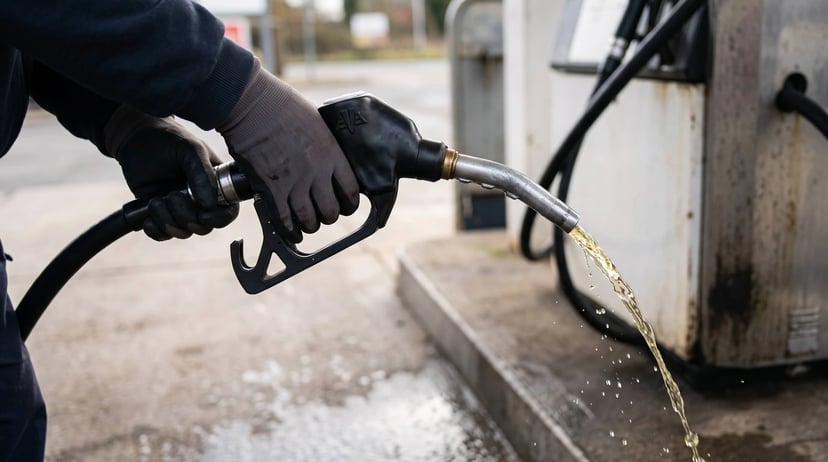
KPDN investigates seven Selangor petrol stations over suspected RON95 contamination
RON95 petrol suspected of being contaminated with water has prompted an investigation into seven petrol stations in Selangor, following 10 official complaints from motorists. On 16 October 2026, the Ministry of Domestic Trade and Cost of Living (KPDN) seized 27 petrol samples for laboratory analysis after reports of vehicle damage following refuelling.
The complaints involved engine problems ranging from jerking and loss of power to engines failing to start. Some vehicles reportedly suffered more serious damage, prompting authorities to investigate whether water contamination was responsible.
For Malaysian motorists, the incident is a reminder that keeping a petrol receipt and documenting unusual vehicle behaviour can be crucial when investigating suspected fuel-related damage. The Motorist App can also help motorists stay organised with their wider car ownership needs.
Key takeaways
Seven petrol stations in Selangor are under investigation following 10 official complaints about suspected water-contaminated RON95 petrol.
KPDN seized 27 samples on 16 October 2026 and sent them for laboratory analysis by the Chemistry Department of Malaysia.
Reported symptoms include engine jerking, loss of power, failure to start, abnormal noises and, in some cases, burnt engine valves.
Initial licence checks were satisfactory: all seven stations reportedly held valid licences, but this does not establish whether their fuel was contaminated.
Affected motorists should keep evidence, including official petrol receipts and workshop inspection reports, to support complaints and investigations.
What happened in the RON95 petrol contamination investigation?
The investigation began after motorists reported vehicle problems following refuelling. KPDN Selangor conducted enforcement inspections at seven petrol stations on 16 October 2026 in response to public complaints and reports circulating on social media.
According to the ministry's statement reported on 17 October 2026, it had received 10 official complaints involving the seven premises. Officers seized 27 samples of RON95 petrol from the affected pumps for laboratory testing.
The results are not yet established by the sampling alone. The samples were sent to the Chemistry Department of Malaysia for analysis to determine whether the petrol was contaminated. Until the findings are available, motorists should distinguish between reported allegations and confirmed laboratory results.
Key details of the investigation
| Detail | Information |
|---|---|
| Investigating authority | KPDN Selangor |
| Location | Selangor, Malaysia |
| Petrol involved | RON95 |
| Petrol stations investigated | 7 |
| Official complaints | 10 |
| Samples seized | 27 |
| Inspection date | 16 October 2026 |
| Report date | 17 October 2026 |
| Laboratory | Chemistry Department of Malaysia |
What symptoms can contaminated petrol cause in a car?
Suspected fuel contamination may be accompanied by noticeable changes in engine performance. In the Selangor complaints, motorists reported several problems after refuelling, although these symptoms can also have other mechanical causes.
The reported issues included:
Engine jerking: The vehicle may hesitate, vibrate or struggle to accelerate smoothly.
Loss of power: The engine may feel unusually weak, particularly when accelerating.
Difficulty starting: The engine may crank without starting or fail to start altogether.
Abnormal engine noises: New or unusual sounds may indicate an underlying mechanical problem.
Serious engine damage: Some reported cases involved burnt engine valves.
Do not assume every engine problem is caused by petrol. Ignition faults, fuel-system issues and other mechanical defects can produce similar symptoms. A qualified workshop should inspect the vehicle to determine the likely cause.
What should you do if your car develops problems after refuelling?
Stop driving if the symptoms are severe. If the engine loses substantial power, repeatedly stalls or makes alarming noises, pull over somewhere safe and switch off the engine when safe to do so. Arrange professional assistance rather than continuing to drive and risking further damage.
Keep the evidence. Retain the petrol receipt and record the date, approximate time, amount purchased and station location. Ask the workshop to document its findings, including any tests or inspections relevant to suspected fuel contamination.
Report the incident. Contact KPDN to ask how to submit a complaint and provide supporting documents. These records can help investigators assess whether the incident is linked to a particular fuel purchase.
What is KPDN doing to investigate the suspected contamination?
KPDN is collecting evidence and examining possible violations of consumer protection laws. The ministry said all seven stations initially inspected had valid Controlled Scheduled Articles (CSA) licences and licences under the Petroleum Development Act 1974. However, valid licences do not prove that the fuel supplied was free from contamination.
The operators were issued notices under Section 32 of the Trade Descriptions Act 2011, requiring them to submit business information and relevant documents. Investigators are examining possible offences involving alleged false trade descriptions relating to the petrol supplied.
The next important step is the laboratory analysis. The findings will help establish whether the sampled petrol was contaminated and inform any further enforcement action. KPDN has also reminded oil companies and petrol station operators to maintain underground storage tanks regularly and comply with applicable safety and quality standards.
How can motorists protect themselves after filling up?
A few practical precautions can make it easier to respond to suspected fuel-related problems. Motorists cannot determine petrol quality simply by looking at the pump, but they can keep clear records and act promptly if their vehicles behave unusually.
Keep every petrol receipt. Make sure the date, transaction amount and station details are legible.
Record changes in vehicle performance. Note when the symptoms began and how soon they appeared after refuelling.
Seek a professional inspection. Ask the workshop to record its findings and whether the symptoms could be consistent with fuel contamination.
Avoid repeatedly restarting a faulty engine. If the vehicle will not start or runs abnormally, seek professional advice before attempting to drive it again.
Submit a formal complaint. Provide KPDN with the receipt, workshop report and other relevant evidence.
Motorist tip: Take a photo of your petrol receipt immediately after refuelling, especially if the printed details might fade. Keep the photo alongside your workshop report so you can retrieve both records quickly if a problem develops later.
Old way vs. Motorist App: keeping your car ownership organised
Keeping your vehicle records in one place is more practical than relying entirely on paper receipts and memory. The Motorist App supports motorists with car ownership-related services, including vehicle valuation and other available tools. It should not, however, be treated as a fuel-quality testing service or an official channel for KPDN complaints.
| Car ownership task | Traditional approach | Using the Motorist App |
|---|---|---|
| Vehicle valuation | Search manually across multiple sources | Access vehicle valuation services |
| Car ownership information | Keep separate notes and documents | Use available app services to manage relevant car ownership needs |
| Suspected fuel contamination | Keep receipts and workshop reports manually | Use the app for relevant car ownership needs while retaining evidence separately |
| Official complaint | Contact the relevant authority directly | Contact KPDN through its official complaint channels |
Note: The Motorist App does not replace petrol receipts, workshop inspection reports, laboratory testing or official KPDN investigations. Confirm the availability of individual services in the app.
Expert tip
Keep proof of every petrol purchase.
Take a photo of your petrol receipt immediately after refuelling, especially if the printed details may fade. If your car develops engine problems afterwards, keep the receipt alongside your workshop inspection report to help support a complaint to KPDN.
Common mistake: assuming a viral post proves which petrol station is responsible
Do not treat social media allegations as confirmed findings. Even when several motorists report similar problems, the cause must be investigated and supported by appropriate evidence.
In this case, KPDN collected samples from seven stations, but the laboratory analysis is an essential part of establishing whether contamination occurred. Avoid accusing a particular station based solely on unverified posts, and keep your own receipts and inspection records if your vehicle is affected.
Conclusion
KPDN's investigation into seven Selangor petrol stations highlights the importance of fuel quality and proper vehicle maintenance. Until laboratory findings establish the cause, motorists should monitor unusual engine behaviour, retain petrol receipts and seek professional inspections when necessary.
FAQs
1. How many petrol stations in Selangor are being investigated?
KPDN Selangor is investigating seven petrol stations following 10 official complaints about suspected water contamination in RON95 petrol.
2. How many RON95 petrol samples did KPDN seize?
KPDN seized 27 samples of RON95 petrol on 16 October 2026 and sent them to the Chemistry Department of Malaysia for laboratory analysis.
3. What are the symptoms of suspected contaminated petrol?
Possible warning signs include engine jerking, loss of power, abnormal noises and difficulty starting. These symptoms can have other causes, so professional inspection is necessary.
4. Can water in petrol damage a car engine?
Yes. Water contamination can interfere with fuel delivery and combustion, potentially causing engine performance problems and damage. The extent depends on the amount of water, the vehicle and the circumstances.
5. Have the seven Selangor petrol stations been confirmed to sell contaminated fuel?
Not based on the reported sampling alone. KPDN collected samples for laboratory analysis, and the findings are needed to establish whether the petrol was contaminated.
6. What should I do if my car breaks down after refuelling?
Stop driving if the vehicle is unsafe to operate, arrange a professional inspection and retain your petrol receipt. Ask the workshop for a written inspection report to support any complaint.
7. Can I claim compensation if contaminated petrol damages my car?
Compensation is not automatic. Keep your receipts, inspection reports and repair invoices, then seek advice from the relevant authorities or a qualified legal adviser about your options and the evidence required.
8. How can I report suspected contaminated petrol in Malaysia?
You can contact KPDN through its official complaint channels. KPDN Selangor has also provided the following contact details for complaints about petrol quality:
WhatsApp: 019-848 8000
Toll-free hotline: 1-800-886-800
Email: [email protected]
Mobile application: Ez ADU KPDN
Include the petrol receipt, station details and workshop inspection report where available.
9. Does the Motorist App detect contaminated petrol?
No. The Motorist App should not be treated as a fuel-quality monitoring or testing tool. Suspected contamination should be assessed by qualified professionals and reported to KPDN.
10. Should I continue driving if my engine starts jerking after refuelling?
Not if the symptoms are severe or the vehicle is unsafe to operate. Pull over safely, switch off the engine when appropriate and arrange professional assistance rather than risking further damage.
Keep your car ownership organised with Motorist app
Read More: Is it illegal to drive barefoot in Malaysia? Fact or fiction?
I want to find the highest selling price for my car within 24 hours!
Download the Aplikasi Motorist now. Designed by drivers for drivers, this all-in-one app lets you receive the latest traffic updates, gives you access to live traffic cameras, and helps you manage vehicle related matters.


