Fact or Fiction: Does Revving Your Engine Before Switching It Off Help Your Car?
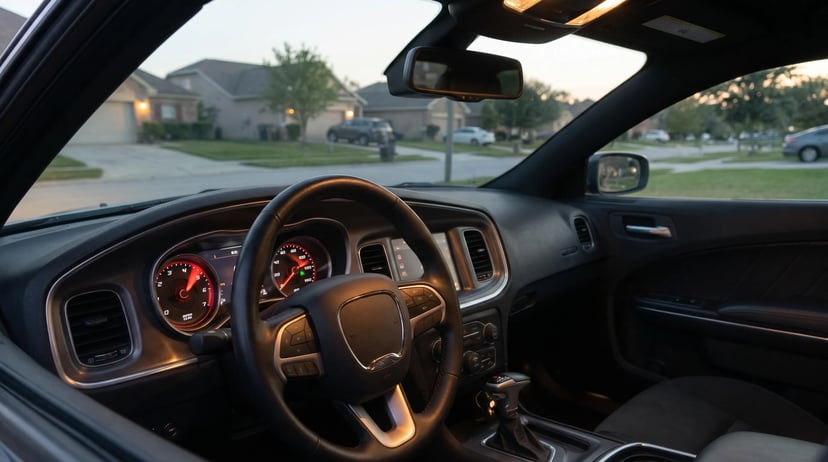
Revving your engine before switching it off does not normally help your car. For most modern vehicles, especially after ordinary driving, simply switching the engine off is enough. However, some turbocharged engines may require a short idle after sustained high-load driving, depending on the manufacturer’s instructions.
Table of Contents
The verdict: Fiction
Revving the engine before turning it off is an old habit that does not provide a meaningful benefit to most modern cars. Raising the engine speed immediately before shutdown does not give the engine a special cooling or lubrication advantage.
Modern engines are designed to manage their operating conditions without drivers deliberately blipping the accelerator before switching them off. Unnecessary revving can also consume additional fuel and creates extra mechanical load without a clear benefit.
Motorist Malaysia has previously highlighted that unnecessary engine revving is generally not a good habit, particularly when the engine is not properly warmed up.
Why do some drivers rev before switching off?
The habit comes partly from older driving practices and the idea that increasing engine speed before shutdown will somehow clear the engine or prepare it for the next start.
Another reason is the belief that revving helps circulate oil or cool the engine. While engine oil circulation is important during operation, deliberately raising the revs just before switching off is not normally necessary for a modern vehicle.
The correct procedure is generally much simpler: allow the vehicle to settle at idle, then switch it off according to the normal procedure in the owner's manual.
What happens when you rev before switching off?
When you press the accelerator, the engine speed rises and the engine produces more power than it does at idle. If you immediately switch the engine off, that additional engine speed has not provided a useful warm-down period.
Repeatedly revving an engine for no reason also means using fuel unnecessarily. There is therefore little reason for a driver to make this part of their normal shutdown routine.
This is particularly important to distinguish from allowing an engine to idle briefly after certain demanding driving conditions. Idling and revving are not the same thing.
When should you let the engine idle?
Turbocharged engines are the main exception worth knowing about. After sustained high-load driving, some manufacturers recommend allowing the engine to idle briefly before switching it off to help protect the turbocharger.
For example, Toyota's owner's manual for the NX350 recommends approximately one minute of idling after high-load situations such as continuous steep mountain driving, racetrack driving or towing. The same manual states that idling is not necessary after normal city driving or normal high-speed driving at the legal or recommended highway speed limit.
This does not mean drivers should rev the engine. If your owner's manual specifies a cool-down period, the appropriate action is to let the engine idle for the recommended period rather than repeatedly pressing the accelerator.
Expert tip: If you drive a turbocharged car, check the owner's manual for its specific shutdown instructions. Manufacturer guidance takes priority because recommended cool-down procedures can differ between engines.
What should you do after normal driving?
After ordinary city driving, commuting or normal highway driving, there is usually no need to rev the engine or deliberately leave it idling before switching it off.
Once you have parked safely, put the transmission in the correct position, apply the parking brake where appropriate and follow your vehicle's normal shutdown procedure.
If your vehicle has a turbocharger, do not assume that every journey requires a lengthy idle period. Manufacturer guidance may specifically state that normal driving does not require additional idling.
Common mistake: Revving the engine because you believe higher RPM will cool it down faster. If your car requires a cool-down period after heavy use, follow the manufacturer's recommended idle procedure instead of increasing the engine speed.
Does revving before switching off clean the engine?
No. There is no general reason to rev a modern engine before shutdown to "clean" it. Engine cleanliness and deposits are affected by factors such as engine design, maintenance, fuel, operating conditions and servicing rather than a final burst of accelerator input.
If you are experiencing rough idling, unusual noises, warning lights or other engine problems, revving the engine before switching it off is not a substitute for proper diagnosis.
Frequently Asked Questions
1. Is revving your car before switching it off good for the engine?
No. For most modern cars, revving before shutdown provides no meaningful benefit and is unnecessary after normal driving.
2. Should I rev my car before turning off the engine?
No. Unless your vehicle manufacturer's instructions specifically say otherwise, you can switch the engine off normally after parking.
3. Does revving cool the engine before shutdown?
No. Revving increases engine speed and does not serve as a general cooling procedure. If a turbocharged engine requires a cool-down period, idling is normally the relevant procedure.
4. Do turbocharged cars need to idle before being switched off?
Some may require brief idling after sustained high-load driving, but the requirement depends on the specific engine and manufacturer's instructions.
5. How long should I let a turbocharged car idle before switching it off?
There is no universal time for every turbocharged car. Follow the owner's manual because the recommended period depends on the vehicle and driving conditions.
6. Do I need to idle my car after normal highway driving?
Not necessarily. Some manufacturer manuals specifically state that additional idling is unnecessary after normal high-speed driving within recommended limits.
7. Does revving before shutdown improve the next engine start?
No. Modern engine management systems are designed to control starting and engine operation without requiring the driver to rev the engine before shutdown.
8. Can revving before switching off damage my car?
An occasional brief rev is unlikely to cause immediate damage in a properly functioning engine, but making unnecessary high-RPM revving part of your routine provides no clear benefit and adds unnecessary engine load.
9. Should I rev my engine to warm it up before driving?
No. Avoid aggressively revving a cold engine. Follow the vehicle manufacturer's instructions and drive appropriately while the engine reaches normal operating conditions.
10. What is the best way to protect my engine?
Follow the owner's manual, keep up with scheduled maintenance, use the specified fluids and respond promptly to warning lights or unusual engine behaviour.
Conclusion
Revving your engine before switching it off is mostly a leftover driving habit rather than a useful maintenance technique. For normal driving, there is generally no need to raise the RPM before shutdown. If you drive a turbocharged vehicle, check the owner's manual for any specific cool-down instructions after sustained heavy use.
For Malaysian drivers, the simple rule is this: don't rev just because you think your car needs it. Park safely, follow the manufacturer's shutdown procedure and let the car's systems do the work they were designed to do.
Read More: Myth or Fact? Common Misconceptions About Cars
Thinking of selling your car? Get a better idea of your car's value and make your next move with Motorist.
Download the Motorist App now. Designed by drivers for drivers, this all-in-one app lets you receive the latest traffic updates, access live traffic cameras, and manage vehicle-related matters.


