Sell car online in Malaysia safely 2027
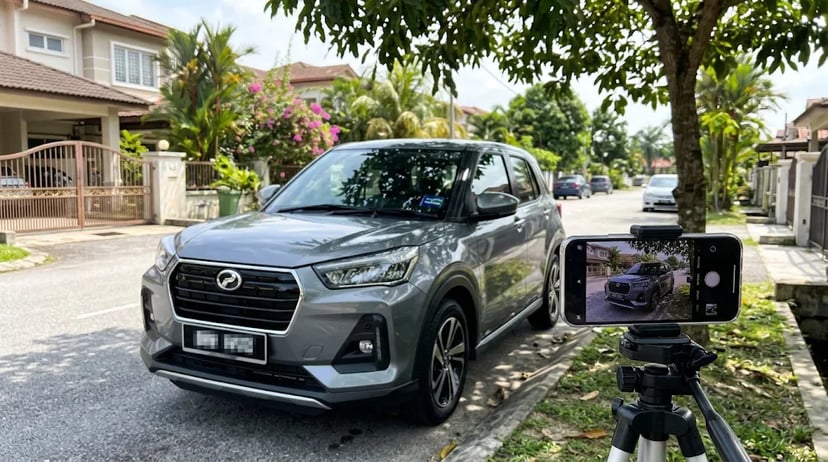
To sell your car online in Malaysia safely in 2027, check its market value, screen buyers, verify payment in your own bank account and complete the ownership transfer through the proper JPJ process. Requirements and fees can change, so confirm the latest details with JPJ and PUSPAKOM before completing your sale.
Table of Contents
1. Prepare your car and set a realistic price
2. Create a clear and honest listing
3. Screen buyers and arrange safe viewings
4. Confirm payment before handing over the car
5. Complete the inspection and ownership transfer
Key takeaways
- Compare similar cars by model, year, mileage and condition before setting your asking price.
- Do not share one-time passwords, banking login details or full identity documents with a prospective buyer.
- Check that payment has cleared in your own bank account before releasing the keys or vehicle.
- PUSPAKOM currently lists a mandatory Transfer of Ownership Inspection for private vehicles at RM30; check its latest fee and booking information before arranging it.
- JPJ says eligible private individual and private company vehicles without permits can use its online ownership-transfer service. Some cases require a counter visit.
1. Prepare your car and set a realistic price
Before you sell your car online, gather its registration details, service records, loan information and any repair or accident history. A complete and accurate description can help build buyer confidence and reduce disagreements later.
Compare listings for cars with a similar make, model, year, variant, mileage and condition. Asking prices are not always final sale prices, so use them as a guide rather than a guarantee of what your car will sell for. Be clear about outstanding hire-purchase financing and contact your bank to confirm the settlement process if the loan is not fully paid.
Clean the vehicle and take current photos in good lighting. Show the exterior, interior, odometer and any visible damage. Do not hide defects or use photos that make the car appear to be in a different condition.
2. Create a clear and honest listing
Include the vehicle’s make, model, year, variant, mileage, general condition, service history and asking price. State whether the price is negotiable and disclose known issues that could affect a buyer’s decision.
Use a secure marketplace or a reputable car-selling service. Be cautious of anyone who asks you to pay an unexpected upfront fee to “release” a buyer, process a transfer or guarantee a sale. Verify the platform or service through its official website or contact details before sharing documents.
For your public listing, avoid posting images of your full Vehicle Ownership Certificate (VOC), identity card, bank documents or other paperwork containing sensitive information. Share necessary documents only through a verified process when required to complete the transaction.
3. Screen buyers and arrange safe viewings
Ask prospective buyers clear questions about when they want to view the car and how they plan to pay. Be wary of buyers who offer more than your asking price, ask you to refund an “overpayment”, send suspicious payment screenshots or pressure you to act before you can verify the transaction.
Arrange viewings in a well-lit public place during the day. Tell someone where you are going, and consider bringing another person. Check the prospective buyer’s driving licence before a test drive, accompany them and keep your own phone, keys and personal belongings with you.
Expert tip: Keep a written record of the agreed price, deposit (if any), payment method, vehicle condition and expected handover date. Make sure both sides understand the terms before accepting money.
4. Confirm payment before handing over the car
Check the payment directly in your bank’s official app or website, using contact details you already trust. A transfer receipt, email, SMS or screenshot is not proof that the funds have cleared. Do not click a buyer’s banking link or share an OTP, TAC, PIN or password to “receive” payment.
Do not refund an alleged excess payment until your bank confirms the funds are cleared and genuine. If a buyer insists on using a cheque, third-party account or unfamiliar payment arrangement, pause the sale and verify the details with your bank.
Common mistake: Handing over the car after seeing a payment screenshot. Confirm the money has arrived and cleared in your own account first.
5. Complete the inspection and ownership transfer
For a private vehicle, check the current PUSPAKOM requirements before the sale. PUSPAKOM lists a Transfer of Ownership Inspection, currently identified as MV15, as mandatory before ownership transfer. Its published fee is RM30, and the required document listed is the original vehicle registration card or VOC. Confirm the latest fee, appointment process and document requirements on the PUSPAKOM inspection and fees page.
JPJ provides an online transfer process for eligible private individual and private company vehicles without permits. JPJ says foreign citizens cannot complete this transaction online and must attend a JPJ counter. Check the JPJ vehicle FAQ to confirm whether your situation qualifies.
Follow the official JPJ instructions for the registered owner and the JPJ instructions for the new owner. If the online service does not apply, consult JPJ’s voluntary ownership-transfer guide or contact JPJ for the correct process.
Do not assume that an online listing, deposit or signed sale agreement changes the registered owner. Keep evidence of the completed transfer and verify that the transaction has been processed before considering the sale fully closed.
6. Close the sale and protect your information
At handover, give the buyer only the documents and items needed for the vehicle and transfer. Remove your belongings, personal data from the infotainment system, paired phones, saved home or work addresses, toll tags and parking access devices.
Contact your insurer to ask how to end or adjust your policy after the sale, and check whether any road-tax or other vehicle-related arrangements need attention. Keep copies of the sale agreement, payment confirmation, transfer confirmation and relevant correspondence.
Conclusion
A safe online car sale depends on careful buyer checks, verified payment and a properly completed ownership transfer. Prepare an honest listing, use official JPJ and PUSPAKOM guidance for the current requirements, and keep records of every important step.
To find out how Motorist can help you sell your car in Malaysia, view the Motorist car-selling service.
Guidance checked on 16 November 2026. Because this article is for 2027, confirm fees, platform procedures and JPJ or PUSPAKOM requirements again when you are ready to sell.
Frequently Asked Questions
1. How do I sell my car online in Malaysia safely?
Use a reputable platform, describe the car honestly, screen buyers, meet in a public place, verify payment in your own bank account and complete the official ownership-transfer process.
2. Can I transfer car ownership online in Malaysia?
JPJ says online transfer is available for eligible private individual and private company vehicles without permits. Foreign citizens cannot use this online transfer and must attend a JPJ counter. Check JPJ’s latest conditions before starting.
3. Is a PUSPAKOM inspection needed when selling a private car?
PUSPAKOM currently lists a Transfer of Ownership Inspection as mandatory for private vehicles before ownership transfer. Confirm the latest requirements and fee directly with PUSPAKOM.
4. How much is the PUSPAKOM ownership-transfer inspection?
PUSPAKOM currently lists the Transfer of Ownership Inspection fee as RM30. Fees can change, so check its official fee page before booking.
5. Should I hand over my car after receiving a payment screenshot?
No. A screenshot or receipt does not confirm that funds have cleared. Check your own bank account through its official app or website before handing over the vehicle.
6. What should I do if a buyer overpays me?
Do not send a refund based only on a screenshot or message. Ask your bank to verify that the payment is cleared and genuine before taking any action.
7. Can I sell a car that still has an outstanding loan?
You may be able to sell it, but contact your financing bank first to confirm the settlement amount and required process. Do not promise a transfer date until you understand how the outstanding financing will be handled.
8. What documents should I prepare to sell my car?
Prepare the vehicle ownership and service records, identification for the official process, and any documents requested by JPJ, PUSPAKOM or your financing bank. Do not post full identity or ownership documents in a public listing.
9. Is it safe to let a buyer test-drive my car?
Meet in a public place, check that the person has a valid driving licence, accompany them and keep your keys and valuables secure. Do not leave the buyer alone with the car.
10. What should I do after the ownership transfer?
Keep proof of the completed transfer and payment, remove your personal data and devices from the car, and contact your insurer about the policy after the sale.
Read More: How to Avoid Scams When Selling Your Car Online
I want to find the highest selling price for my car within 24 hours!
Download the Motorist App now. Designed by drivers for drivers, this all-in-one app lets you receive the latest traffic updates, access live traffic cameras, and manage vehicle-related matters.


