Driving habits that are secretly wasting your fuel
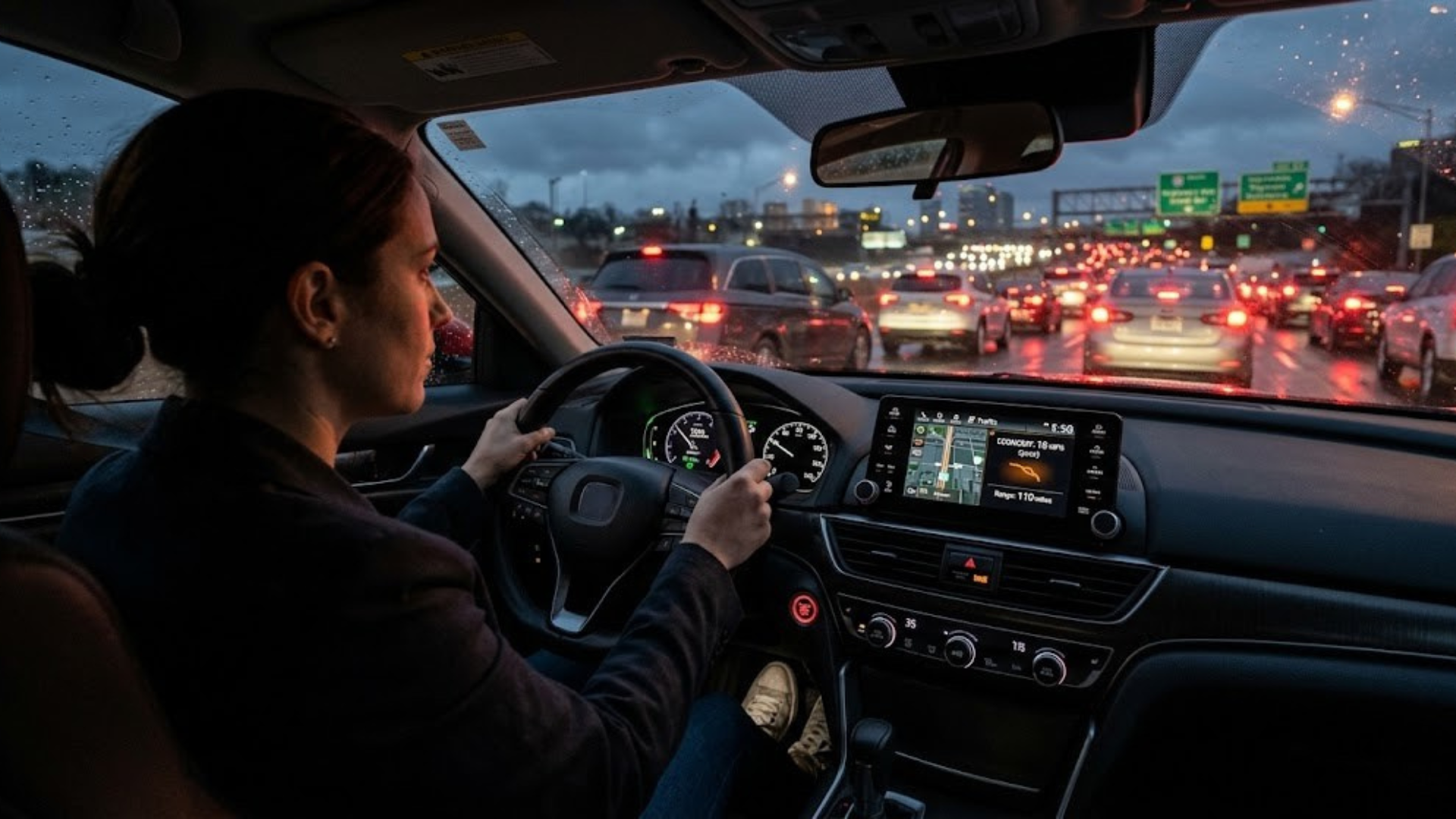
Fuel prices in Malaysia have become an increasing concern for everyday motorists. While many drivers focus on external factors like traffic and petrol costs, the truth is that small, everyday driving habits often have a bigger impact on fuel consumption than expected. Understanding these hidden fuel-wasting behaviours is essential for improving efficiency, reducing expenses, and making smarter decisions behind the wheel.
Aggressive acceleration and hard breaking
One of the most common habits that quietly drains fuel is aggressive driving. Rapid acceleration and sudden braking force the engine to work harder, consuming significantly more petrol than necessary. In urban areas like Kuala Lumpur and Petaling Jaya, where stop-and-go traffic is common, this habit can quickly increase fuel usage.
Driving smoothly by gradually pressing the accelerator and anticipating traffic flow can make a noticeable difference. Maintaining a steady speed not only reduces fuel consumption but also improves overall driving safety. Over time, this simple adjustment can lead to meaningful savings.
Excessive idling in traffic
Many Malaysian drivers leave their engines running while waiting in traffic, at drive-thrus, or even when parked briefly. While it may seem harmless, excessive idling wastes fuel without moving the vehicle at all. Modern engines do not require long warm-up periods, especially in Malaysia’s warm climate.
Turning off the engine when waiting for extended periods can help conserve fuel. Even short durations of idling, when repeated daily, add up to a significant amount of wasted petrol over time.
Poor route planning and traffic ignorance
Another overlooked factor is inefficient route planning. Taking longer routes, getting stuck in heavy congestion, or failing to anticipate peak traffic hours can increase fuel consumption unnecessarily. Time spent in traffic often means more idling and inconsistent speeds, both of which reduce fuel efficiency.
Planning journeys ahead of time and using navigation tools to avoid congestion can significantly improve fuel economy. Choosing smoother routes with consistent traffic flow is often more efficient than simply taking the shortest path.
Driving at inconsistent speeds
Constantly speeding up and slowing down is another hidden fuel waster. Maintaining a consistent speed allows the engine to operate more efficiently. On highways, fluctuating speeds increase fuel consumption and reduce overall mileage.
Using cruise control where possible or simply being mindful of speed consistency can help drivers optimise fuel usage. Keeping a steady pace reduces strain on the engine and improves long-term efficiency.
Overloading your vehicle
Carrying unnecessary weight in your vehicle is another factor many drivers overlook. Extra load forces the engine to work harder, leading to increased fuel consumption. Items left in the boot or unused equipment can gradually impact efficiency without drivers realizing it.
Keeping the vehicle light by removing unnecessary items can improve fuel economy. While the impact may seem small initially, it becomes more noticeable over longer distances and frequent drives.
Poor vehicle maintenance
Fuel efficiency is not only about driving habits but also about how well the vehicle is maintained. Underinflated tyres, dirty air filters, and overdue servicing can all contribute to higher fuel consumption. When a car is not in optimal condition, it requires more energy to perform, which directly affects petrol usage.
Regular servicing ensures that the engine runs smoothly and efficiently. Checking tyre pressure and replacing worn components can go a long way in reducing fuel waste and maintaining consistent performance.
Overuse of air conditioning
In Malaysia’s hot and humid climate, air conditioning is often used at maximum levels. While it provides comfort, excessive use can increase fuel consumption, especially during city driving. The air conditioning system places additional load on the engine, causing it to burn more fuel.
Using air conditioning wisely by adjusting it to moderate levels and ensuring proper ventilation can help balance comfort and efficiency. Small adjustments in usage can contribute to noticeable fuel savings over time.
Short trips and frequent stops
Frequent short trips can be less fuel-efficient than longer, continuous drives. Engines consume more fuel during the initial start and warm-up phase. Repeated short journeys prevent the engine from reaching optimal efficiency, leading to higher overall consumption.
Combining errands into a single trip and planning journeys more effectively can help reduce unnecessary fuel usage. This approach not only saves petrol but also reduces wear and tear on the vehicle.
Why these habits matter more today
With rising fuel prices and increasing daily travel demands, these small habits collectively have a significant financial impact. Many drivers underestimate how much fuel is wasted through routine behaviours, but even minor improvements can lead to substantial savings over time.
Adopting smarter driving practices not only benefits your wallet but also contributes to a more sustainable environment. Reduced fuel consumption means lower emissions, making it a responsible choice for both individuals and the community.
Fuel efficiency is not just about the car you drive but how you drive it. By recognising and correcting these common habits, Malaysian motorists can take control of their fuel consumption. Simple changes such as smoother acceleration, better planning, and regular maintenance can make every journey more economical and efficient.
Frequently asked questions [FAQ]
1. What is the biggest fuel-wasting habit among drivers?
Aggressive acceleration and braking are among the biggest contributors to fuel waste because they force the engine to consume more petrol unnecessarily.
2. Does idling really waste a lot of fuel?
Yes, idling consumes fuel without moving the vehicle. Over time, frequent idling can significantly increase overall fuel consumption.
3. Can route planning really save petrol?
Efficient route planning helps avoid heavy traffic and reduces idle time, leading to better fuel efficiency and shorter travel times.
4. How does vehicle maintenance affect fuel consumption?
Poor maintenance such as low tyre pressure or dirty filters reduces engine efficiency, causing the car to use more fuel than necessary.
5. Is using air conditioning bad for fuel economy?
Excessive air conditioning increases engine load and fuel consumption, but moderate use can balance comfort and efficiency.
Take control of your driving costs with smarter habits and better tools.
With Motorist Malaysia, you can track your vehicle, manage servicing, and get expert insights to improve fuel efficiency. Download the Motorist App today and make every journey more economical.
Read More: Fuel prices spike: RON97 +70 sen, Diesel RM4.72
Download the Motorist App now. Designed by drivers for drivers, this all-in-one app lets you receive the latest traffic updates, gives you access to live traffic cameras, and helps you manage vehicle related matters.