Malaysia moves to restrict foreign cards for RON95 fuel purchases
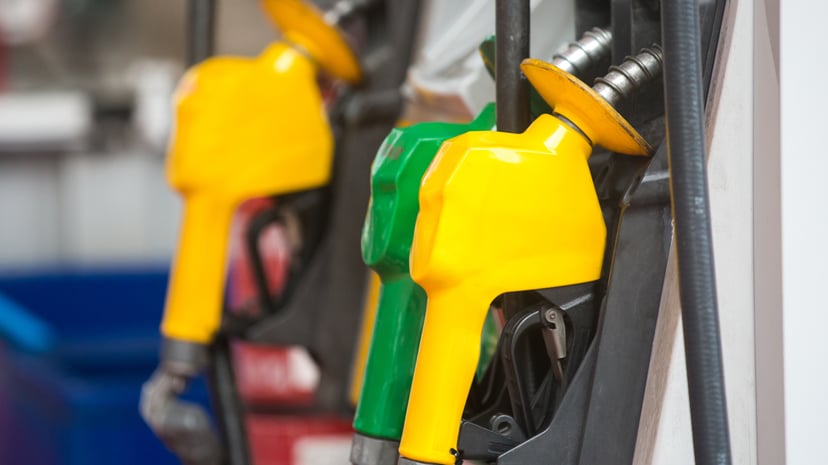
Malaysia is taking a firm step to protect its fuel subsidy system by proposing to bar foreign debit and credit cards from being used for RON95 petrol purchases. This move aims to curb long-standing concerns over subsidy misuse, particularly by non-citizens who are not entitled to benefit from government-supported fuel pricing.
RON95 petrol in Malaysia is heavily subsidised to support citizens with affordable transportation costs. However, the open accessibility of fuel stations has made it difficult to strictly control who benefits from these subsidies. As a result, foreign drivers, including tourists and commercial operators, have reportedly been able to purchase RON95 using international payment methods, indirectly tapping into subsidies meant for Malaysians.
Why the government is taking action
The Malaysian government has been gradually tightening subsidy mechanisms to ensure they reach the intended groups. The restriction on foreign-issued debit and credit cards is part of a broader initiative to reduce leakages in the system.
Fuel subsidies represent a significant portion of government expenditure. When misuse occurs, it places unnecessary strain on national finances. By limiting payment methods for RON95 purchases, authorities aim to create a more controlled and targeted subsidy distribution system without completely disrupting fuel access for foreigners.
Foreign motorists will still have the option to purchase unsubsidised fuel such as RON97, which is priced according to market rates. This ensures fairness while maintaining accessibility for all drivers on Malaysian roads.
How the policy may be implemented
While the policy is still in the planning or rollout phase, it is expected to involve coordination between fuel retailers, payment gateway providers, and financial institutions. Petrol stations may upgrade their systems to detect and block foreign-issued cards specifically for RON95 transactions.
This could mean that only locally issued cards or approved identification-linked payment methods will be accepted for subsidised fuel. The implementation may also be supported by digital verification systems in the future, aligning with Malaysia’s broader push toward targeted subsidies.
Impact on drivers and consumers
For Malaysian citizens, this policy is likely to have minimal disruption. In fact, it strengthens the integrity of the subsidy system, ensuring that benefits are preserved for those who are eligible.
Foreign visitors and expatriates, however, will need to adjust. They may need to switch to RON97 fuel or explore alternative payment methods if available. This could slightly increase travel costs for non-citizens but aligns with the principle that subsidies are intended for locals.
Businesses that rely on foreign vehicles, such as logistics or tourism operators, may also need to factor in higher fuel expenses. Over time, this could influence pricing structures in certain sectors.
A step toward targeted subsidies
This move reflects a broader shift in Malaysia’s economic policy toward more targeted subsidy frameworks. Instead of blanket subsidies, the government is focusing on ensuring that assistance reaches those who genuinely need it.
Digitalisation plays a key role in this transition. By leveraging payment systems and data tracking, authorities can better monitor usage patterns and prevent abuse. The restriction on foreign cards is just one piece of a larger strategy that may eventually include income-based or identity-linked subsidy mechanisms.
What this means for the future
As Malaysia continues refining its subsidy policies, more changes could be expected in how fuel and other essential goods are distributed. The focus will likely remain on efficiency, fairness, and sustainability.
For consumers, staying informed about these changes is essential. Whether you are a local driver or a foreign visitor, understanding fuel policies can help you plan better and avoid unexpected issues at the pump.
FAQ
1. Will foreigners still be able to buy petrol in Malaysia?
Yes, foreigners can still purchase petrol, but they may need to use unsubsidised options like RON97 instead of RON95.
2. Why is RON95 fuel subsidised?
RON95 is subsidised by the Malaysian government to keep fuel affordable for citizens and support daily transportation needs.
3. How will petrol stations identify foreign cards?
Petrol stations are expected to use payment systems that can detect whether a debit or credit card is issued by a foreign bank.
4. Will this affect Malaysian citizens using international cards?
This depends on the final implementation. Some policies may allow exceptions, but generally, locally issued cards are expected to be prioritised.
5. When will this policy take effect?
The exact timeline has not been fully confirmed, as it depends on system readiness and government announcements.
Stay ahead of policy changes and make smarter car ownership decisions with Motorist Malaysia. From the latest automotive news to expert guidance on buying, selling, and managing your vehicle, Motorist Malaysia helps you navigate every step with confidence. Whether you are upgrading your car or looking for the best deals, trust Motorist Malaysia to simplify your journey.
Read More: Repair or replace? What Malaysian drivers need to know before deciding
I want to find the highest selling price for my car within 24 hours!
Download the Motorist App now. Designed by drivers for drivers, this all-in-one app lets you receive the latest traffic updates, gives you access to live traffic cameras, and helps you manage vehicle related matters.