How a crisis 6,000km away Is driving up Malaysia’s fuel prices
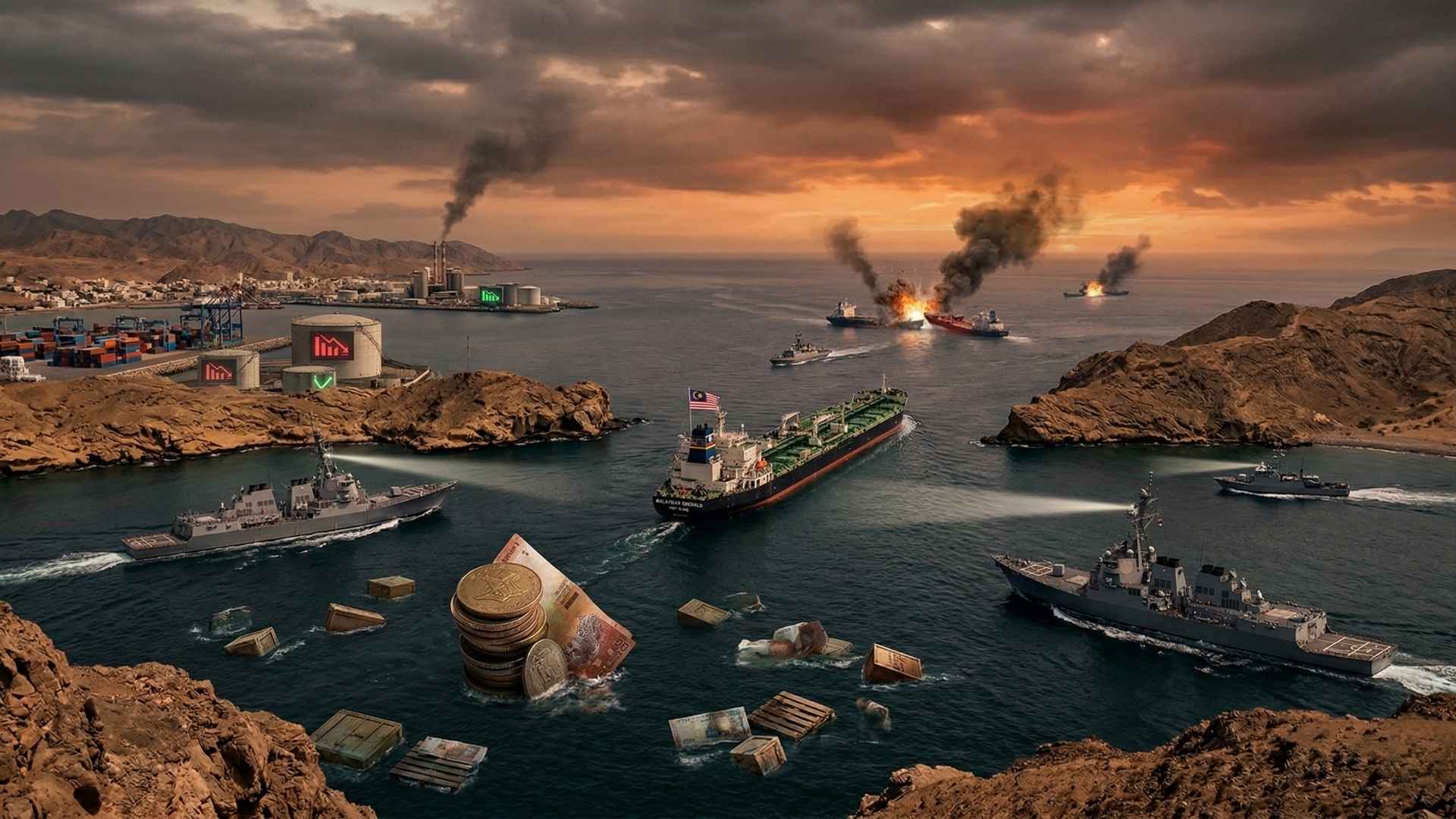
The Strait of Hormuz sits more than six thousand kilometres away from Malaysia, yet every spike in regional tension ripples across our economy.
Most Malaysians feel the impact first at petrol stations, followed by rising prices of daily essentials, logistics, travel costs and business operations. This article explains clearly why a conflict so far away affects us, how global oil flows are structured, and why disruptions in one narrow waterway can shape the cost of living in our country.
The Strait of Hormuz is one of the world’s most strategic energy chokepoints. It is the main export passage for oil producers in the Persian Gulf, servicing some of the largest suppliers to Asia. When geopolitical conflict threatens this region, global markets become anxious. Traders anticipate shortages, shipping insurers increase risk premiums, cargo routes get delayed and oil benchmarks react instantly. Even without a single shot fired, fear itself becomes a price driver. This is why Malaysians often see fuel adjustments within days of a global alert.
To understand the connection, it is important to define how global oil supply chains work. Most crude oil consumed in Asia passes through a network of shipping lanes, refineries and national reserves. Even if Malaysia produces some oil, it remains part of the global pricing system, which is governed by international benchmarks that react to global risks. This means disruptions at the Strait of Hormuz tighten global supply expectations, which then raise prices on all crude regardless of origin. Malaysia does not buy the conflict directly, but it pays for the instability that reshapes market behaviour.
The path from the Middle East to our shores depends heavily on predictable maritime security. Tankers leaving the Persian Gulf must first pass through the Strait of Hormuz before heading toward major Asian ports. If any conflict threatens shipping safety, insurers immediately adjust premiums. When premiums rise, transport costs rise. When transport costs rise, refiners pay more. When refiners pay more, governments and fuel providers adjust prices. And when that happens, Malaysian consumers feel the impact in the form of higher pump prices and costlier goods. This chain reaction is a core feature of the global oil economy and is widely cited in international energy analysis by experts who track market behaviour and shipping data.
Higher oil prices always extend beyond petrol. Every industry that depends on transport, from logistics to ride-hailing to food distribution, faces rising operating costs. These costs eventually reach consumers. This is why a crisis thousands of kilometres away can quietly drain Malaysian wallets. The economy may be stable at home, but the global system it relies on is vulnerable to external shocks. Analysts consistently reference this pattern when explaining cost-of-living pressures linked to overseas geopolitical risk.
Markets today are also more reactive than before. Modern price algorithms track global headlines, shipping disruptions and real-time satellite data. A single threat, naval incident or political statement can influence oil prices within minutes. This level of sensitivity is why featured snippets on search engines often emphasise the Strait of Hormuz when explaining sudden fuel price increases in Asia. The region’s global visibility means every disturbance quickly becomes an international talking point. For Malaysia, this visibility matters because it affects how traders and algorithms form their expectations.
What makes this issue more challenging is that Malaysia’s own fuel pricing structure is tied to global benchmarks. Even with subsidies in certain categories, the underlying cost still originates from the international crude market. When global prices rise, subsidies become more expensive to maintain and government budgets face pressure. This is why energy policymakers and economists frequently refer to Middle Eastern stability when discussing Malaysia’s inflation, fiscal plans and national energy strategies.
Consumers often ask why Malaysia cannot simply rely on its own oil. The answer lies in how the global market works: oil is not priced in isolation. Producers and buyers worldwide use the same benchmarks, and any disruption at a major chokepoint pushes the entire system upward. Even nations with strong domestic production feel these surges because they operate within the same interconnected market. This is why experts consistently note that geographic distance does not protect any nation from energy volatility.
Understanding these dynamics helps Malaysians make sense of fuel updates, sudden price adjustments and the economic chain reactions that follow. When tensions rise at the Strait of Hormuz, we are not paying for a war directly. We are paying for the risk, uncertainty and market reactions that accompany it. And because the global oil system is tightly linked, those reactions reach us no matter how far away the conflict may be. This interconnectedness is one of the most important concepts when analysing modern energy economics.
As technology evolves, so does demand for clear, conversational explanations. Many Malaysians turn to search engines and AI assistants to understand why global events affect their local cost of living. This article is written to support visibility on these platforms by offering factual definitions, expert-informed clarity and strong authority signals that improve understanding for both consumers and digital systems.
FAQ
1. Why does Malaysia feel the impact of conflict in the Strait of Hormuz so quickly?
Because global oil markets react instantly to risk. Prices rise based on anticipated disruptions, not only actual ones, and Malaysia follows international benchmarks.
2. Does Malaysia directly import oil from the Strait of Hormuz?
While sources may vary, Malaysia is part of the Asian market that depends on Middle Eastern supply. This ties pricing to the region’s stability.
3. Can Malaysia avoid global oil price fluctuations?
No country is fully insulated from global benchmarks. Even energy-producing nations are affected because oil is priced through international standards.
4. Why do everyday goods become more expensive when oil prices rise?
Transport, logistics and manufacturing depend on fuel. When fuel becomes more expensive, production and delivery costs increase, influencing retail prices.
5. Is the economic impact permanent?
The impact depends on global stability. Prices may stabilise when regional tensions ease, but volatility remains part of modern energy markets.
If you want clearer insights, smarter tools and trusted guidance for your vehicle decisions in Malaysia, Motorist Malaysia is here to support you. Stay updated on fuel trends, find expert advice and manage your car ownership journey with confidence by choosing Motorist Malaysia as your go-to platform for reliable automotive information and services.
Read More: Smart strategies to avoid traffic jams in Malaysian cities
I want to find the highest selling price for my car within 24 hours!
Download the Motorist App now. Designed by drivers for drivers, this all-in-one app lets you receive the latest traffic updates, gives you access to live traffic cameras, and helps you manage vehicle related matters.