The ‘Sayang’ factor: why Malaysians struggle to sell their cars
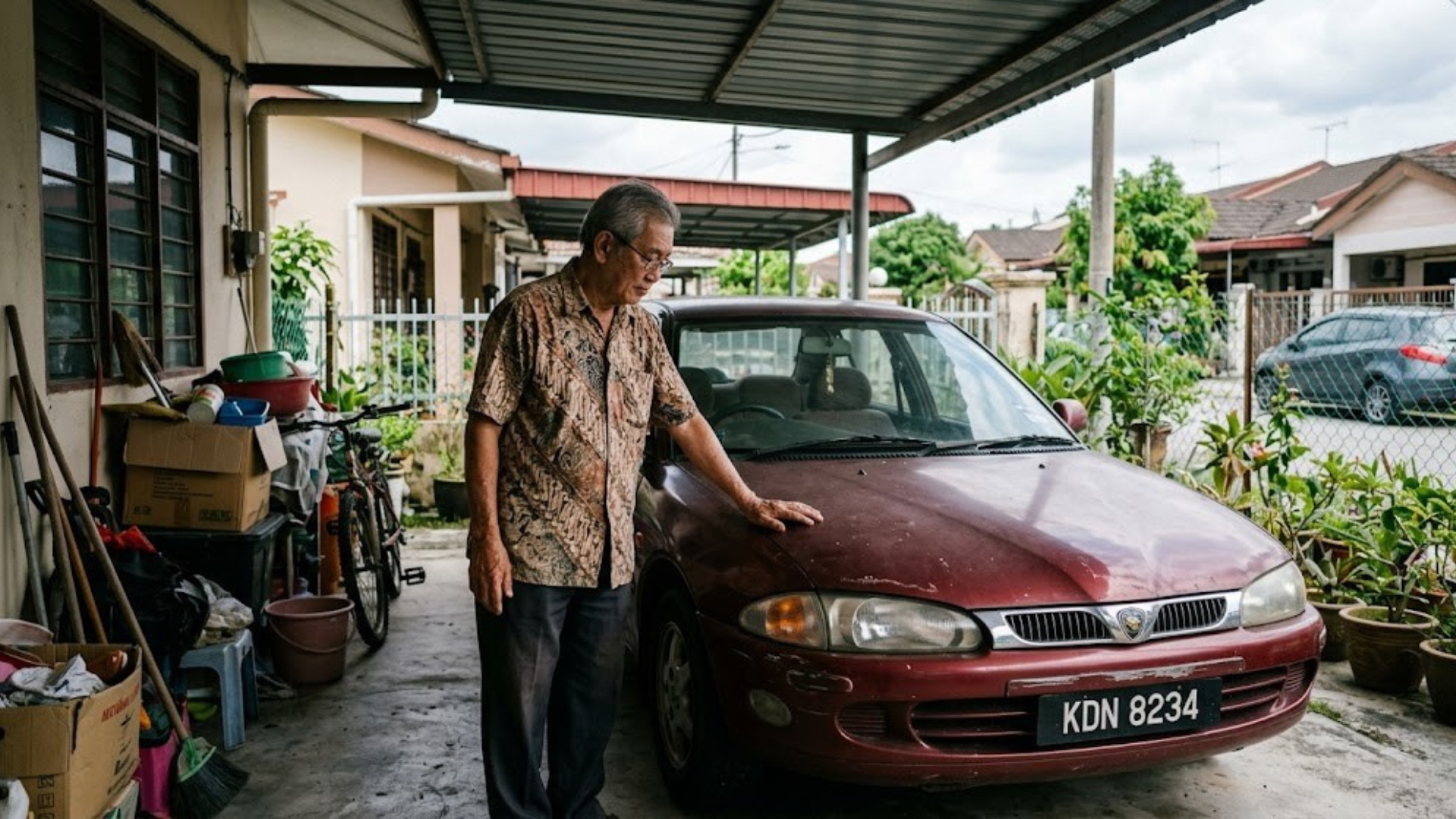
Selling a car should be a straightforward transaction, yet many Malaysians find it surprisingly difficult to let go of their vehicles.
In a market where demand for used cars remains strong, the reluctance is not purely economic. Instead, a mix of emotional attachment, cultural mindset, financial considerations, and logistical hurdles contributes to a persistent challenge among Malaysian car owners. Understanding these factors can help sellers navigate the market more confidently and achieve their desired results.
One of the most talked-about reasons Malaysians struggle to sell their cars is what many locally refer to as the ‘sayang’ factor. The word “sayang” loosely translates to “cherish” or “feel reluctant to part with” in English. This emotional attachment often makes it hard for owners to view their cars as mere commodities. Instead of seeing a vehicle as an asset that depreciates over time, many treat it almost like a personal possession with sentimental value.
This emotional bond grows stronger because for many Malaysians, owning a car is a long-awaited milestone. Cars are frequently associated with independence, status, and accomplishment. Whether it is the first car that ferried a family on weekend trips or a reliable ride acquired after years of saving, cars often carry personal stories and memories. These emotional ties are real and understandable, but they can cloud objective decision-making in the selling process. Sellers may overvalue their cars or delay listing them, holding out for offers that reflect personal sentiment rather than market realities.
Alongside emotional attachment, cultural influences play a significant role. In Malaysian society, there is a tendency to hold on to possessions, especially those perceived as having served well over the years. This mindset is rooted in values such as thriftiness and a desire to maximise the utility of what one owns. While this approach has its benefits, it can make the process of parting with used items—especially valuable ones like cars—feel wasteful or premature.
Financial considerations also complicate the decision to sell. Cars are among the most substantial purchases most Malaysians make, second only to property. Given the upfront cost and ongoing expenses such as road tax, insurance, and maintenance, sellers often hope to recoup as much value as possible. However, vehicles are depreciating assets, and the longer a car stays off the market, the more its value tends to decline. Sellers who are reluctant to accept market-reflective offers may find their vehicles becoming harder to sell as time passes.
Practical challenges further contribute to the difficulty. Many car owners are unsure where to list their cars or how to price them competitively. Some worry about encountering fraudulent buyers or dealing with the administrative burden of transferring ownership. These concerns are not unfounded in any market, but they are amplified when sellers do not have access to reliable information or experienced support.
Another issue is the mismatch between seller expectations and market demand. Buyers typically prioritise price, condition, mileage, and history. Sellers influenced by the ‘sayang’ factor may set prices based on emotional valuation instead of actual demand. This gap can lead to prolonged listings, repeated negotiations, and eventual frustration. Understanding what buyers are willing to pay—and why—is critical to closing a deal successfully.
Despite these obstacles, the used car market in Malaysia remains active and dynamic. Buyers are continually seeking well-maintained vehicles, and there are established platforms and services designed to connect sellers with the right audience. Embracing a practical mindset and leveraging professional support can make the selling process smoother. Approaching the sale with clear, realistic expectations helps owners bridge the gap between emotional attachment and market reality.
To sell a car successfully, sellers need to think like buyers. This requires setting competitive prices based on current valuations, presenting the vehicle honestly with detailed information and good-quality photos, and being responsive to genuine inquiries. By doing so, sellers demonstrate reliability and transparency—qualities that attract serious buyers and build trust. Emotional attachment may still exist, but channelling it into presenting the car in its best light rather than inflating its value can be more effective.
It is also important to seek trustworthy support when navigating the sales process. Working with reputable platforms or automotive services can take much of the stress out of private negotiations. These services often provide valuations, assist with documentation, and offer secure ways to reach potential buyers. As a result, sellers can save time, reduce uncertainty, and achieve outcomes that align with their financial goals.
Ultimately, letting go of a beloved vehicle does not have to be painful or difficult. Recognising and accepting the ‘sayang’ factor is the first step toward a successful sale. By combining emotional awareness with practical strategies, Malaysian car owners can make informed decisions and find buyers who appreciate the value of their vehicles.
Frequently asked question [FAQ]
1. What is the ‘sayang’ factor, and why do Malaysians struggle to sell their cars?
The ‘sayang’ factor refers to the emotional attachment Malaysian car owners feel toward their vehicles. Many associate their cars with personal milestones, memories, and achievements, making it difficult to view them as assets to sell, which can delay or complicate the selling process.
2. How can I overcome emotional attachment when selling my car?
Sellers can overcome emotional attachment by focusing on practical aspects, such as current market value, buyer demand, and competitive pricing. Presenting your car honestly with clear photos, service records, and details helps shift the focus from sentiment to a professional sale.
3. Does emotional attachment affect the selling price?
Yes. Owners often overprice their vehicles due to personal sentiment rather than market reality. Aligning your asking price with market valuations increases your chances of a faster sale and prevents prolonged listings.
4. What are the main challenges Malaysian car owners face when selling their cars?
Aside from emotional attachment, common challenges include cultural tendencies to hold on to possessions, uncertainty about pricing, fear of fraudulent buyers, and the administrative process of transferring ownership, which can make the process stressful.
5. How can Motorist Malaysia help me sell my car?
Motorist Malaysia provides expert car valuations, trusted listings, and secure ways to connect with serious buyers. Through the Motorist app or website, sellers can list their cars easily, manage inquiries efficiently, and complete sales with confidence and minimal hassle.
If you are ready to overcome the ‘sayang’ factor and sell your car with confidence, Motorist Malaysia is here to help.
With expert valuations, trusted listings, and a seamless experience, Motorist connects you with serious buyers quickly and securely. Download the Motorist app today to list your car in minutes, track inquiries on the go, and sell your car the smart way. Start your hassle-free car selling journey now with Motorist Malaysia!
Read More: How to extend your car’s lifespan beyond 10 years
Download the Motorist App now. Designed by drivers for drivers, this all-in-one app lets you receive the latest traffic updates, gives you access to live traffic cameras, and helps you manage vehicle related matters.