Import cars vs local cars: which retains value better in Malaysia?
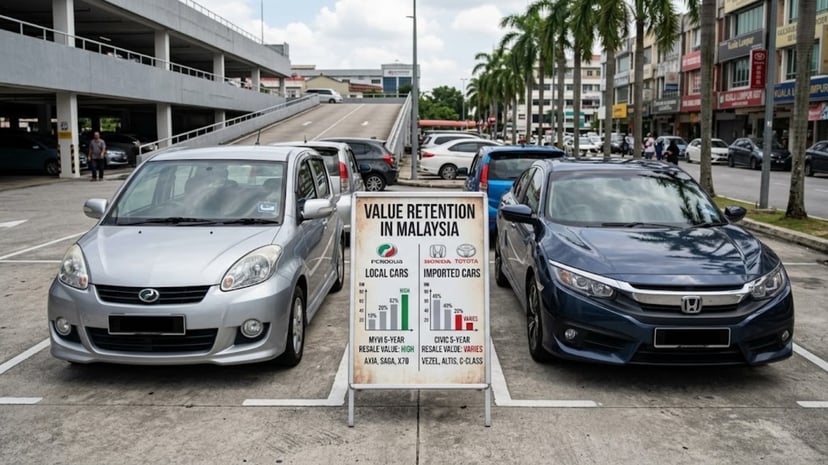
When it comes to buying a car in Malaysia, one of the most important considerations is how well the vehicle will retain its value over time.
With prices constantly changing and depreciation rates varying, the decision between import cars and locally assembled vehicles can significantly affect your long-term investment. Understanding the nuances between the two can help Malaysian car owners make smarter choices, whether buying for personal use or planning to sell in the future.
Understanding Import cars and local cars
Imported cars in Malaysia include vehicles brought in fully built from other countries, such as Japan, Germany, or the United States. These vehicles are often sought after for their advanced technology, superior build quality, and unique features not always available in local models. On the other hand, locally assembled cars are manufactured or assembled within Malaysia, usually by national brands or in collaboration with international automakers. Local cars often offer better affordability, easier access to spare parts, and lower maintenance costs.
Depreciation rates: how import and local cars differ
Depreciation is a major factor in determining how much value a car retains over time. Imported cars typically have higher initial costs, which can lead to steeper depreciation in the first few years. Factors such as limited availability of parts, higher repair costs, and market demand influence how quickly these cars lose value. Local cars, while generally cheaper to purchase, often experience slower and more predictable depreciation due to easier access to servicing and parts, as well as familiarity among Malaysian buyers.
It’s also worth noting that certain imported cars, especially premium models, can retain their value exceptionally well if they are well-maintained and in high demand. Collectible models or vehicles with strong brand recognition often outperform local cars in long-term value retention.
Factors affecting car value in Malaysia
Several elements affect the resale value of both import and local cars. Mileage and condition are universal factors, but other considerations can differ. Import cars may face stricter road regulations, higher import taxes, and insurance costs, all of which can influence resale price. Local cars benefit from widespread service networks and lower taxes, making them easier to sell to a broader market. Additionally, economic factors such as fuel prices, government incentives, and the popularity of hybrid or electric vehicles can shift buyer preferences, impacting value retention.
Market trends and buyer preferences
Malaysian buyers often prefer cars that are practical, reliable, and cost-effective to maintain. While imported cars may attract enthusiasts looking for performance or exclusivity, the majority of buyers tend to favour local models for daily commuting. This preference directly impacts resale value. Cars that align with market demand typically hold their value better, regardless of whether they are imported or local.
Making the right choice for your situation
Choosing between an import car and a local car ultimately depends on your priorities. If you value exclusivity, advanced features, and are willing to accept higher maintenance costs, an imported car could be a rewarding investment. Conversely, if you seek reliability, lower ownership costs, and predictable resale value, a local car is usually the smarter choice. The key is to evaluate not just the upfront cost but the long-term financial implications of depreciation, servicing, and market demand.
Maximising resale value
Regardless of whether you opt for an import or local car, maintaining the vehicle properly is critical. Regular servicing, keeping accurate maintenance records, and avoiding modifications that could reduce appeal are all important. Selling through reputable platforms such as Motorist Malaysia can also ensure that you reach serious buyers and get the best possible value for your car.
Frequently asked questions [FAQ]
1. Do imported cars always depreciate faster than local cars?
Not always. While imported cars often have higher initial depreciation due to purchase price and servicing costs, certain premium or rare models can retain or even appreciate in value over time if demand remains high.
2. Which is cheaper to maintain: import or local cars?
Generally, local cars are cheaper to maintain due to lower parts costs, easier access to service centres, and familiarity with mechanics. Imported cars can be more expensive to service, especially luxury or high-performance models.
3. Can I sell an imported car easily in Malaysia?
Yes, but resale speed and price can vary. Popular brands and well-maintained models sell faster, while niche or rare imports may take longer to find the right buyer.
4. Does mileage affect import and local cars differently?
Mileage affects both types of cars, but import cars may see a greater impact on resale value if the mileage is high due to perceived higher maintenance risks. Local cars usually have more predictable depreciation curves.
Ready to Sell Your Car at the Best Value?
Maximise your car’s resale value with Motorist Malaysia. Whether you own an imported or local car, Motorist connects you with serious buyers, offers transparent pricing, and simplifies the selling process. Download the Motorist App today to sell faster, get better offers, and make your car ownership experience smarter.
Read More: What happens when you choose convenience over price for your car?
Download the Motorist App now. Designed by drivers for drivers, this all-in-one app lets you receive the latest traffic updates, gives you access to live traffic cameras, and helps you manage vehicle related matters.