Car sounds you should never ignore before they become expensive problems
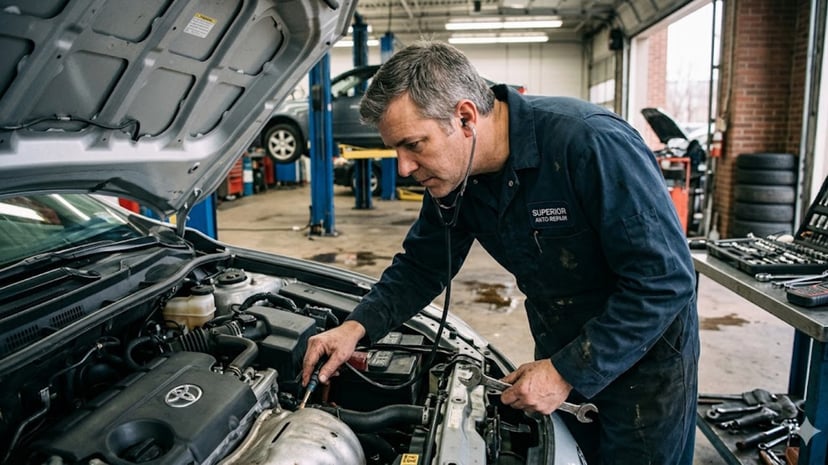
Most drivers get used to the normal sounds of their car.
The hum of the engine, the tyres rolling on the road, and the click of the signal indicator all become part of everyday driving. That is why unusual noises often stand out immediately. A new squeal, knock, grind, or hiss is usually your car’s way of warning you that something is wrong.
Ignoring these sounds can turn a small repair into a major expense. In some cases, it can also create serious safety risks for you, your passengers, and other road users. Understanding the warning signs early can help you protect your vehicle, save money, and avoid breakdowns.
Why strange car sounds matter
Modern cars are built with many moving parts that must work together smoothly. When something wears out, loosens, leaks, or breaks, noise is often one of the first symptoms. While not every sound means disaster, unusual noises should never be dismissed without checking the cause.
In Malaysia, frequent stop-start traffic, potholes, heavy rain, and hot weather can place extra stress on brakes, suspension, tyres, and cooling systems. That means some issues may appear faster than expected, especially if regular servicing has been delayed.
Squealing when you brake
A high-pitched squeal when pressing the brake pedal is one of the most common warning sounds. This often happens when brake pads are worn and need replacement. Many brake pads are designed with wear indicators that create a squealing noise to alert the driver.
If the sound is ignored, the pads may wear down completely and damage the brake discs. Once that happens, repairs become more expensive. More importantly, braking performance can be reduced, which increases stopping distance and safety risks.
If you hear squealing while braking, have your brakes inspected as soon as possible.
Grinding from the wheels
Grinding noises are more serious than squealing. A harsh metal-on-metal sound when braking can mean the brake pads are already fully worn out. Grinding while driving may also point to a damaged wheel bearing.
Wheel bearings help the wheels rotate smoothly. When they fail, the wheel can become noisy, unstable, and unsafe. Because braking and wheel issues directly affect control of the car, grinding sounds should be checked immediately.
Knocking from the engine
A knocking or tapping sound from the engine can have several causes, including low engine oil, worn internal components, poor fuel quality, or incorrect ignition timing. Some drivers describe it as a repeated ticking or metallic knock that changes with engine speed.
Engine problems can become severe if left untreated. Low oil, for example, can lead to major internal damage because metal parts are no longer properly lubricated. If you hear knocking from the engine bay, stop driving if the sound is severe and arrange an inspection.
Hissing under the bonnet
A hissing sound often suggests escaping air, steam, or fluid pressure. It may come from a leaking radiator hose, vacuum line, air-conditioning system, or cooling system component.
If the hissing happens after driving and you notice rising temperature readings, do not ignore it. Overheating can cause engine damage, blown head gaskets, or complete engine failure. Allow the car to cool before opening the bonnet, as hot coolant systems can be dangerous.
Clunking over bumps
A clunking noise when driving over bumps or turning corners usually points to suspension or steering issues. Worn bushings, damaged absorbers, loose mounts, or failing linkages are common causes.
Suspension problems do more than create noise. They can reduce comfort, tyre life, and handling stability. In emergency situations, poor suspension response can affect your ability to control the car safely.
If your car feels less stable along with the noise, get it checked quickly.
Whining when accelerating
A whining sound while accelerating may come from the transmission, power steering system, belts, or differential. The exact cause depends on when the sound appears and whether it changes with speed or engine revs.
For example, a slipping belt may create a whining or chirping sound, while low transmission fluid can cause more serious mechanical stress. Because drivetrain repairs can be costly, early diagnosis is always the smarter option.
Clicking when turning
If you hear repeated clicking noises while turning, especially during slow manoeuvres, the issue may be related to worn constant velocity joints, commonly known as CV joints. These parts transfer power to the wheels while allowing movement during turns.
Once a CV joint becomes badly worn, failure can leave the car unable to drive properly. Catching the issue early usually means simpler and cheaper repairs.
How to respond when you hear a strange sound
The first step is not to panic. Try to notice when the sound happens. Does it occur while braking, accelerating, turning, idling, or going over bumps? Does it happen only when the engine is cold or after long drives? These details help technicians diagnose the issue faster.
Do not simply increase the radio volume and hope it disappears. Strange sounds rarely fix themselves. If warning lights appear or the car feels unsafe, stop driving and seek assistance immediately.
Prevention is always cheaper than repair
Routine maintenance is the best defence against expensive breakdowns. Regular servicing helps catch worn brake pads, leaking hoses, old fluids, damaged belts, and suspension wear before they become major problems.
Tyre checks, brake inspections, fluid top-ups, and scheduled servicing are far less costly than emergency repairs or towing after a roadside breakdown.
Your car communicates through sound more often than many drivers realise. Squealing brakes, grinding wheels, engine knocking, hissing leaks, and clunking suspension noises are all signals that deserve attention. Acting early can protect your safety, reduce repair costs, and extend the life of your vehicle.
Frequently asked questions [FAQ]
1. Can I keep driving if my car makes a strange noise?
It depends on the sound and severity. Minor noises may not be urgent, but grinding brakes, overheating sounds, loud knocking, or steering-related noises should be treated seriously and checked immediately.
2. Why does my car only make noise in the morning?
Some noises happen when components are cold, such as belts slipping or engine parts lacking full lubrication at start-up. If the sound repeats daily, it should still be inspected.
3. Are brake noises always expensive to fix?
Not always. Replacing brake pads early is usually affordable compared to replacing damaged discs or callipers after prolonged neglect.
4. Can poor roads in Malaysia cause car noises?
Yes. Potholes, uneven roads, and frequent stop-start driving can accelerate wear on tyres, suspension, steering parts, and brakes.
5. Should I sell my car if it keeps developing problems?
If repair costs are rising and reliability is dropping, selling or upgrading may be the smarter financial decision.
If your car is becoming costly to maintain, or you are thinking about upgrading to something more reliable, let Motorist Malaysia help. Compare offers, manage your vehicle needs, and explore smarter ownership solutions all in one place. Download the Motorist App today and discover an easier way to drive, maintain, and sell your car with confidence.
Read More: How much money are you losing by keeping an old car too long?
Download the Motorist App now. Designed by drivers for drivers, this all-in-one app lets you receive the latest traffic updates, gives you access to live traffic cameras, and helps you manage vehicle related matters.