Cars Malaysians buy and later regret: what goes wrong after the excitement fades
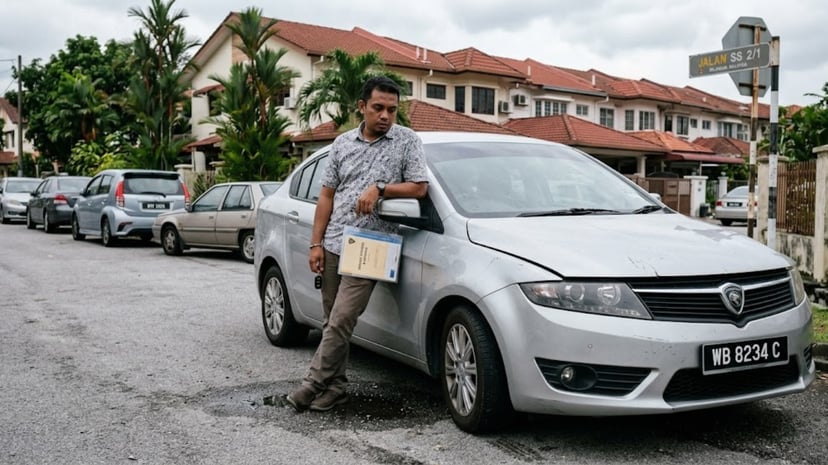
Buying a car is one of the biggest financial decisions many Malaysians make.
For some, it is about practicality. For others, it is about comfort, image, or finally owning a dream model after years of waiting. But once the excitement of collecting the keys fades, some owners realise the car they chose does not suit their real lifestyle, budget, or long-term needs.
Car regret is more common than many people think. It does not always mean the car is bad. In many cases, it simply means the purchase decision was based on emotion, trends, or short-term thinking instead of long-term ownership reality. Understanding why buyers regret certain choices can help you avoid the same mistake.
One of the biggest reasons Malaysians regret a car purchase is focusing only on the monthly repayment. A car may seem affordable because the instalment fits the budget, but ownership costs go far beyond that.
Fuel, insurance, road tax, servicing, tyres, repairs, parking, and tolls all add up over time. A vehicle with a higher engine capacity or premium badge may look attractive during purchase, but the running costs can become stressful later.
This is especially common among first-time buyers who compare only loan payments and ignore the total cost of ownership. A smarter decision is to ask what the car will cost every month and every year, not just what the bank approves.
Some cars win hearts instantly. They look sporty, premium, or unique. But after a few months, owners may start noticing the daily compromises.
A stylish coupe may have limited rear space. A compact car may feel too cramped for a growing family. A low-slung vehicle may scrape speed bumps or be difficult for elderly passengers. A boot that looked acceptable in the showroom may suddenly feel tiny during balik kampung season.
Many regrets happen because buyers imagine special moments instead of everyday use. The best car for most people is not always the most exciting one. It is the one that works well on Monday morning traffic, grocery runs, family trips, and unexpected errands.
Some vehicles are excellent when new but expensive when they age. Once the warranty period ends, owners may face rising maintenance bills. Wear-and-tear parts, electronics, suspension components, and specialised labour can cost much more than expected.
This often affects buyers who stretch their budget for a used premium car. The purchase price may seem like a bargain compared with a new mainstream model, but older luxury vehicles can carry premium repair costs long after the price tag drops.
Buying used can still be a smart move, but only when service history, condition, spare parts availability, and realistic maintenance budgeting are considered.
Every few years, certain models become extremely popular. Social media hype, influencer reviews, and community trends can create pressure to buy what everyone else wants. But popularity does not guarantee suitability.
A trending SUV may be too large for your parking space. A highly modified performance car may be uncomfortable for daily commuting. A niche imported model may have slower parts supply. What works for another owner may not work for your needs. The right question is not “What is popular now?” but “Will this still suit me in three to five years?”
Some buyers only think about driving the car, not exiting it. But resale value matters in Malaysia because many owners eventually upgrade, downsize, or switch vehicles.
Cars with weak market demand, poor brand confidence, or costly maintenance reputations may be harder to sell later. Even if the car performs well, finding a buyer can take time and may require heavy price reductions.
This is why checking market demand and depreciation trends before buying is useful. A car with stronger resale value can reduce the real cost of ownership over time.
Life changes faster than many car loans end. A single professional may later get married. A couple may have children. Work arrangements may change. Parents may need transport support.
A car that fits today may feel unsuitable tomorrow. This does not mean you must predict every life event perfectly, but it helps to choose a vehicle with some flexibility. Extra cabin space, good safety features, and practical storage often become more valuable over time than cosmetic upgrades.
Many regrets begin with impulse buying. A promotion ends soon. A showroom offer feels urgent. A dream model becomes available. The decision gets rushed.
Emotions are normal in car buying, but they should be balanced with research. Test drive the car properly. Compare ownership costs. Read owner feedback. Review financing carefully. Think about how long you plan to keep the vehicle. A car bought calmly is less likely to become a regret.
The best way to avoid regret is to match the car to your real life, not your idealised version of life. Consider your monthly budget honestly. Think about passengers, parking space, fuel usage, service costs, and future plans. Compare multiple options instead of falling in love with the first one.
Most importantly, do not measure value only by brand or appearance. True value comes from reliability, affordability, convenience, and how well the car serves your daily routine.
Cars Malaysians later regret are not always bad cars. They are often mismatched purchases. A vehicle can be excellent for one owner and frustrating for another. The smartest buyers look beyond excitement and focus on long-term practicality, ownership costs, and future flexibility.
A car should make life easier, not more expensive or stressful. Taking more time before buying can save years of regret after buying.
Frequently asked questions [FAQ]
Why do people regret buying a car?
Most regrets happen when buyers focus on looks or monthly instalments while overlooking maintenance costs, practicality, fuel use, and resale value.
Is buying a used premium car a bad idea?
Not necessarily. It can offer strong value, but repair and maintenance costs must be researched carefully before purchase.
How can I know if a car suits my lifestyle?
Think about daily commuting, family needs, parking space, travel habits, and long-term affordability. A test drive also helps reveal practical issues.
Does resale value really matter?
Yes. Strong resale value can lower your real ownership cost and make upgrading or selling easier in the future.
Should I wait before deciding on a car?
Yes. Avoid rushed purchases. Comparing models, financing, and ownership costs often leads to better long-term satisfaction.
Use Motorist Malaysia to compare offers, check your car’s value, manage ownership needs, and make better vehicle decisions with confidence. Download the Motorist App today and take control of your car journey with smarter tools built for Malaysian drivers.
Read More: Are you overspending on your car? warning signs to watch
Download the Motorist App now. Designed by drivers for drivers, this all-in-one app lets you receive the latest traffic updates, gives you access to live traffic cameras, and helps you manage vehicle related matters.