Ways Malaysian drivers can cut car expenses in 2026 without sacrificing convenience
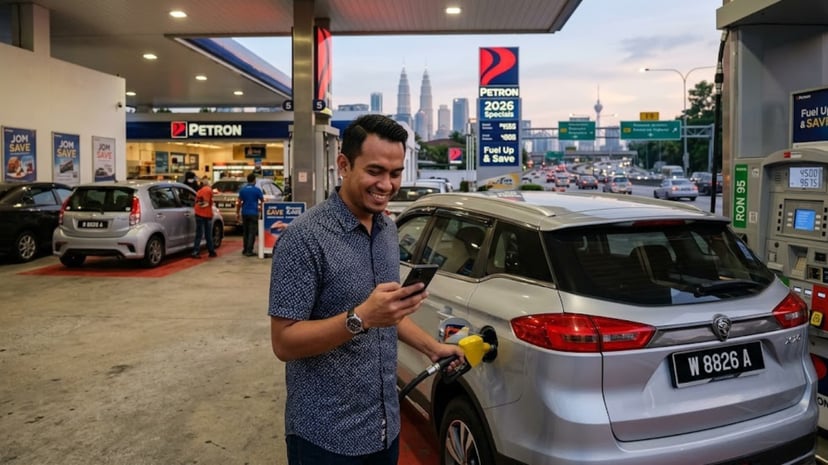
Car ownership in Malaysia remains essential for many families and working adults, but the cost of driving continues to rise.
Fuel prices, maintenance bills, insurance premiums, toll charges, and loan commitments can place pressure on monthly budgets. In 2026, the smartest drivers are not only looking at how much they spend, but also how they spend it. The good news is that reducing car expenses does not always mean giving up comfort or convenience. With better habits, smarter planning, and the right tools, Malaysian drivers can lower ownership costs while still enjoying the freedom of having a car.
Understand where your money goes
Many drivers underestimate the real cost of owning a car because they only focus on monthly instalments or fuel. In reality, car expenses usually include servicing, tyres, road tax, insurance, parking, tolls, repairs, cleaning, and depreciation.
When you track your spending for a few months, patterns become clearer. You may discover that frequent short trips use more fuel than expected, or that late servicing leads to larger repair bills later. Once you know where your money goes, it becomes easier to cut waste.
Drive smoother to save fuel
Fuel remains one of the biggest recurring expenses for most drivers. Aggressive acceleration, sudden braking, and speeding can increase fuel consumption significantly. Smooth driving helps your engine work more efficiently and reduces unnecessary fuel burn.
Maintaining a steady speed, anticipating traffic flow, and avoiding heavy acceleration can improve mileage over time. Even small daily savings can become meaningful over a year, especially for commuters who drive long distances.
Planning routes before leaving home can also reduce fuel use. Avoiding traffic jams, unnecessary detours, and repeated short trips saves both time and money.
Keep tyre pressure at the correct level
Tyres are often ignored until something goes wrong, yet they directly affect fuel efficiency, safety, and replacement costs. Underinflated tyres create more rolling resistance, forcing the engine to work harder and use more fuel.
Checking tyre pressure regularly is a simple habit that can lower costs. Properly inflated tyres also wear more evenly, helping them last longer. Replacing tyres too early because of uneven wear is an avoidable expense many drivers face.
Follow preventive maintenance, not delayed repairs
Some drivers skip servicing to save money, but this often creates bigger costs later. Regular oil changes, fluid checks, brake inspections, and battery testing help detect problems before they become expensive repairs.
A minor issue such as worn brake pads or weak battery performance is usually cheaper to fix early than after it damages other components or causes a breakdown. Preventive maintenance also helps preserve resale value, which matters when it is time to upgrade or sell.
Using trusted workshops and following the manufacturer’s service schedule can reduce surprises and keep long-term ownership costs lower.
Review your insurance every year
Many Malaysians renew car insurance automatically without comparing options. While convenience matters, failing to review coverage can mean paying more than necessary.
In 2026, drivers should compare premiums, benefits, excess charges, and claim support before renewing. The cheapest plan is not always the best, but the best value policy balances price with meaningful protection.
Safe driving records and no-claim discounts may also reduce premiums over time. Taking a few minutes to compare options each year can lead to worthwhile savings.
Reduce unnecessary car use
Owning a car does not mean every journey must be made by car. Combining errands into one trip, carpooling with colleagues, or using public transport for selected routes can lower fuel, toll, and parking costs.
For city drivers, short journeys in congested areas can be among the most expensive when considering time lost and stop-start fuel use. Using alternatives occasionally can help control monthly expenses while reducing wear on the vehicle. This does not mean abandoning your car. It means using it more strategically.
Protect resale value from day one
One of the biggest hidden costs of car ownership is depreciation. While all cars lose value over time, some lose value faster because of poor condition, missing service records, accident history, or neglected maintenance.
Keeping your car clean, repairing minor cosmetic damage, servicing on schedule, and storing records properly can improve future resale value. When the time comes to sell, a well-maintained car often attracts better offers and faster interest. Saving money is not only about spending less today. It is also about recovering more value later.
Avoid emotional spending on upgrades
Accessories and cosmetic modifications can be tempting, but not every upgrade adds value. Some drivers spend heavily on rims, body kits, audio systems, or styling changes that do little to improve practicality.
Before buying upgrades, ask whether they improve safety, comfort, or long-term ownership value. If not, the money may be better saved for maintenance, insurance, or emergency repairs. Smart spending often means separating wants from needs.
Use digital tools to manage ownership costs
Technology makes car ownership easier in 2026. Drivers can compare insurance, track servicing schedules, monitor resale value, and access car-related services through mobile platforms.
Instead of making rushed decisions during renewals or when selling, digital tools help drivers compare choices and make informed decisions based on real market conditions.
The more informed you are, the less likely you are to overspend.
Small changes create big yearly savings
Many drivers search for one dramatic way to cut costs, but savings usually come from consistent small improvements. Better driving habits, regular maintenance, smarter renewals, and careful planning can reduce expenses month after month.
In a year, those small changes may add up to hundreds or even thousands of ringgit saved. The key is consistency.
Frequently asked questions [FAQ]
How can I save fuel while driving in Malaysia?
Drive smoothly, avoid sudden acceleration, maintain steady speeds, keep tyres properly inflated, and plan routes to avoid heavy traffic.
Is skipping car service a good way to save money?
Usually no. Delaying maintenance can lead to larger and more expensive repairs later.
Does comparing insurance really help?
Yes. Reviewing insurance options annually can help you find better value coverage and potentially lower premiums.
What is the biggest hidden car cost?
Depreciation is often one of the biggest hidden costs, especially if the car is poorly maintained or sold at the wrong time.
Can apps help reduce car ownership costs?
Yes. Apps can help with insurance comparisons, reminders, resale estimates, and easier access to car services.
Want a smarter way to manage your car expenses in 2026? Motorist Malaysia helps drivers compare insurance renewals, get car valuations, sell vehicles, and manage ownership needs in one place. Download the Motorist App today and discover easier, more cost-effective car ownership for Malaysian drivers.
Read More: Top 10 affordable used cars in Malaysia April 2026 – best budget picks
Download the Motorist App now. Designed by drivers for drivers, this all-in-one app lets you receive the latest traffic updates, gives you access to live traffic cameras, and helps you manage vehicle related matters.