Useful car tech vs gimmicks for Malaysian drivers: what is actually worth paying for?
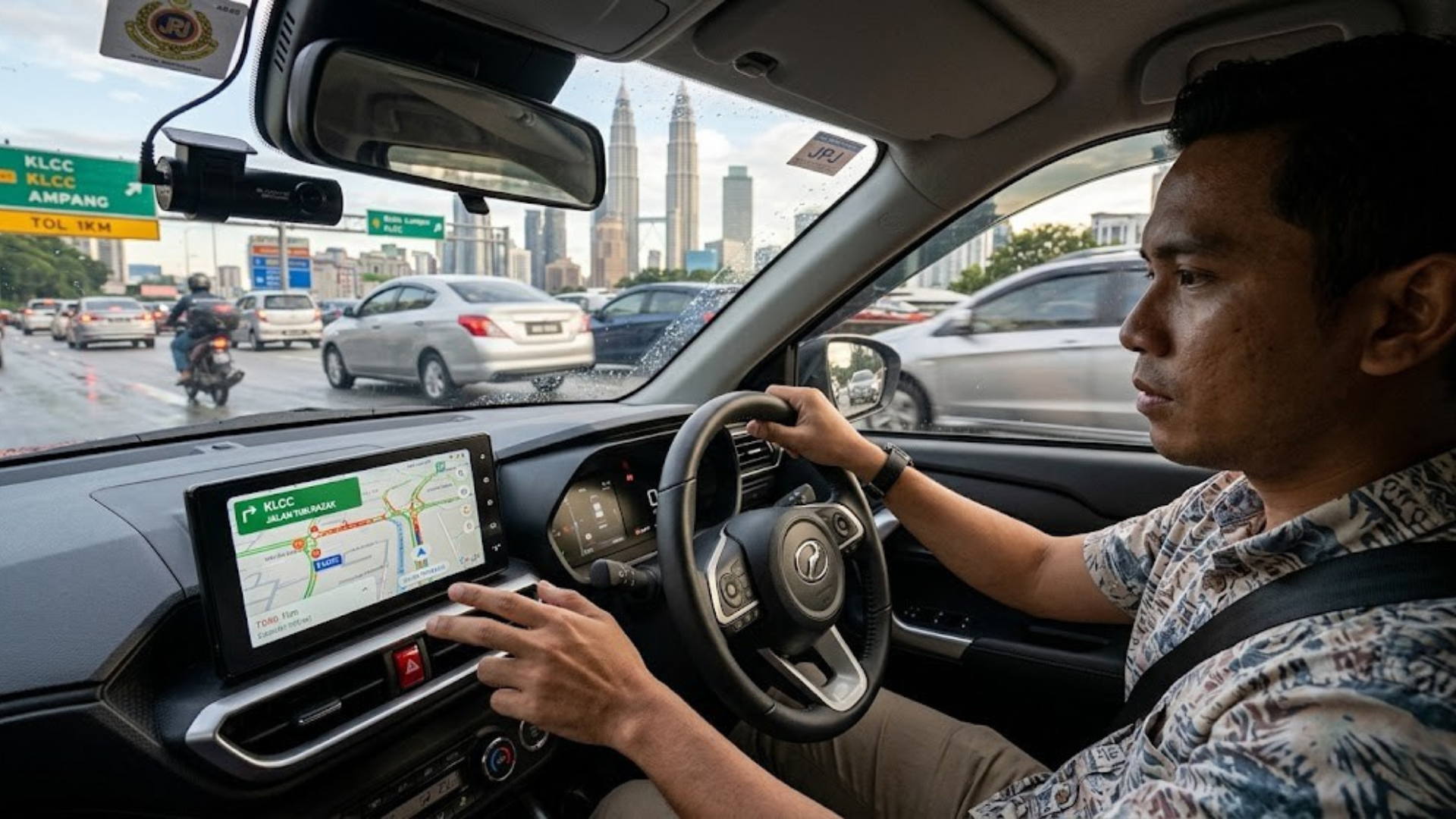
Car technology has changed rapidly over the past decade.
Features that once appeared only in premium vehicles are now available in many everyday models across Malaysia. Buyers today are often presented with long lists of advanced systems, digital upgrades, and “smart” functions that promise convenience, safety, and entertainment. However, not every feature deserves your money.
Some technologies genuinely improve the driving experience, reduce stress, and help protect drivers on Malaysian roads. Others may sound impressive in a showroom but add little practical value in daily use. For buyers trying to make smart decisions, knowing the difference matters.
This guide explores useful car tech versus gimmicks for Malaysian drivers, helping you focus on what truly benefits real-world ownership.
Why this matters for Malaysian drivers
Driving conditions in Malaysia are unique. Heavy rain, traffic congestion, long highway journeys, crowded parking areas, and rising ownership costs all shape what features are truly useful.
A flashy feature may look good during a test drive, but if it does not help in traffic, improve safety, lower costs, or make ownership easier, it may not be worth paying extra for.
The best car technology solves real problems.
Useful car tech that is worth having
Reverse camera and parking sensors
Parking in busy malls, shop lots, and narrow residential areas can be stressful. Reverse cameras and parking sensors make a noticeable difference by improving visibility and reducing the chance of minor accidents.
For Malaysian drivers who frequently deal with tight parking spaces, this is one of the most practical features available. Even experienced drivers benefit from the extra confidence.
Blind spot monitoring
Lane changes on busy roads can be risky, especially during peak-hour traffic. Blind spot monitoring alerts drivers when another vehicle is beside them but outside normal mirror view.
This is especially useful on highways and multi-lane city roads where motorcycles, compact cars, and fast-moving vehicles can appear suddenly.
Adaptive cruise control
Many Malaysians regularly travel between cities using highways such as the North-South Expressway. Adaptive cruise control automatically adjusts speed based on traffic ahead, reducing fatigue on long journeys.
It does not replace driver attention, but it can make highway driving more comfortable and less tiring.
Autonomous emergency braking
This system can detect obstacles or sudden traffic slowdowns and apply braking support if the driver reacts too late. In unpredictable traffic conditions, this technology can help reduce accident severity or avoid collisions entirely.
Safety-focused features like this often provide more real value than cosmetic upgrades.
Apple CarPlay and Android Auto
Smartphone integration allows navigation, calls, music, and messaging through the car screen in a safer, more organised way.
For Malaysian drivers who rely on navigation apps, traffic updates, or hands-free communication, this feature is highly practical. It also often works better than outdated built-in infotainment systems.
Tyre pressure monitoring system
Tyres affect safety, fuel efficiency, and comfort. A tyre pressure monitoring system warns drivers when pressure drops, helping prevent uneven wear or dangerous underinflation.
Given Malaysia’s hot climate and frequent long-distance driving, tyre care is more important than many people realise.
Car tech that may be more gimmick than value
Gesture controls
Some vehicles allow drivers to wave a hand in the air to change music volume or answer commands. While interesting in demonstrations, many drivers find physical buttons or steering controls faster and more reliable.
If a feature is slower than pressing a button, it may not improve real usability.
Excessive ambient lighting modes
Basic cabin lighting can improve style and visibility. However, some vehicles now offer dozens of colours, animated patterns, or nightclub-like effects.
This may look fun initially, but it rarely changes ownership experience in a meaningful way.
Overly complicated touch-only controls
Modern interiors often remove buttons and move everything into screens. While this can look clean and futuristic, adjusting air-conditioning or essential settings through menus can be distracting while driving.
Simple physical controls are often safer and easier.
Built-in apps with limited support
Some cars include their own apps for news, weather, or streaming, but software support may age quickly. If updates stop, the feature becomes outdated faster than the car itself.
Phone integration usually offers better long-term value.
Fake engine sounds
Certain models use speakers to create artificial engine noise inside the cabin. Some drivers enjoy it, but many consider it unnecessary and less authentic.
This is a preference feature rather than a practical benefit.
How to decide if a feature is worth paying for
Before choosing any vehicle upgrade, ask a few simple questions.
Does it improve safety?
Does it save time or reduce stress?
Will you use it every week?
Will it still matter after the excitement of purchase fades?
Could the same budget be better spent on servicing, tyres, insurance, or a higher-spec variant with real safety improvements?
These questions help separate useful innovation from showroom marketing.
New cars are not the only option
Many used cars in Malaysia now come with excellent practical technology. Reverse cameras, touchscreen infotainment, keyless entry, cruise control, and driver assistance systems can be found in pre-owned models at more affordable prices.
That means buyers do not always need the latest new car to enjoy useful technology.
Focus on ownership, not just features
The smartest car purchase is not always the one with the longest feature list. It is the one that fits your budget, driving habits, and long-term needs.
A dependable car with practical technology often delivers better value than an expensive model packed with features you rarely use.
When comparing vehicles, think beyond the brochure. Real value comes from technology that helps you every day, not features that impress for five minutes.
Frequently asked questions [FAQ]
What is the most useful car technology for Malaysian drivers?
The most useful features often include reverse cameras, parking sensors, smartphone connectivity, blind spot monitoring, and safety systems such as autonomous emergency braking.
Are expensive tech packages worth it?
It depends on what is included. Packages focused on safety and daily convenience are usually more worthwhile than cosmetic or novelty features.
Is older car technology still good enough?
Yes. Many slightly older vehicles still offer highly useful features such as cruise control, reverse cameras, and touchscreen infotainment at lower prices.
Do gimmick features affect resale value?
Usually less than expected. Condition, mileage, service history, brand reputation, and market demand often matter more than novelty technology.
Should I buy new or used for better value?
Used cars can offer strong value if well maintained, especially when they already include practical technology features.
Looking for a smarter way to buy, sell, or manage your car in Malaysia? Motorist Malaysia helps drivers compare vehicles, sell cars, renew insurance, check loans, and access useful ownership tools all in one place. Download the Motorist App today and make every car decision easier, faster, and more informed.
Read More: Are you overspending on your car? warning signs to watch
Download the Motorist App now. Designed by drivers for drivers, this all-in-one app lets you receive the latest traffic updates, gives you access to live traffic cameras, and helps you manage vehicle related matters.