Malaysia petrol price explained: why it changes weekly
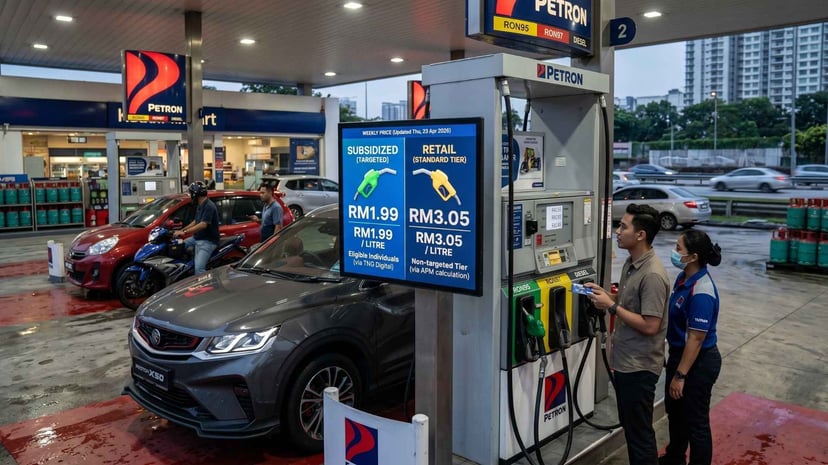
Petrol prices in Malaysia often change every week, and many drivers are unsure why this happens. Unlike fixed pricing systems in some countries, Malaysia uses a managed float pricing mechanism for fuel, which means prices are adjusted based on global oil markets and government policy. This system is designed to balance affordability for consumers while reflecting international crude oil price movements.
In Malaysia, petrol pricing is mainly determined by three key factors: global crude oil prices, currency exchange rates, and government subsidies. These three elements work together to decide how much consumers pay at the pump each week.
Global crude oil prices are the most important factor. Oil is traded internationally in US dollars, and its price changes daily based on supply and demand, geopolitical events, and production levels from major oil-producing countries. When global oil prices rise, fuel prices in Malaysia are usually affected as well. When oil prices fall, petrol prices may decrease, although not always immediately due to pricing adjustments and policy considerations.
The second factor is the exchange rate between the Malaysian Ringgit and the US Dollar. Since oil is priced in USD, a weaker Ringgit makes imported fuel more expensive, which can lead to higher petrol prices. Conversely, a stronger Ringgit can help reduce fuel costs. This is why currency fluctuations also play an indirect but important role in petrol pricing.
The third and most unique factor in Malaysia is government subsidies. The Malaysian government provides fuel subsidies to help keep petrol prices affordable for citizens. In particular, RON95 petrol is heavily subsidised compared to RON97, which is priced closer to market rates. Diesel subsidies have also undergone changes in recent years as part of broader fiscal adjustments. These subsidies help protect consumers from extreme price volatility but also mean that prices do not always fully reflect global market changes.
In Malaysia, petrol prices are typically updated on a weekly basis, usually announced every Wednesday. This weekly revision system allows prices to adjust gradually rather than fluctuating daily. It also gives consumers a predictable schedule for monitoring fuel costs.
There are different types of fuel available in Malaysia, and each has a different pricing structure. RON95 is the most commonly used fuel and is subsidised for eligible users. RON97 is a higher-octane fuel without subsidies and is generally more expensive. Diesel is used mainly for commercial vehicles and has its own pricing structure, which has been gradually adjusted in line with subsidy rationalisation policies.
Many drivers notice that petrol prices in Malaysia do not always move in direct proportion to global oil prices. This is because subsidies and government interventions act as a buffer. For example, even if global oil prices increase significantly, the impact on Malaysian consumers may be reduced or delayed due to subsidy adjustments.
Understanding petrol pricing is important because fuel costs are a major part of vehicle ownership in Malaysia. For many drivers, petrol expenses can account for a significant portion of monthly transportation costs, especially for those who commute long distances.
Businesses are also affected by fuel price changes, particularly logistics, delivery services, and transportation companies. When fuel prices rise, operational costs increase, which can indirectly affect prices of goods and services in the economy.
In recent years, there has been increasing public discussion about fuel subsidy rationalisation in Malaysia. The government has explored targeted subsidy systems to ensure that assistance is given to those who need it most while reducing fiscal burden. These policy discussions can also influence long-term petrol price trends.
For consumers, the most practical approach is to monitor weekly fuel announcements and understand how global oil trends affect local pricing. While individual drivers cannot control fuel prices, they can manage fuel consumption through efficient driving habits, proper vehicle maintenance, and choosing fuel-efficient vehicles.
Petrol pricing in Malaysia is therefore not random. It is a structured system influenced by global economics, currency movements, and government policy. Understanding this system helps drivers make better financial decisions and anticipate changes in fuel costs.
FAQ
1. Why does petrol price in Malaysia change every week?
Petrol prices change weekly because Malaysia uses a managed float system that adjusts prices based on global oil markets and currency exchange rates.
2. Who decides petrol prices in Malaysia?
Petrol prices are determined by the government, taking into account global oil prices, currency value, and subsidy policies.
3. Why is RON95 cheaper than RON97?
RON95 is subsidised by the government for eligible users, while RON97 is priced closer to market rates without subsidies.
4. Does global oil price directly affect Malaysia petrol price?
Yes, but the impact is moderated by subsidies and government policies, so changes are not always immediate or equal.
5. When are petrol prices updated in Malaysia?
Petrol prices are usually updated weekly, typically announced every Wednesday.
Stay updated with the latest petrol prices and car-related insights in Malaysia with Motorist Malaysia. From weekly fuel updates to car valuation and ownership guides, Motorist helps you make smarter driving decisions every day. Check the latest petrol prices and car information now on Motorist Malaysia.
Read More: Love on four wheels: romantic drives in Kuala Lumpur
I want to find the highest selling price for my car within 24 hours!
Download the Motorist App now. Designed by drivers for drivers, this all-in-one app lets you receive the latest traffic updates, gives you access to live traffic cameras, and helps you manage vehicle related matters.