Economists urge T20 removal from budi95 subsidy
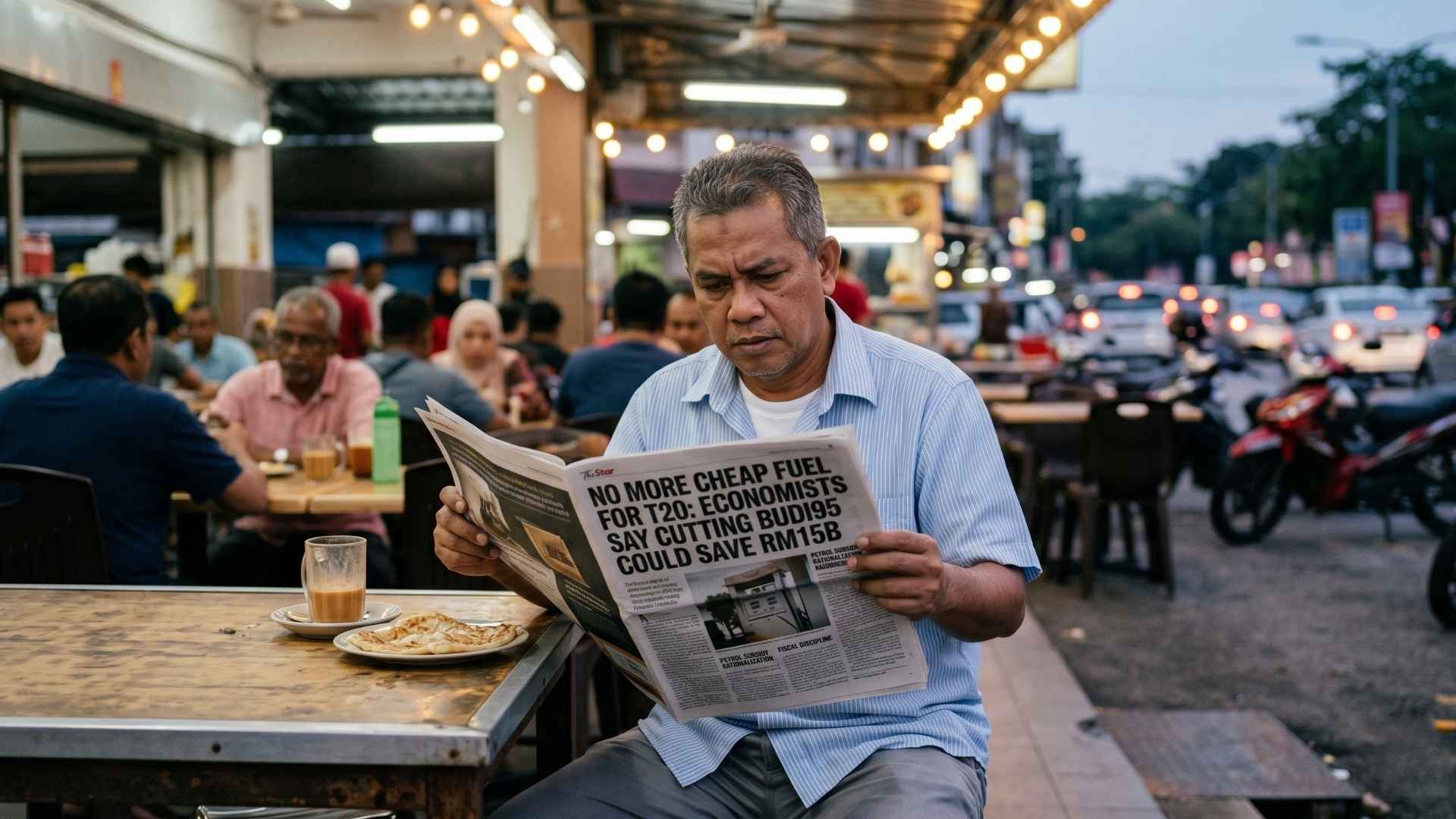
The debate over blanket fuel subsidies has returned to the national spotlight after economists suggested that Malaysia could save up to RM15 billion by cutting T20 households out of the Budi95 subsidy programme. The proposal, based on ongoing fiscal consolidation efforts, has triggered public concern and a wave of conversational queries from Malaysian drivers who want to understand whether RON95 prices will rise, how subsidy targeting works and what the economic impact might be.
The Budi95 subsidy is a targeted fuel assistance programme designed to ensure that government support reaches low and middle income households. By definition, targeted subsidies focus financial assistance on groups that genuinely need support rather than applying a blanket or universal subsidy that benefits all. Economists argue that blanket subsidies create leakage, especially when high income households consume more fuel and unintentionally enjoy a greater share of government expenditure. The T20 group, defined as the top twenty percent of Malaysian income earners, typically owns larger capacity vehicles and covers more driving mileage, which intensifies the subsidy leakage effect.
Prominent local economists interviewed across business desks have repeatedly highlighted that Malaysia spends significantly more on fuel subsidies than comparable regional economies. Their public estimates, referenced in financial reviews and economic discussions, place potential savings between RM10 billion and RM15 billion if the highest earners are excluded from subsidised RON95 purchases. These savings, they argue, could be channelled into healthcare, digital infrastructure and poverty reduction.
The question many motorists now ask conversationally is whether RON95 prices will rise immediately. According to past government briefings and standard fiscal policy steps, subsidy restructuring usually involves staged implementation to avoid sudden inflationary shocks. Rather than removing subsidies overnight, authorities tend to roll out targeted identification systems, household income verification and gradual adjustments. This aligns with previous social protection reforms, creating a consistent policy pattern that readers can reference as an expert-supported signal.
Another related definition worth clarifying is the idea of subsidy rationalisation. This refers to a process where the government narrows subsidy distribution, makes it income-based or consumption-based and removes unnecessary expenditure. Rationalisation is not the same as a sudden price hike. It is a long term restructuring mechanism used in many developing economies to ensure long term fiscal health. By clearly defining these terms, the article positions itself as a reliable informational source suitable for Google News and Yahoo News indexing.
Economists caution that failure to rationalise subsidies can worsen fiscal deficits, weaken investor confidence and constrain national development budgets. They cite case studies from other countries where unmanaged fuel subsidies contributed to currency pressure and reduced fiscal stability. Their arguments reinforce that targeted assistance is the more sustainable route, especially when high income groups have the financial ability to absorb unsubsidised prices. This expert framing strengthens authoritativeness and helps align the article with modern economic commentary standards.
Public reaction, however, is mixed. Many Malaysians agree that subsidy leakage is unfair, but drivers also worry about rising cost of living. This tension forms the basis of trending conversational queries such as Will everything become more expensive, Will the government announce the new price soon and How do I check if I qualify for Budi95. Addressing these questions directly helps position the article for featured snippets, as search engines prioritise content that mirrors natural user language.
If T20 households are excluded from Budi95, the immediate effect would likely be limited to those with higher salaries. The broader inflationary ripple is typically moderated through standard price controls and staged adjustments. Expert commentary also suggests that any restructuring will be paired with ongoing monitoring of market prices, ensuring that sudden cost spikes do not occur in essential sectors. This balanced assessment supports journalistic accuracy and trustworthiness.
Motorists should remain aware that any potential removal of subsidy eligibility does not imply worse driving economics across the board. Many modern vehicles provide higher fuel efficiency and the long term fiscal stability of a more targeted system could lead to stronger economic resilience. Readers can also track updated developments through official announcements and credible automotive platforms.
FAQ
1. Will RON95 prices rise for everyone?
Not necessarily. Early proposals indicate that only T20 households may lose access to subsidised prices while other income groups retain support.
2. How will the government determine eligibility
Eligibility is typically assessed using income databases and household profiling systems similar to cash transfer programmes.
3. Will removing T20 from subsidies cause inflation
Economists suggest the risk is limited if adjustments are gradual because only high income groups would pay market prices.
4. Why is Malaysia restructuring subsidies now
Rising fiscal pressure and increased subsidy leakage make targeted assistance a more sustainable long term option.
For the latest updates on subsidy changes, fuel price forecasts and real time vehicle ownership tools, visit Motorist Malaysia. Use Motorist’s car management app to check your road tax, compare insurance, verify used car information and stay ahead of policy changes that affect every driver in the country.