Why Malaysians rush to buy fuel when big news breaks
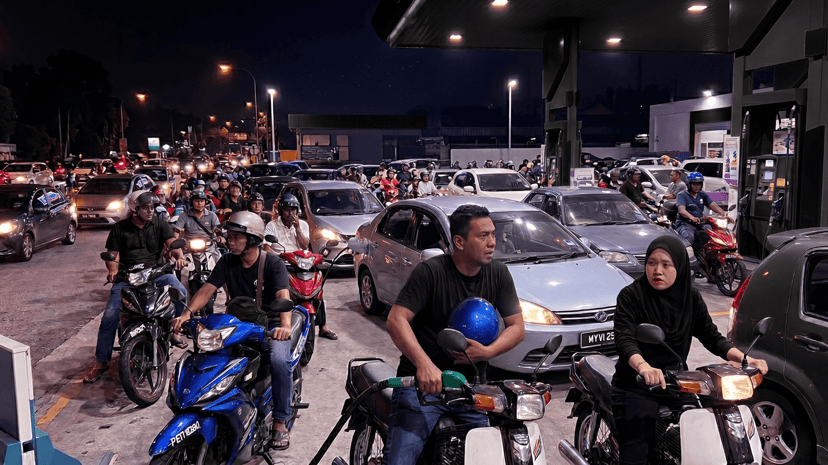
Whenever major news breaks in Malaysia involving fuel subsidies, global oil prices, political uncertainty, or rumours of petrol price hikes, many petrol stations suddenly become crowded. Long queues begin forming within hours, social media becomes flooded with speculation, and drivers rush to fill their tanks before midnight.
This pattern has become increasingly common in recent years. Whether the news is confirmed or simply based on rumours, panic buying fuel has become a familiar reaction among Malaysian motorists. While the behaviour may seem irrational to some people, it is actually influenced by psychology, economic pressure, and past experiences. Understanding why Malaysians react this way helps explain how fuel prices affect daily life far beyond transportation.
Why fuel prices directly affect household spending
For many Malaysians, fuel is a daily necessity rather than an optional expense. Commuters who drive long distances to work, parents sending children to school, ride-hailing drivers, delivery riders, and small business owners all depend heavily on petrol or diesel.
Even a small increase in fuel prices can affect monthly budgets significantly. When people hear news about possible subsidy cuts or global oil price increases, they immediately think about rising living costs. Fuel affects not only transportation expenses but also food prices, logistics costs, and overall inflation. Because many households are already managing tight financial commitments, Malaysians often try to save money wherever possible. Filling a full tank before a price increase feels like a practical way to reduce immediate costs.
Social media spreads rumours faster than official announcements
One major reason panic buying happens quickly is the speed of information sharing on social media. Messages claiming that petrol prices will rise often spread rapidly online and create public concern within a short period of time.
In many cases, these rumours are not officially verified. However, once images of crowded petrol stations begin circulating online, more motorists start rushing to refill their vehicles because they fear missing the opportunity before prices increase. This creates a chain reaction. Even drivers who originally had no intention of buying fuel suddenly feel pressured to join the queues simply because everyone else is doing the same thing. The fear of being unprepared often becomes stronger than the actual financial savings.
Past experiences influence current behaviour
Malaysians have experienced several periods where fuel prices changed suddenly or subsidy policies were adjusted. These past events shaped public behaviour over time. Many drivers still remember previous subsidy rationalisation announcements, fuel shortages in neighbouring countries, or periods of rapid inflation.
Those experiences created a mindset where people prefer to act immediately whenever major fuel-related news appears. Psychologically, people believe it is safer to prepare early rather than regret waiting later. Even if the actual savings are relatively small, the emotional comfort of having a full tank feels important during uncertain situations.
Panic buying creates temporary station congestion
Although Malaysia generally maintains stable fuel supply systems, panic buying often creates unnecessary congestion at petrol stations. During peak periods, stations may experience long waiting times, traffic buildup, and temporary fuel shortages caused by unusually high demand within a short period.
This situation sometimes creates further anxiety among motorists. When drivers see crowded stations or partially empty pumps, they assume supply problems may worsen, encouraging even more panic buying. In reality, most fuel supply disruptions during these situations are temporary and caused by consumer behaviour rather than actual national shortages.
Government subsidy discussions increase public anxiety
Another major reason Malaysians panic buy fuel is uncertainty surrounding fuel subsidy policies. Whenever discussions about subsidy rationalisation, targeted subsidies, or government spending cuts appear in the news, many motorists immediately worry about possible petrol price increases.
Fuel subsidies have always been a sensitive topic in Malaysia because they directly affect daily living expenses. Even rumours about future policy changes can create public anxiety, especially among middle-income families and daily commuters who rely heavily on private vehicles.
As a result, many drivers choose to refill their tanks early as a precautionary step. Even without official confirmation, uncertainty alone is often enough to trigger panic buying behaviour across petrol stations nationwide.
Why staying calm matters
While filling up before a confirmed price increase may offer small short-term savings, panic buying often causes unnecessary stress and inconvenience. Spending hours in traffic queues, overcrowding stations, and spreading unverified rumours can worsen the situation for everyone.
Experts generally advise motorists to rely on official government announcements instead of viral social media claims. Monitoring fuel prices calmly and planning fuel usage wisely is usually more beneficial than reacting emotionally. Maintaining proper vehicle maintenance, tyre pressure, and efficient driving habits can also help Malaysians reduce fuel consumption more effectively over the long term than panic buying during news events.
Fuel anxiety reflects wider economic concerns
Ultimately, fuel panic buying in Malaysia reflects broader concerns about living costs and financial uncertainty. Petrol prices are closely tied to everyday survival for many households, making fuel-related news highly emotional and sensitive.
As economic pressures continue evolving in 2026, Malaysians are likely to remain cautious whenever major fuel announcements appear. However, better public awareness, responsible information sharing, and clearer communication from authorities can help reduce unnecessary panic in the future.
FAQ
1. Why do Malaysians panic buy fuel?
Many Malaysians panic buy fuel because they fear sudden petrol price increases, subsidy cuts, or supply disruptions after major news events or rumours spread online.
2. Does panic buying actually save money?
In some cases, motorists may save a small amount if fuel prices increase shortly after refuelling. However, the savings are usually limited compared to the inconvenience caused by long queues and congestion.
3. Are fuel shortages common in Malaysia?
Malaysia generally has stable fuel supplies. Most temporary shortages during panic buying periods are caused by unusually high consumer demand rather than actual supply problems.
4. How do social media rumours affect fuel buying behaviour?
Social media accelerates panic buying because rumours and viral images of crowded petrol stations create fear and urgency among motorists.
5. What should drivers do during fuel-related news events?
Drivers should follow official announcements, avoid spreading unverified information, and focus on fuel-efficient driving habits instead of reacting emotionally.
Stay informed with the latest Malaysian automotive news, fuel updates, road trends, and driving insights through Motorist Malaysia. Whether you are managing fuel costs, renewing insurance, selling your car, or exploring better ownership solutions, Motorist Malaysia helps Malaysian drivers make smarter decisions every day.
Read More: Are Malaysians keeping their cars longer in 2026?
I want to find the highest selling price for my car within 24 hours!
Download the Motorist App now. Designed by drivers for drivers, this all-in-one app lets you receive the latest traffic updates, gives you access to live traffic cameras, and helps you manage vehicle related matters.