Should you repair cosmetic damage before selling your car?
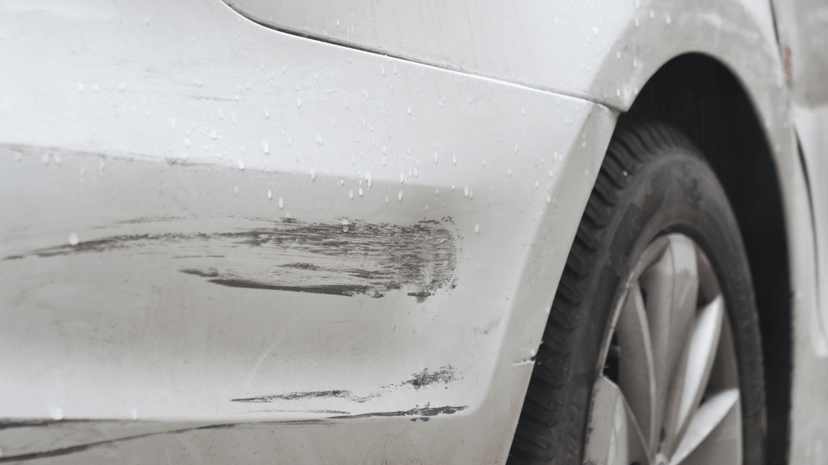
When preparing to sell a used car, many owners focus on pricing, paperwork, and finding potential buyers. However, one question often arises before listing the vehicle: should cosmetic damage be repaired before selling?
Minor scratches, dents, chipped paint, and small interior imperfections may seem insignificant to an owner who has lived with them for years. To a buyer, however, these visible flaws can create a negative first impression and influence how they perceive the vehicle's overall condition.
The answer depends on the severity of the damage, the cost of repairs, and the potential impact on resale value. Understanding how buyers evaluate cosmetic condition can help sellers make a more informed decision.
Why cosmetic condition matters to buyers
First impressions play a significant role in the used car market. Before buyers inspect the engine, review maintenance records, or take the vehicle for a test drive, they typically notice its appearance. A vehicle that looks well-maintained often creates confidence that the owner has also taken care of the mechanical aspects of the car.
On the other hand, visible cosmetic damage may lead buyers to question whether regular servicing and maintenance have been neglected. Even when the damage is purely cosmetic, buyers may use it as a reason to negotiate a lower price or move on to another listing altogether.
Which cosmetic damages have the biggest impact?
Not all cosmetic issues affect resale value equally. Small stone chips or minor wear from everyday use are generally expected on older vehicles and may not significantly reduce buyer interest. However, larger dents, deep scratches, peeling paint, cracked bumpers, damaged headlights, and noticeable interior wear can have a stronger impact on a buyer's perception.
Paint damage deserves particular attention because it can sometimes lead to rust if left untreated. Buyers may view unresolved paint issues as a potential future expense and factor that risk into their offer.
When repairing cosmetic damage makes sense
Repairing cosmetic damage is often worthwhile when the repair cost is relatively low compared to the potential increase in selling price. For example, professional polishing can remove light scratches and restore paint shine at a relatively affordable cost. Small dent repairs may also improve the vehicle's appearance without requiring extensive bodywork.
Simple improvements such as touch-up paint, interior cleaning, headlight restoration, and professional detailing can make a vehicle look significantly newer and more attractive to buyers. These repairs may help generate more enquiries, shorten the selling period, and reduce the likelihood of aggressive price negotiations.
When repairs may not be worth the cost
In some situations, spending money on repairs may not provide a meaningful return. If a vehicle has extensive cosmetic damage, high mileage, or is approaching the lower end of the market value range, expensive bodywork may not significantly increase its selling price.
Older vehicles are often purchased based on affordability rather than appearance. Buyers in this segment may accept certain cosmetic imperfections if the vehicle is mechanically sound and priced competitively. Before proceeding with repairs, sellers should compare the estimated repair cost with the likely increase in resale value. If repairs cost more than the expected gain, selling the vehicle as-is may be the more practical option.
The role of professional detailing
One of the most cost-effective ways to improve a vehicle's appearance before selling is professional detailing. A thorough interior and exterior cleaning can remove stains, odours, dust, and accumulated grime. Clean upholstery, polished paintwork, and spotless windows create a positive impression and help photographs stand out in online listings.
Many buyers associate cleanliness with proper ownership and maintenance, making detailing a worthwhile investment even when no major cosmetic repairs are performed.
Honesty remains important
Whether repairs are completed or not, transparency is essential when selling a used car. Buyers appreciate honest descriptions and clear photographs that accurately represent the vehicle's condition. Attempting to conceal damage can damage trust and potentially complicate negotiations later.
Providing maintenance records and explaining any cosmetic imperfections openly can help build confidence and improve the overall selling experience.
Balancing cost and resale value
There is no universal answer to whether cosmetic damage should be repaired before selling a car. The right decision depends on the vehicle's age, market value, condition, and repair costs.
Minor repairs and professional detailing often provide a good return by improving presentation and attracting more potential buyers. However, extensive cosmetic restoration may not always be financially justified, especially for older vehicles. The goal should be to maximise buyer confidence while ensuring that any money spent on repairs contributes positively to the final selling price.
FAQ
1. Does cosmetic damage lower a car's resale value?
Yes. Cosmetic damage can reduce resale value because buyers often perceive visible flaws as signs of poor maintenance. The extent of the impact depends on the severity and location of the damage.
2. Should I fix scratches before selling my car?
Minor scratches are often worth repairing if the cost is reasonable. Removing visible scratches can improve the vehicle's appearance and help attract more buyer enquiries.
3. Is paint repair worth it before selling?
Small paint repairs may be worthwhile, especially if they prevent rust or improve the vehicle's overall presentation. Expensive repainting projects may not always provide a sufficient return on investment.
4. Can I sell a car with dents and scratches?
Yes. Many used cars are sold with cosmetic imperfections. However, buyers may negotiate a lower price depending on the extent of the damage.
5. What is the most cost-effective way to improve a car before selling?
Professional detailing, interior cleaning, headlight restoration, and minor touch-up work are often among the most cost-effective improvements before listing a vehicle for sale.
If you're planning to sell your car, Motorist Malaysia can help make the process easier and more efficient. From obtaining competitive offers from verified dealers to receiving professional guidance throughout the selling journey, Motorist Malaysia helps vehicle owners save time and maximise their car's resale potential. Get your free car valuation today and discover how easy it can be to sell your car with confidence through Motorist Malaysia.
Read More: Motorist is going racing with Aiden Chong and the Shane Ang Racing team for the 2026 season
I want to find the highest selling price for my car within 24 hours!
Download the Motorist App now. Designed by drivers for drivers, this all-in-one app lets you receive the latest traffic updates, gives you access to live traffic cameras, and helps you manage vehicle related matters.