Why your friend sold the same car for RM10,000 more
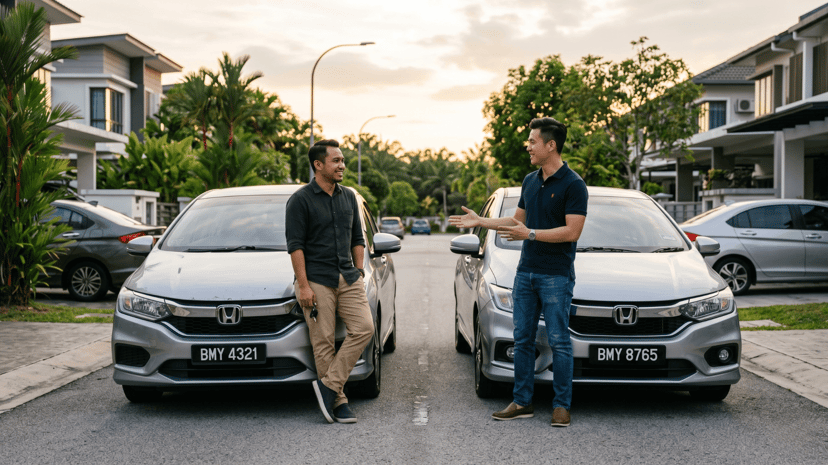
You and your friend own the same car model. Both vehicles are similar in age, mileage, and condition. Yet when it came time to sell, your friend managed to get RM10,000 more than you expected for yours. This situation is surprisingly common in Malaysia's used car market. Many car owners assume that vehicle value is determined solely by brand, model, year, and mileage.
While these factors matter, they are only part of the equation. The difference between an average sale and a great sale often comes down to preparation, timing, market demand, and selling strategy. Understanding what influences resale value can help you avoid leaving money on the table when it is time to sell your vehicle.
Vehicle condition matters more than most owners realise
Two cars may appear identical on paper, but buyers often pay significantly more for a vehicle that has been properly maintained. A complete service history provides confidence that the car has been cared for over the years. Regular maintenance records, receipts for repairs, and documented servicing can reassure buyers and justify a higher asking price.
Cosmetic condition also plays a major role. Minor scratches, faded paint, worn interiors, damaged rims, and neglected upholstery can reduce a buyer's willingness to pay. A professionally cleaned and well-presented vehicle often creates a stronger first impression and increases perceived value.
Even small improvements such as paint touch-ups, interior detailing, and replacing worn components can make a noticeable difference during negotiations.
Timing can affect resale value
The used car market changes constantly based on supply and demand. Certain vehicle types become more desirable during specific periods. Fuel-efficient cars may attract greater interest when fuel prices rise. Family vehicles often experience increased demand before festive seasons or school holidays when families plan long-distance travel.
Economic conditions can also influence pricing. During periods of strong demand and limited supply, sellers may receive better offers than expected. Your friend may have sold at a time when market demand was particularly favourable, while you may be comparing prices from a different market cycle.
The way a car is advertised influences buyer perception
Many sellers underestimate the importance of presentation when creating a vehicle listing. High-quality photos taken in good lighting can dramatically improve buyer interest. Listings that include clear images of the exterior, interior, engine bay, tyres, and service records tend to generate more enquiries.
Detailed descriptions also build trust. Buyers appreciate transparency regarding mileage, ownership history, maintenance records, and vehicle condition. A well-crafted listing can make a vehicle appear more valuable and trustworthy compared to another listing with poor photos and minimal information.
Negotiation skills can create a significant price gap
Not every seller approaches negotiations in the same way. Some owners accept the first reasonable offer they receive because they want a quick sale. Others take time to compare offers, understand current market prices, and negotiate confidently.
Your friend may have received multiple offers and leveraged them to secure a higher selling price. By contrast, accepting an offer too quickly can result in a lower final selling price. Having access to multiple buyers often strengthens a seller's position and helps maximise resale value.
Vehicle specifications can affect pricing
Even within the same model range, certain variants command higher resale values. Features such as advanced safety systems, premium interiors, larger infotainment displays, leather seats, sunroofs, and higher trim packages can increase buyer demand.
Colour can also influence resale performance. Neutral colours such as white, silver, grey, and black generally appeal to a wider audience, making them easier to sell and potentially more valuable. A vehicle with desirable specifications may attract stronger offers compared to a basic variant of the same model.
Market demand plays a crucial role
Some vehicles naturally retain value better than others because of strong consumer demand. Popular Japanese brands, fuel-efficient compact cars, and reliable family SUVs often perform well in Malaysia's used car market. When demand exceeds supply, buyers may be willing to pay more to secure the vehicle they want.
If your friend's car matched a high-demand segment at the time of sale, that alone could account for a substantial difference in selling price.
Selling through the right platform makes a difference
Many car owners only explore one option when selling their vehicle. They may accept the first offer they receive without knowing whether a better offer is available elsewhere. In reality, the price you receive can vary significantly depending on how many buyers have the opportunity to view and bid for your car.
Platforms that connect sellers to a large network of verified used car dealers create a more competitive environment. Instead of relying on a single buyer's valuation, multiple dealers can assess your vehicle and submit their best offers. This competition often results in stronger bids and gives sellers greater confidence that they are receiving a fair market price.
By exposing your car to a wider pool of interested buyers, you increase the chances of achieving a higher selling price while reducing the time and effort required to search for buyers individually. In many cases, the difference between an average offer and the best offer can amount to thousands of ringgit.
Preparation often determines profit
The difference between selling a car quickly and selling it profitably often comes down to preparation. Owners who invest time in cleaning their vehicle, organising service records, researching market prices, and comparing offers are generally more successful at achieving higher resale values.
In many cases, the RM10,000 difference is not caused by luck. It is the result of making informed decisions throughout the selling process.
FAQ
1. Why did my friend get a higher price for the same car?
Several factors can contribute to a higher selling price, including better vehicle condition, complete service records, stronger market demand, better advertising, and more effective negotiation.
2. Does servicing history really affect resale value?
Yes. Buyers often view documented servicing as proof that a vehicle has been properly maintained, which can increase confidence and support a higher selling price.
3. Should I repair minor cosmetic damage before selling?
Minor repairs and professional detailing can improve first impressions and help maintain your vehicle's value. In many cases, the additional sale price can outweigh the repair costs.
4. Is it better to sell directly or through a platform?
Both options have advantages. However, accessing multiple buyers through a trusted platform can increase competition and help you secure better offers.
5. How can I find out my car's current market value?
Comparing recent listings, dealer offers, and vehicle valuation services can provide a good indication of current market value. Professional car-selling platforms can also help you assess competitive pricing.
If you want to maximise your car's resale value without the hassle of contacting multiple buyers yourself, Motorist Malaysia can help. Motorist connects your vehicle to a wide network of dealers and buyers, increasing your chances of receiving competitive offers. From valuation support to managing enquiries, Motorist simplifies the selling process while helping you achieve the best possible price for your car. Get started with Motorist Malaysia today and discover what your vehicle is truly worth.
Read More: Suzuki Fronx Hybrid drops RM29,000 in price: should you buy new or buy used car in 2026?
I want to find the highest selling price for my car within 24 hours!
Download the Motorist App now. Designed by drivers for drivers, this all-in-one app lets you receive the latest traffic updates, gives you access to live traffic cameras, and helps you manage vehicle related matters.