The Motorist Guide to detecting mileage tampering in 2026
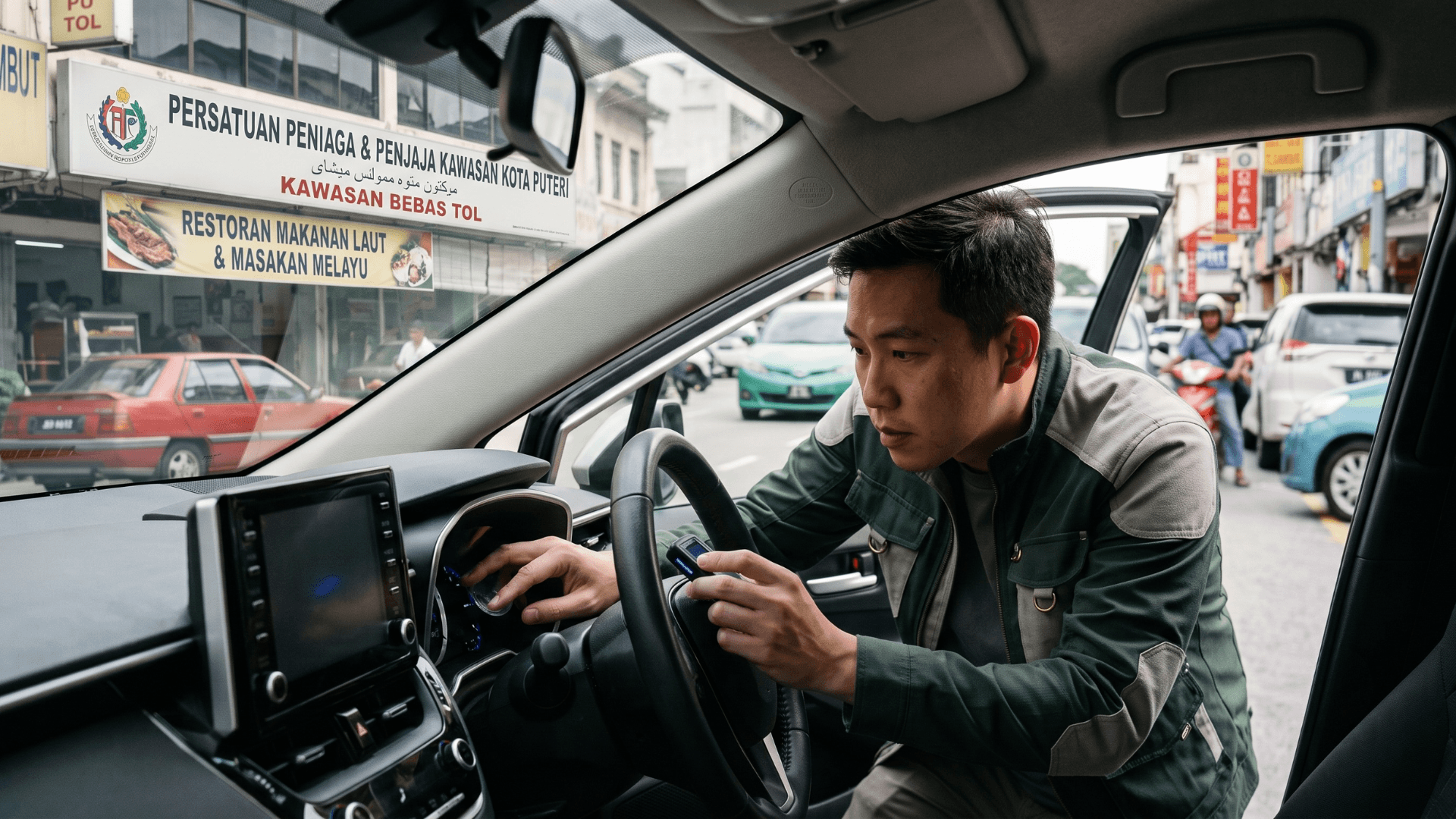
Buying a used car has become increasingly attractive in 2026 as vehicle prices remain high and many motorists look for better value. While the used car market offers plenty of opportunities, it also presents risks that buyers should never ignore. One of the most common and costly forms of fraud continues to be mileage tampering.
A vehicle's mileage plays a significant role in determining its market value, maintenance schedule, reliability, and expected lifespan. Unfortunately, dishonest sellers may manipulate the odometer to make a vehicle appear less used than it actually is. This practice, commonly known as odometer rollback or mileage tampering, can cost unsuspecting buyers thousands of ringgit in repairs and significantly reduce the vehicle's true value.
Although modern vehicles feature digital odometers and more sophisticated electronic systems, mileage fraud has not disappeared. Instead, the methods have evolved alongside automotive technology. Understanding how to detect potential tampering has become an essential skill for every used car buyer.
This guide explains everything motorists need to know about mileage tampering in 2026, including how it happens, the warning signs, inspection techniques, verification methods, and how to protect yourself before purchasing a used vehicle.
What is mileage tampering?
Mileage tampering occurs when someone intentionally alters a vehicle's recorded mileage to display fewer kilometres than the car has actually travelled. The primary objective is simple. Lower mileage generally increases a vehicle's resale value because buyers often associate fewer kilometres with better mechanical condition, less wear and longer remaining lifespan.
For example, a vehicle that has genuinely travelled 180,000 km may be altered to display only 80,000 km. To an unsuspecting buyer, the car appears newer, more valuable and potentially worth several thousand ringgit more than its actual market value. Mileage fraud can affect almost every type of vehicle, including passenger cars, SUVs, pickup trucks, commercial vehicles and imported used vehicles.
Why mileage matters so much
Mileage provides valuable insight into a vehicle's overall condition. While a low odometer reading does not automatically mean the vehicle is in excellent condition, it often influences several important factors.
It helps estimate engine wear, transmission usage, suspension condition and brake life. It also affects maintenance schedules, warranty eligibility and resale value. Insurance companies, financial institutions and vehicle valuation specialists also consider mileage when assessing market prices. This explains why tampering with the odometer remains financially attractive for dishonest sellers.
Is mileage tampering still possible with digital odometers?
Many buyers mistakenly believe digital odometers cannot be altered. Unfortunately, this is false. Modern vehicles store mileage information electronically through various onboard control modules. Professional fraudsters can use specialised diagnostic equipment or electronic programming tools to modify these records.
Some sophisticated methods even attempt to synchronise mileage across multiple electronic control units to avoid simple detection during inspections. However, changing every electronic record within a modern vehicle is far more complicated than rolling back an old mechanical odometer. This creates opportunities for trained inspectors to identify inconsistencies.
Common methods used to alter mileage
Mileage tampering has become more technical over the years. Older vehicles with mechanical odometers could have their numbers physically rolled backwards.
Today's digital vehicles typically require electronic programming equipment connected through the diagnostic port. Some fraudsters replace instrument clusters with lower-mileage units, while others modify data stored inside the vehicle's electronic control modules.
In more advanced cases, replacement modules may be installed altogether to disguise the vehicle's true mileage. Although these methods may appear convincing, they often leave evidence that can be uncovered through professional inspection.
Warning signs of possible mileage tampering
No single sign confirms mileage fraud. Instead, buyers should evaluate the overall condition of the vehicle and compare it against the displayed odometer reading. A vehicle showing only 40,000 km should generally exhibit minimal wear throughout the cabin and mechanical components.
If the interior appears heavily used despite unusually low mileage, further investigation is necessary. Excessive wear on the steering wheel, gear selector, pedals or driver's seat may indicate the vehicle has travelled significantly more than advertised.
Similarly, faded buttons, worn infotainment controls, loose door handles and sagging seat cushions may not align with a supposedly low-mileage vehicle. Exterior condition also provides clues. Headlights heavily affected by stone chips, severely worn paintwork and multiple windscreen repairs may suggest far greater usage.
Tyres can also reveal inconsistencies. If a vehicle claims extremely low mileage but already has replacement tyres from different manufacturers, it is worth asking why the originals are no longer present.
Compare service records carefully
Service history remains one of the strongest tools for verifying mileage. Each scheduled maintenance visit should record the vehicle's mileage at the time of servicing. A complete service history should show consistent increases in mileage over time. Watch for sudden decreases, missing years or unexplained gaps between services.
For example, if service records show:
2022 – 45,000 km
2023 – 68,000 km
2026 – 59,000 km
The mileage has clearly moved backwards, suggesting possible tampering or documentation errors that require further investigation. Always compare service invoices, maintenance booklets and workshop receipts rather than relying on a single document.
Examine inspection and ownership records
Vehicle inspections, warranty claims and previous ownership documents often include recorded mileage. Comparing these records helps identify inconsistencies.
Imported used vehicles deserve additional attention because mileage records from overseas may not always be complete or easily accessible. When available, obtain as much historical documentation as possible.
Use diagnostic scanning
Modern diagnostic scanners do more than read engine fault codes. Professional equipment can retrieve mileage information stored inside different electronic control modules.
Depending on the vehicle manufacturer, mileage may also exist within the engine control module, transmission control module, body control module or other onboard computers. If different modules report significantly different kilometre readings, this may indicate possible odometer manipulation. Professional vehicle inspections increasingly include electronic diagnostics for this reason.
Inspect maintenance components
Vehicle maintenance should generally match the displayed mileage. For example, a vehicle claiming only 35,000 km should not normally require extensive suspension replacements, multiple brake rotor replacements or repeated steering component repairs unless there has been unusual usage.
Similarly, timing belts, spark plugs and transmission servicing often follow recommended maintenance intervals. If expensive maintenance has already been completed unusually early, ask for detailed explanations.
Look beyond the odometer
Many buyers focus almost entirely on the displayed mileage. Experienced inspectors instead assess the vehicle as a complete package. Engine condition, underbody corrosion, suspension wear, interior ageing, paint thickness, accident repairs and service history all contribute to understanding the vehicle's true condition.
A car with higher genuine mileage but excellent maintenance may be a far better purchase than a low-mileage vehicle with hidden problems.
Imported used cars require additional attention
Imported used vehicles can represent excellent value, but buyers should perform extra verification. Different countries maintain vehicle history records differently.
Some imported vehicles arrive with incomplete documentation, making mileage verification more difficult. Professional pre-purchase inspections become especially valuable when evaluating imported vehicles because electronic diagnostics and physical inspections can uncover issues that paperwork alone may not reveal.
Questions buyers should ask sellers
Asking detailed questions often reveals inconsistencies. A genuine owner should comfortably explain how the vehicle was used, where it was serviced and why the mileage appears unusually low.
Request original service invoices, maintenance records and receipts whenever possible. If answers seem vague or documentation is unavailable, proceed with additional caution. Honest sellers typically welcome independent inspections because they demonstrate transparency.
Can vehicle history reports help?
Vehicle history reports can provide valuable information depending on the available records. Some reports include previous mileage readings collected during servicing, inspections, insurance claims or ownership transfers.
While not every report is complete, combining vehicle history checks with professional inspections creates a much stronger picture of the vehicle's true condition. History reports should be viewed as one verification tool rather than definitive proof.
Professional inspections offer peace of mind
Even experienced motorists can overlook subtle signs of mileage manipulation. Professional vehicle inspectors understand where to look, how electronic systems store mileage data and how wear patterns compare with the displayed odometer reading.
Comprehensive inspections also evaluate accident history, structural repairs, engine condition, transmission performance and overall roadworthiness. The cost of an inspection is often small compared to the financial losses associated with purchasing a misrepresented vehicle.
Legal consequences of mileage fraud
Mileage tampering is considered fraudulent because it deliberately misrepresents a vehicle's value and condition. Sellers who knowingly alter mileage may face civil disputes, regulatory action or criminal penalties depending on local laws and circumstances.
Buyers who discover tampering after purchase may experience difficulties proving when the alteration occurred, making prevention far more effective than attempting legal action afterwards. Conducting thorough checks before purchasing remains the safest approach.
How to protect yourself before buying
Buying from reputable sellers significantly reduces the risk of fraud. Always inspect documentation carefully, verify service history, compare maintenance records and arrange an independent pre-purchase inspection before making payment.
Avoid rushing into deals that appear unusually attractive. If the price seems significantly below market value, there is often a reason worth investigating. Trust your instincts. If something feels inconsistent, continue searching rather than accepting unnecessary risk.
The future of mileage verification
Automotive technology continues to improve vehicle transparency. Connected vehicles, cloud-based service records, manufacturer databases and blockchain-inspired record keeping are gradually making mileage fraud more difficult.
Artificial intelligence is also helping inspection companies identify inconsistencies between recorded mileage and actual vehicle condition.
While technology cannot completely eliminate fraud, it provides buyers with increasingly effective verification tools. Motorists who combine digital records with professional inspections will remain far better protected against mileage manipulation.
Final thoughts
Mileage tampering continues to be one of the most common forms of used vehicle fraud in 2026. Although modern electronic systems have made odometer manipulation more challenging, dishonest individuals still find ways to misrepresent a vehicle's true history.
Fortunately, informed buyers have more resources than ever before. By carefully reviewing service records, examining vehicle condition, comparing maintenance history and arranging independent inspections, motorists can dramatically reduce their risk of purchasing a tampered vehicle.
Remember that mileage tells only part of the story. A well-maintained higher-mileage vehicle may offer better long-term reliability than a neglected low-mileage car with hidden problems. Looking beyond the odometer is often the smartest decision any buyer can make.
FAQ
1. Can digital odometers be rolled back?
Yes. Digital odometers can still be altered using specialised electronic equipment, although modern vehicles are generally more difficult to manipulate than older mechanical odometers.
2. How can i verify a car's mileage?
Compare the odometer reading with service records, inspection reports, maintenance receipts and diagnostic scans. A professional pre-purchase inspection also helps identify inconsistencies.
3. Does low mileage always mean a better car?
No. A vehicle's maintenance history, accident history and overall condition are often more important than mileage alone.
4. Should i trust the seller's word?
It is always best to verify any claims independently. Genuine documentation and professional inspections provide much greater confidence than verbal assurances.
5. What should i do if i suspect mileage tampering?
Avoid completing the purchase until the vehicle has undergone a comprehensive independent inspection. Request additional documentation and verify all available service records.
6. Are imported used cars more likely to have mileage issues?
Not necessarily, but imported vehicles may have less accessible historical records, making thorough inspections and documentation checks even more important.
7. Is a professional inspection worth the cost?
Yes. A professional inspection can identify mileage inconsistencies, accident damage, mechanical problems and hidden defects that could save buyers significant repair costs later.
Buying a used car should never feel like a gamble. Whether you are purchasing from a dealer or a private seller, having the vehicle inspected by experienced professionals can help you avoid costly surprises. Motorist Malaysia provides comprehensive vehicle inspections, transparent evaluations and expert guidance to help you make informed buying decisions. Before committing to your next used car, let Motorist Malaysia help you verify its condition and give you greater confidence in every purchase.
Read More: New JPJ Bandar Tasik Selatan (TBS) branch now open: No more rushing before 5 pm
I want to find the highest selling price for my car within 24 hours!
Download the Motorist App now. Designed by drivers for drivers, this all-in-one app lets you receive the latest traffic updates, gives you access to live traffic cameras, and helps you manage vehicle related matters.