2026 Visible Light Transmission (VLT) standards
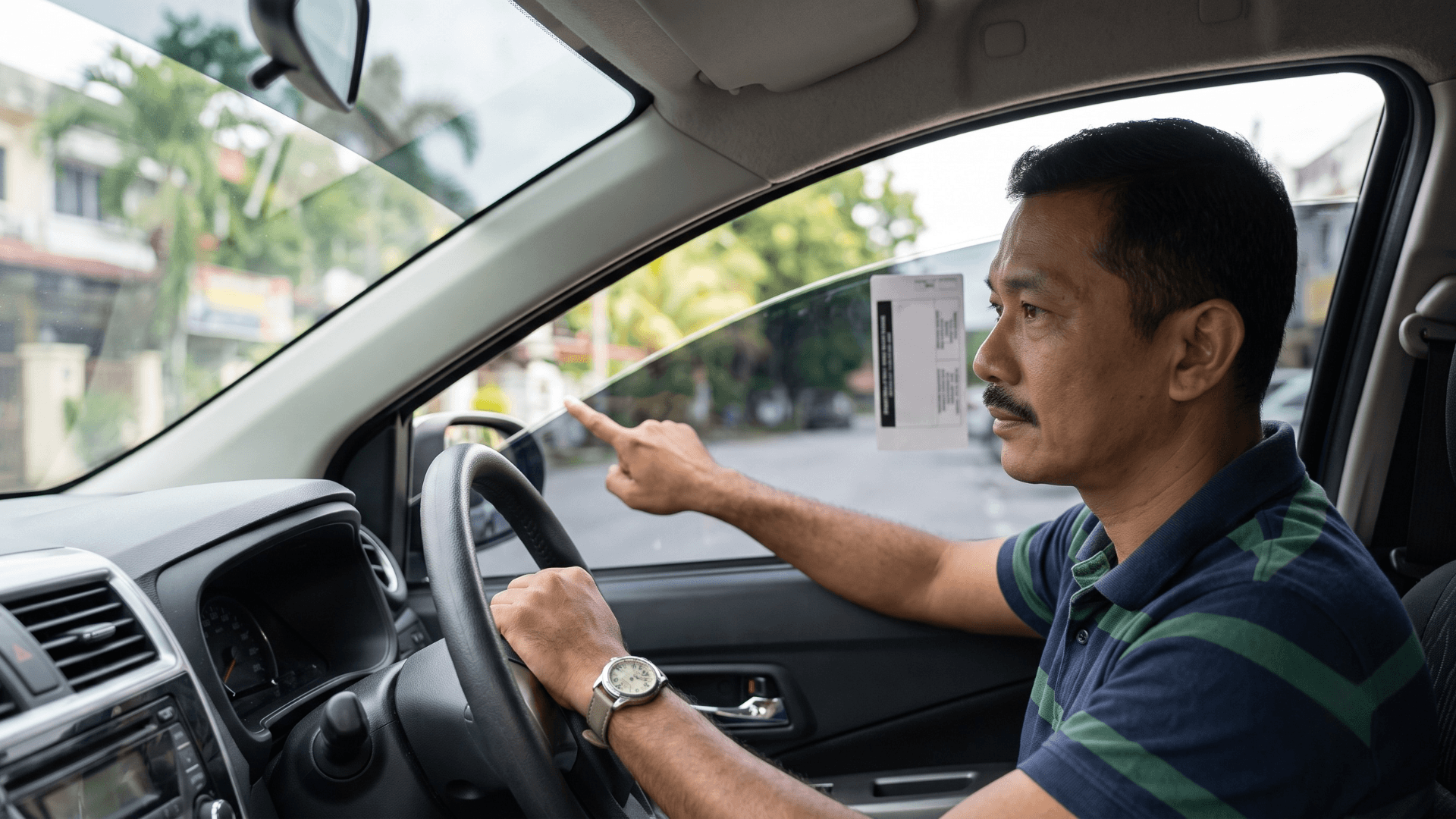
Vehicle window tinting remains one of the most popular modifications among Malaysian drivers. Besides improving privacy and enhancing a vehicle's appearance, quality window tint can also reduce heat, minimize glare, and protect passengers from harmful UV rays. However, every vehicle owner must ensure that their window tint complies with Malaysia's Visible Light Transmission (VLT) regulations.
With increased awareness of road safety and enforcement, understanding the updated 2026 VLT standards is more important than ever. Whether you are planning to tint your windows, purchase a used vehicle, or inspect your current tint, knowing the legal requirements can help you avoid unnecessary fines and ensure your vehicle remains roadworthy. This guide explains everything Malaysian motorists need to know about the latest VLT standards in 2026.
What is VLT?
Visible Light Transmission, commonly known as VLT, refers to the percentage of visible light that can pass through a vehicle's window. The higher the VLT percentage, the more light enters the vehicle. For example, a window with a VLT of 70% allows 70% of visible light to pass through, while a window with a VLT of 30% only allows 30% of visible light through, making it significantly darker.
VLT is different from heat rejection or UV protection. A high-quality window film can still reject a significant amount of heat and ultraviolet rays while maintaining a legal VLT level.
Why VLT standards matter
Window tint regulations exist primarily to ensure road safety for everyone. Drivers must have adequate visibility during the day, at night, and during heavy rain. Proper visibility helps motorists identify pedestrians, cyclists, motorcycles, traffic signs, and road hazards more quickly. It also enables law enforcement officers to see inside vehicles during routine inspections or emergencies.
Modern window tint technology allows drivers to enjoy excellent heat reduction without sacrificing visibility, making it possible to remain comfortable while complying with legal requirements.
Malaysia's updated 2026 VLT standards
As of 2026, the legal VLT requirements remain based on the standards enforced by the Road Transport Department (JPJ). The front windscreen must allow at least 70% of visible light to pass through. The front driver and front passenger side windows must allow at least 50% visible light transmission.
The rear side windows and rear windscreen may have any level of darkness, provided the driver maintains adequate rear visibility through side mirrors. These standards apply to the combined VLT of both the vehicle's original factory glass and any aftermarket tint film. Many vehicle owners mistakenly assume that purchasing a 70% tint film automatically meets legal requirements, but factory glass already absorbs some light. The final VLT is determined after both materials are combined.
How is VLT measured?
JPJ enforcement officers use specialised VLT meters to measure the amount of visible light passing through a vehicle's windows. Testing is conducted directly on the installed glass, meaning the final reading reflects the combined performance of the factory glass and the tint film rather than the tint film alone.
Because different vehicle manufacturers use different types of glass, identical tint films may produce different VLT readings on different vehicles. Professional tint installers usually perform VLT testing before installation to ensure compliance with legal requirements.
What happens if your tint does not meet the legal standard?
Driving a vehicle with illegal window tint may result in enforcement action. If your vehicle fails a JPJ inspection, you may be instructed to remove the non-compliant tint before your vehicle can pass inspection. Depending on the circumstances and prevailing regulations, motorists may also face fines or other enforcement measures.
Repeated non-compliance can create unnecessary inconvenience, particularly during routine roadblocks, vehicle inspections, or ownership transfers. For this reason, it is always advisable to verify compliance before installing window tint.
Can you apply for a tint exemption?
Yes. Malaysia allows eligible individuals to apply for special window tint exemptions under specific circumstances. Medical exemptions may be granted to individuals with certified health conditions that require additional protection from sunlight. Certain government officials and individuals with verified security concerns may also qualify, subject to approval by the relevant authorities.
Applications must be supported by the required documentation and approved before darker-than-standard window tint can be legally used. Without official approval, all vehicles remain subject to the standard VLT regulations.
Buying a used car with window tint
Many used vehicles already come fitted with aftermarket window tint. Before completing your purchase, it is worth checking whether the installed tint complies with current VLT regulations. If the tint is too dark, the responsibility for rectifying the issue typically falls on the new owner.
Requesting a VLT inspection before purchasing a used vehicle can help you avoid unexpected costs after taking ownership.
Choosing the right window tint
Selecting window tint should involve more than simply choosing the darkest available option. Modern premium tint films can deliver outstanding infrared heat rejection, UV protection, and glare reduction while remaining fully compliant with Malaysian VLT regulations.
Choosing certified products from reputable installers also helps ensure the tint performs as advertised and remains durable over time. A professional installer will understand how different tint films interact with various factory glass specifications and can recommend suitable options that meet legal requirements.
Common misconceptions about VLT
One common misconception is that darker tint always provides better heat rejection. In reality, many advanced ceramic and nano-ceramic films offer superior heat reduction while maintaining a high VLT.
Another misconception is that tint regulations only apply to aftermarket films. Enforcement is based on the total VLT of the completed window, regardless of whether the reduced light transmission comes from factory glass, aftermarket tint, or a combination of both.
Some motorists also assume that passing a tint inspection several years ago guarantees continued compliance. If tint deteriorates, bubbles, peels, or has been replaced, it is worth having it rechecked to ensure it still meets current requirements.
Staying compliant in 2026
Understanding Malaysia's VLT standards allows motorists to enjoy the benefits of window tint without risking enforcement issues.
Before installing new tint, always verify the final VLT reading rather than relying solely on the film's advertised specifications. If you are purchasing a used vehicle, include a VLT inspection as part of your overall vehicle assessment. By working with experienced installers and staying informed about current regulations, drivers can enjoy improved comfort, enhanced UV protection, and full legal compliance.
FAQ
1. What does VLT mean?
VLT stands for Visible Light Transmission. It measures the percentage of visible light that passes through a vehicle's window. A higher percentage means more light enters the vehicle, while a lower percentage results in darker windows.
2. What is the legal VLT requirement for the front windscreen in Malaysia?
The front windscreen must allow at least 70% of visible light to pass through.
3. What is the minimum VLT for the front side windows?
The front driver and front passenger side windows must have a minimum VLT of 50%.
4. Can I install very dark tint on my rear windows?
Yes. Under current Malaysian regulations, the rear side windows and rear windscreen may have any level of darkness, provided the vehicle complies with applicable requirements for rear visibility.
5. Does the tint film's advertised VLT guarantee legal compliance?
No. The final VLT depends on the combination of the factory-installed glass and the aftermarket tint film. The completed window must meet the legal requirement.
6. Can I be fined for illegal window tint?
Yes. Non-compliant window tint may result in enforcement action, including fines, inspection failures, and the requirement to remove or replace the tint.
7. Can I apply for a darker tint due to a medical condition?
Yes. Eligible individuals may apply for a special window tint exemption by submitting the required supporting documents for approval by the relevant authorities.
If you are planning to install new window tint, purchase a used vehicle, or simply want to ensure your current tint complies with Malaysia's latest VLT standards, Motorist Malaysia is here to help. Our experienced team can connect you with trusted automotive partners, provide guidance on vehicle inspections, and help you make informed decisions before buying, selling, or maintaining your vehicle. Visit Motorist Malaysia today to explore reliable automotive services and enjoy a safer, hassle-free driving experience.
Read More: JPJ mid-year enforcement 2026: 5 things that will get your road tax blacklisted this July
I want to find the highest selling price for my car within 24 hours!
Download the Motorist App now. Designed by drivers for drivers, this all-in-one app lets you receive the latest traffic updates, gives you access to live traffic cameras, and helps you manage vehicle related matters.