Should you spend money on new tyres before selling your car?
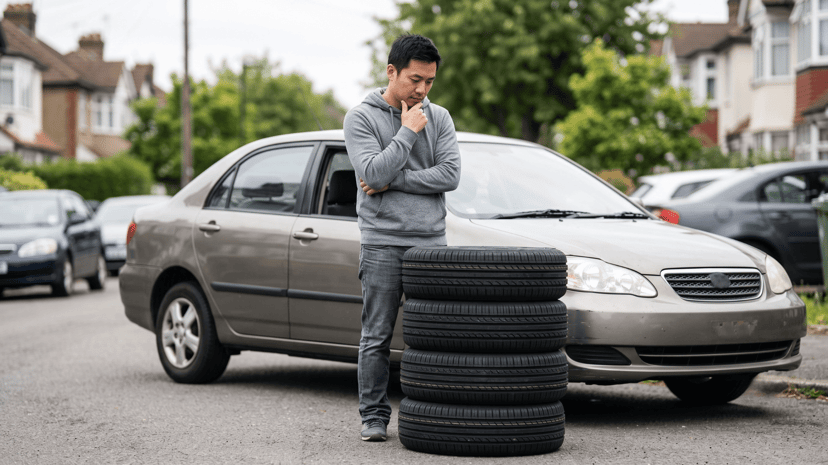
When preparing to sell a car, owners often focus on washing the exterior, cleaning the cabin and repairing visible scratches. Tyres may receive less attention, even though they are among the first components a buyer or car dealer may inspect.
Worn tyres can make an otherwise well-maintained vehicle appear neglected. They may also give buyers a reason to negotiate for a lower price. However, replacing all four tyres before selling is not always financially worthwhile.
The right decision depends on the tyres’ condition, the car’s expected selling price and whether replacing them is likely to produce a better overall return.
Why tyre condition matters when selling a car
Tyres affect safety, handling, braking and ride quality. They can also reveal how well a vehicle has been maintained. A potential buyer may look at the remaining tread, tyre age, sidewall condition and whether all four tyres match. Uneven wear can suggest possible alignment, suspension or tyre-pressure problems. Cracks, bulges and exposed internal material may raise more serious safety concerns.
Tyres are also easy for buyers to evaluate visually. Unlike internal mechanical components, worn tread or damaged sidewalls can be noticed within seconds. This means tyre condition can influence a buyer’s first impression before the vehicle is even test-driven.
When should you replace worn tyres before selling?
Replacing the tyres should be strongly considered when they are no longer safe or roadworthy. A tread depth of around 1.6 mm is commonly regarded as the minimum replacement threshold in Malaysia, as insufficient tread may reduce grip and compromise driving safety. PUSPAKOM also applies a minimum tread-depth requirement of 1.6 mm in its relevant vehicle inspection guidelines.
You should also consider replacing the tyres if they have deep cracks, exposed cords, significant sidewall damage, bulges or repeated air-pressure loss. These issues usually cannot be resolved through simple cleaning or cosmetic preparation.
A new set of tyres may also be worthwhile when the existing tyres are unevenly worn, heavily worn or fitted with mismatched sizes or unsuitable specifications. Buyers may view these conditions as signs that vehicle maintenance has been delayed.
Replacing unsafe tyres is not only about improving the car’s selling price. The vehicle may still need to be driven for inspections, appointments or delivery to the next owner. Keeping it roadworthy helps protect everyone involved in the sale.
When replacing the tyres may not be worth it
You may not need to replace tyres that still have reasonable tread, no visible damage and sufficient usable life. Most buyers do not expect a used vehicle to have completely new tyres. Normal wear is generally acceptable when it matches the car’s age, mileage and asking price.
Installing an expensive premium set shortly before selling may not increase the vehicle’s value by the same amount. A buyer may appreciate the improvement but may not be willing to pay significantly more for it.
This is especially relevant for older or lower-value vehicles. Spending a large amount on tyres may reduce the money you ultimately receive from the sale, even if it makes the vehicle easier to market. Instead, clean the tyres, check the air pressure and make sure there are no obvious punctures or safety problems. Be honest about their condition and allow the buyer to factor future replacement into the offer.
Will new tyres increase your car’s selling price?
New tyres may improve buyer confidence, but they do not automatically increase the vehicle’s market value by the full replacement cost. Car valuations are normally influenced by the vehicle’s age, model, mileage, accident history, service condition, mechanical condition and current market demand. Tyres are only one part of the overall assessment.
However, badly worn tyres can reduce an offer because the buyer or dealer must include replacement costs in the vehicle’s reconditioning budget. They may also allow the buyer to negotiate more aggressively by highlighting immediate maintenance expenses.
New tyres can therefore help protect your asking price rather than create a major increase in value. They remove one obvious objection and make the vehicle appear more ready to use.
Consider replacing only the necessary tyres
Replacing all four tyres is not always required. If only one pair is approaching the end of its usable life, replacing the affected pair may be sufficient, provided the remaining tyres are safe and compatible.
Ask a reputable tyre shop to inspect the tread, sidewalls and wear pattern before making a decision. The inspection can help determine whether replacement, rotation, alignment or balancing is needed.
Avoid choosing the cheapest available tyres simply to make them look new. Poor-quality or unsuitable tyres may not create the confidence you expect. They must match the vehicle manufacturer’s recommended size, load rating and speed rating. Keep the receipt if you purchase new tyres. This gives potential buyers proof of the replacement date, tyre model and amount paid.
Check the reason for uneven tyre wear
Uneven tyre wear should not be ignored because replacing the tyres alone may not solve the underlying problem. Wear concentrated on one edge may be connected to wheel alignment or suspension issues. Excessive wear in the centre or on both shoulders may also be associated with incorrect tyre pressure.
Have the car inspected if the wear pattern looks unusual. A buyer may notice that newly installed tyres are beginning to wear unevenly and suspect that the seller is attempting to hide a mechanical problem. Correcting the cause can make the car safer and prevent the new tyres from becoming damaged before the sale is completed.
Be transparent if you decide not to replace them
Sellers do not necessarily need to repair every worn component before listing a used car. However, the vehicle should be represented honestly. Tell potential buyers when the tyres may need replacement soon. Clear disclosure helps manage expectations and reduces the risk of disagreements after an inspection.
You can also obtain an estimated tyre replacement cost before negotiating. This allows you to decide whether accepting a slightly lower offer is more economical than purchasing the tyres yourself. For example, if replacing the tyres costs more than the expected improvement in your selling price, selling the car in its current condition may be the more practical choice.
Final verdict: Should you replace worn tyres before selling?
Replace the tyres when they are unsafe, seriously damaged or close to the minimum tread threshold. Doing so can improve roadworthiness, reduce buyer concerns and make the selling process smoother.
When the tyres still have adequate tread and no major defects, replacement may not be necessary. Clean them, maintain the correct pressure and disclose their condition accurately. The best decision is not simply to install new tyres or leave the old ones untouched. Compare the cost of replacement with the likely effect on your car’s selling price. Focus on safety first, followed by the financial return.
FAQ
1. Can I sell a car with worn tyres?
You can offer a used car for sale with tyres showing normal wear, but the vehicle should remain safe and roadworthy. Severely worn, damaged or unsafe tyres should be replaced before the car is driven to inspections or handed over to another person.
2. Do dealers check tyre condition during an inspection?
Yes. Dealers commonly examine tread condition, uneven wear, tyre age, sidewall damage and whether the tyres match. Poor tyre condition may be included in the dealer’s estimated repair or reconditioning costs.
3. Will fitting new tyres guarantee a higher offer?
No. New tyres can improve presentation and buyer confidence, but the final offer will still depend on the car’s overall condition, age, mileage, model and market demand.
4. Should I buy premium tyres before selling?
Premium tyres may not provide a full return if you intend to sell the car immediately. Safe, correctly sized and reputable tyres are generally more important than choosing the most expensive option.
5. Should I replace two tyres or all four?
This depends on the condition of the existing tyres and the vehicle’s requirements. A qualified tyre technician can check whether replacing one pair is appropriate or whether all four tyres should be changed.
6. What else should I check before selling my car?
Check the tyre pressure, lights, fluid levels, battery, brakes, warning indicators and basic mechanical condition. Clean the exterior and interior, gather the service records and prepare the necessary ownership documents.
Unsure whether replacing your tyres will help you secure a better offer? Let Motorist Malaysia help you understand your car’s current market value before you spend money on repairs. Submit your vehicle details for a free car valuation and gain access to offers from Motorist Malaysia’s network of verified buyers. Compare your options, avoid unnecessary preparation costs and sell your car through a convenient, transparent and hassle-free process with Motorist Malaysia.
Read More: Buying a used e-hailing car? Avoid these costly mistakes
I want to find the highest selling price for my car within 24 hours!
Download the Motorist App now. Designed by drivers for drivers, this all-in-one app lets you receive the latest traffic updates, gives you access to live traffic cameras, and helps you manage vehicle related matters.