That small oil leak could cost you a better used-car offer
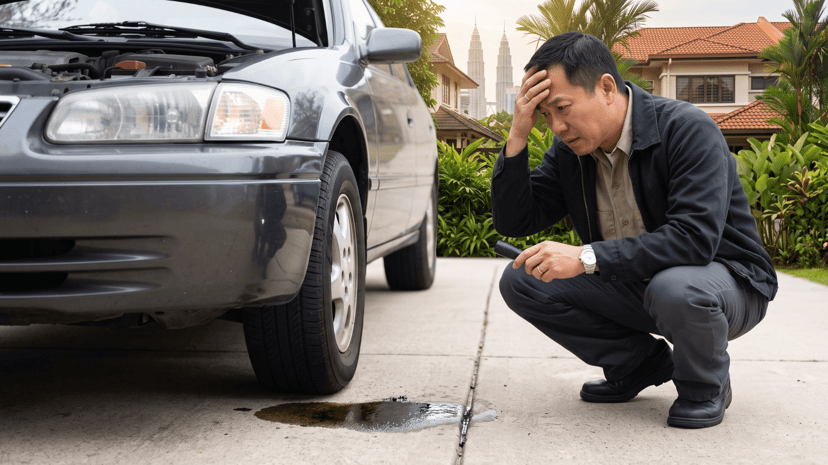
An engine oil leak may begin as a small stain on the driveway, but during a used-car inspection, it can become a major reason for a lower offer. Buyers consider what the leak may reveal about maintenance, possible engine damage and future repair costs.
An engine oil leak occurs when lubricant escapes through a damaged, loose or worn component. Common sources include the oil filter, drain plug, valve-cover gasket, oil-pan seal and crankshaft seals. Some leaks are inexpensive to repair, while others require extensive labour.
Why does an oil leak lower a used-car offer?
A used-car offer is based on the vehicle’s condition, expected resale value and preparation costs. When fresh oil is found around the engine, undertray or parking area, the buyer may need to budget for diagnosis and repairs.
The uncertainty itself can reduce the offer. An inspector cannot assume that every leak comes from a cheap gasket or loose plug, so the buyer may deduct enough money to cover a more complicated repair.
Oil leaks can also weaken confidence in the car’s maintenance history. Consumer Reports advises used-car buyers to look for oil drips, wet areas and leaking fluids because they may indicate problems requiring further investigation. A dry engine supported by service records usually creates a better impression than an oily engine with no repair documentation.
Can a small engine oil leak affect the price?
Yes. A minor seepage may still affect the valuation when its cause is unknown. It may suggest ageing seals, delayed maintenance or a fault that could become more serious. Inspectors may also check the oil level, dashboard warnings, smoke and burning smells. If the oil level becomes too low, the engine receives less lubrication, increasing friction, heat and the risk of severe mechanical damage.
Low oil pressure or low engine oil levels should not be ignored, as continuing to drive the vehicle may cause serious engine damage. The offer may therefore reflect the possibility that the car has been driven with insufficient oil. It is not only the visible stain that matters, but also the potential condition of the engine.
What does an inspector check?
An inspection usually includes the engine bay, the underside of the vehicle and the area where the car was parked. The inspector may look for wet gaskets, oil around the filter or sump, residue on the undertray and fresh drops after the engine has been running.
The oil level may also be examined. Extremely low oil, warning lights, unusual engine noise or visible smoke can increase concern. Service records help show whether regular maintenance was completed and whether a previous leak was repaired correctly.
PUSPAKOM explains that voluntary vehicle inspections help owners understand a vehicle’s condition and identify maintenance needed to support roadworthiness. Although a used-car valuation is different from a statutory inspection, early detection and proper repair make a vehicle easier to assess.
Should you repair the leak before selling?
Repairing the leak may improve your offer when the cause is clear and the cost is reasonable. Begin with a professional diagnosis. Ask the workshop to identify the source, confirm whether the leak is active and provide a written quotation.
Simple problems involving an accessible gasket, washer, filter or drain plug may be worth fixing before valuation. For expensive repairs, compare the workshop quotation with the likely improvement in the selling price.
A large repair bill does not always produce an equal increase in the offer. For example, spending thousands of ringgit on an older car may not be worthwhile if the repair only increases the selling price slightly. Keep the invoice after the repair. Documentation shows that the problem was corrected rather than temporarily cleaned. It also gives the buyer more confidence that the work was completed by a workshop.
Avoid using additives to disguise the leak or washing the engine immediately before inspection. If fresh oil returns while the engine is running, buyer confidence may fall and the offer could be revised.
How should you prepare for a valuation?
Check the oil level according to the owner’s manual and look for fresh stains beneath the car. Arrange a workshop inspection if the oil level keeps falling, the oil-pressure warning appears, smoke develops or there is a strong burning smell.
Present your service history and repair invoices during the valuation. Be honest about known faults. Clear disclosure helps the buyer assess the car accurately and may reduce unexpected price changes after a detailed inspection.
A properly documented repair may not remove every deduction, especially if the car has other mechanical issues. However, it can reduce uncertainty and demonstrate that the vehicle has been maintained responsibly.
FAQ
1. Will an oil leak make my car impossible to sell?
No. A car with an engine oil leak can still be sold. However, the offer may be adjusted according to the leak’s severity, estimated repair cost and possible mechanical risk.
2. How much will an oil leak reduce my used-car offer?
There is no fixed amount. The reduction depends on the source of the leak, labour required, vehicle model, age, overall condition and whether there are signs of engine damage.
3. Is it better to repair the leak before requesting an offer?
It may be worthwhile when the repair is affordable and properly documented. For a costly repair, compare the likely improvement in the selling price with the workshop quotation before proceeding.
4. Can I clean the engine before inspection?
Cleaning the engine does not repair a leak. If fresh oil appears during the inspection, the buyer may suspect that the problem was hidden, which could reduce confidence in the vehicle.
An engine oil leak should not stop you from checking your car’s current market value. Submit your vehicle details to Motorist Malaysia for a free valuation and receive competitive offers from verified buyers. Motorist Malaysia can also assist with inspection arrangements, paperwork and the ownership-transfer process. Sell your car with greater clarity, less hassle and support throughout the transaction.
Read More: EV road tax Malaysia 2026 explained: How much should you pay?
I want to find the highest selling price for my car within 24 hours!
Download the Motorist App now. Designed by drivers for drivers, this all-in-one app lets you receive the latest traffic updates, gives you access to live traffic cameras, and helps you manage vehicle related matters.