Pet owners selling cars: How fur, smell and scratches affect value
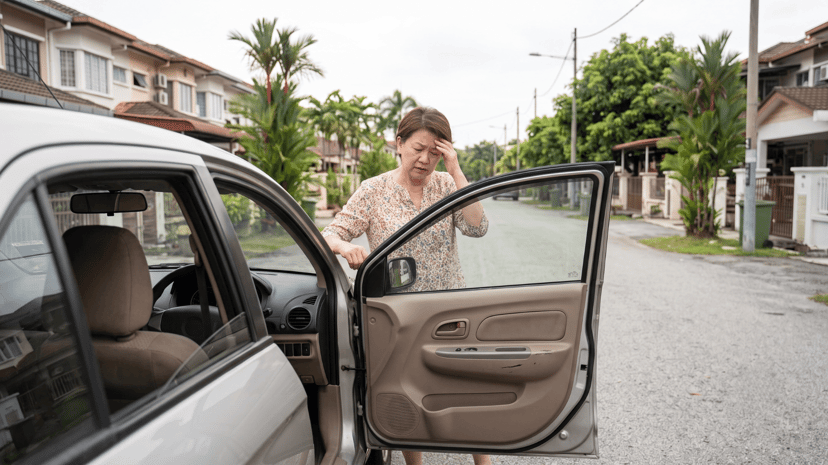
For many Malaysians, pets are regular passengers. Dogs may travel to parks, veterinary appointments or family outings, while cats are often transported in carriers. Although these journeys create good memories, they can leave fur, smells, stains and scratches inside the vehicle.
When it is time to sell, these signs may affect how buyers assess the car. Pet ownership does not automatically make a vehicle less valuable. However, visible or persistent interior damage can increase the amount of cleaning and repair required, causing buyers to adjust their offers. Understanding how pet-related wear affects car value can help owners prepare their vehicles properly before an inspection.
What is pet-related interior damage?
Pet-related interior damage refers to physical wear, contamination or odours caused by regularly transporting animals in a vehicle. Common examples include fur trapped in carpets, saliva marks on windows, claw scratches on door panels, damaged seat material and unpleasant smells absorbed by upholstery.
Pet dander may also remain in fabric, carpets and air-conditioning areas even after visible fur has been removed. Regular cleaning can help control this buildup, although deeply embedded particles may require professional detailing or more intensive treatment.
Does pet fur reduce a car’s value?
A small amount of loose fur will not usually cause a major reduction in value. However, excessive fur may create a poor first impression during inspection. Animal hair can become trapped between seat cushions, beneath floor mats, inside boot carpeting and around seat rails. Short or stiff fur can be especially difficult to remove from fabric upholstery.
Buyers may view a heavily fur-covered interior as evidence that the car has not been cleaned regularly. They may also expect to pay for professional detailing before reselling or using the vehicle. That expected cost may be reflected in a lower offer. Removing as much fur as possible before inspection can therefore improve the car’s presentation and make its condition easier to assess.
Why pet smell can be a bigger concern
Pet odour can have a greater impact than visible fur because buyers may not know whether the smell can be removed completely. It may come from wet fur, saliva, pet bedding, food, urine or accidents inside the car. Over time, these odours can be absorbed by the seats, carpets, roof lining and ventilation system.
Air fresheners may mask the smell temporarily, but they do not remove the source. A strong fragrance combined with pet odour may even make buyers think that an underlying issue is being hidden.
Persistent smells may require deep upholstery cleaning, steam treatment, cabin filter replacement or specialised odour removal. Buyers who expect these additional costs may lower their offer accordingly.
How scratches and damaged upholstery affect an offer
Pets can scratch plastic trim, leather seats, door cards and boot panels when entering, moving around or looking through windows. Light marks on hard plastic may be considered normal wear. Deep scratches, punctured leather, torn fabric or damaged door seals are more serious because they may require repairs or replacement parts.
The effect on value depends on the severity, location and visibility of the damage. A few small marks in the boot may have limited impact. Large scratches across a leather seat or door panel are more noticeable and may significantly affect the vehicle’s interior condition rating.
Sellers should avoid using unsuitable repair products that create uneven colouring or make the damage more obvious. Professional advice may be worthwhile when the affected material is expensive or difficult to match.
Should you professionally detail the car before selling?
Professional detailing may be useful when ordinary vacuuming cannot remove embedded fur, stains or odours. A proper interior treatment may include vacuuming beneath the seats, cleaning upholstery, shampooing carpets, treating stains and clearing debris from narrow areas. The cabin air filter should also be checked if the smell becomes stronger when the air-conditioning system is operating.
However, sellers should compare the detailing cost with the likely improvement in presentation. Expensive repairs may not always produce an equal increase in the final offer. The goal is not to make an older car look brand new. It is to present it honestly in a clean, hygienic and well-maintained condition.
How to protect your car when travelling with pets
Using washable seat covers, boot liners and secured pet carriers can reduce future damage. Pet owners should also clean loose fur frequently instead of allowing it to build up over time.
Any spills or accidents should be cleaned promptly because moisture can carry odours deeper into carpets and seat padding. Keeping pets properly secured can also limit movement around the cabin and reduce scratches.
Regular cleaning protects the interior throughout ownership and makes the vehicle easier to prepare when it is eventually sold.
Be honest about permanent pet damage
Do not attempt to hide major stains, tears or persistent smells. Buyers may discover them during inspection and revise their offers after spending additional time assessing the vehicle.
A transparent explanation creates more realistic expectations. Service records, cleaning receipts and evidence of professional repairs may also help demonstrate that the car has been maintained responsibly.
Pet use is only one part of the valuation. Buyers will also consider the vehicle’s age, mileage, mechanical condition, accident history, service record and market demand.
FAQ
1. Can I sell a car that has been used to transport pets?
Yes. Cars that regularly transport pets can still be sold. The final offer will depend on the overall condition and whether any fur, smell, stains or scratches require professional cleaning or repair.
2. Will pet hair automatically lower my car’s value?
Not necessarily. A small amount of removable fur is unlikely to have a major effect. Excessive or deeply embedded hair may reduce the offer if the buyer expects additional detailing costs.
3. Can an air freshener remove pet smell from a car?
An air freshener normally masks odours rather than removing their source. Cleaning the affected upholstery, carpets and ventilation areas is more likely to produce a lasting improvement.
4. Should I repair every scratch before selling?
Minor scratches may not justify expensive repairs. Deep marks, torn upholstery and damage in highly visible areas should be assessed based on the repair cost and their likely effect on the offer.
5. How can I get a fair offer for my pet-friendly car?
Clean the interior thoroughly, disclose permanent damage honestly and compare offers from credible buyers. A proper inspection will provide a clearer assessment based on the car’s complete condition rather than pet use alone.
Sell your car confidently with Motorist Malaysia
Pet fur, smells and scratches do not have to prevent you from getting a competitive offer. Motorist Malaysia connects you with a network of verified buyers who compete to offer a strong price for your vehicle. Simply submit your car details to receive a free valuation with no obligation. Motorist Malaysia can also assist with inspection arrangements, paperwork and making the selling process simpler from start to finish.
Read More: That strange car noise could lower your selling price
I want to find the highest selling price for my car within 24 hours!
Download the Motorist App now. Designed by drivers for drivers, this all-in-one app lets you receive the latest traffic updates, gives you access to live traffic cameras, and helps you manage vehicle related matters.