Child car-seat mistakes Malaysian parents should avoid
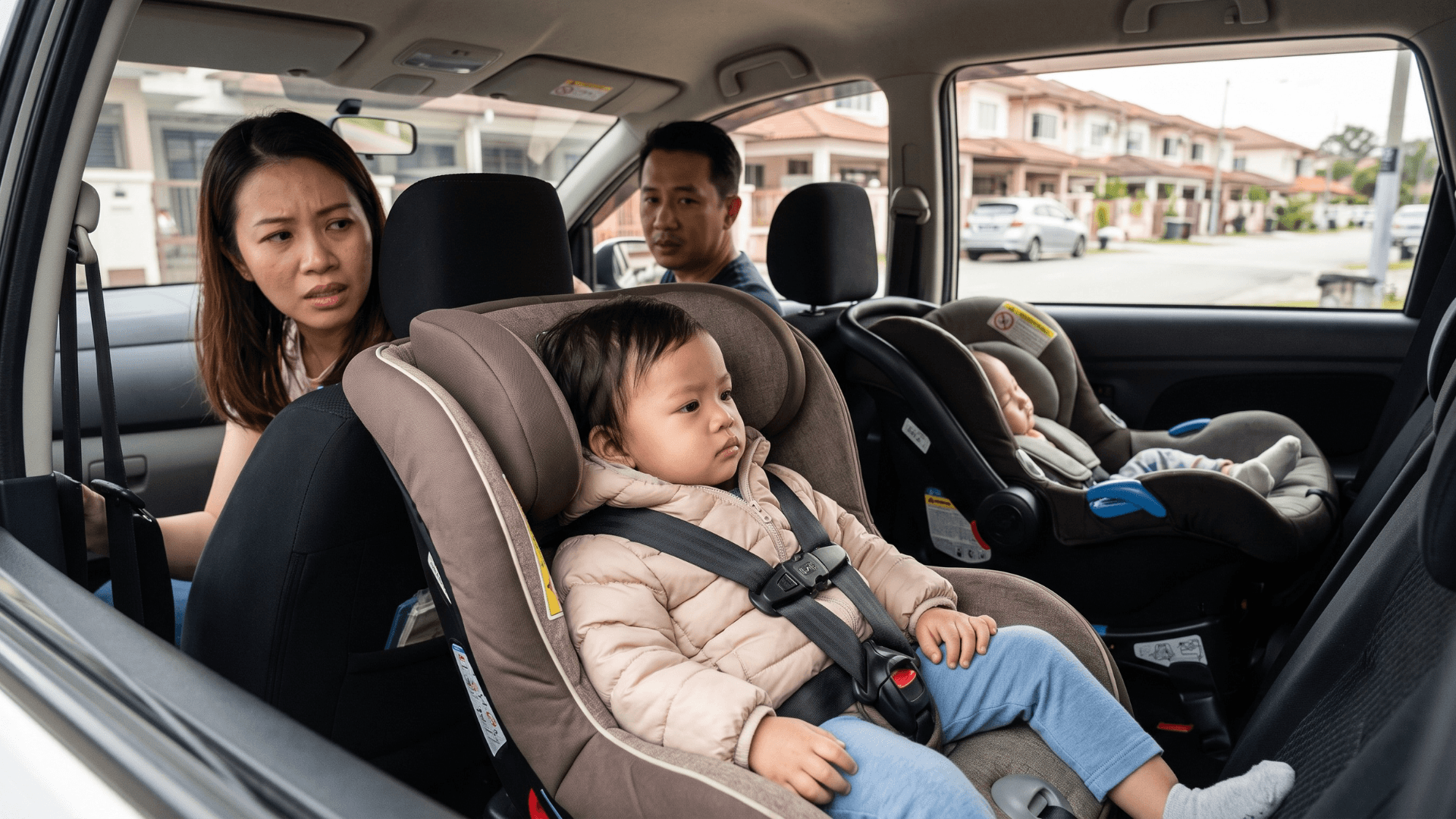
A child car seat can significantly improve a young passenger's protection during a collision, but simply having one in the car is not enough. The seat must match the child, be installed correctly and be used properly on every journey. In Malaysia, the use of a Child Restraint System, or CRS, in private vehicles has been implemented since January 2020.
According to the Road Transport Department, or JPJ, CRS use applies to children under 12 years old, weighing less than 36 kg and measuring under 136 cm. Child restraint systems must also comply with UN Regulation R44 or R129. Understanding the following common mistakes can help Malaysian parents make safer choices when travelling with children.
Choosing a car seat based only on age
One of the biggest mistakes is assuming that age alone determines which car seat a child needs. Children grow at different rates, so parents should check the manufacturer's height and weight limits. A child who has outgrown a seat may not receive the protection it was designed to provide. Moving a child into the next stage too early can also affect how securely the restraint works.
UN Regulation R129, commonly associated with i-Size child seats, places greater emphasis on a child's height. It also requires rear-facing travel until at least 15 months old, providing additional protection for a baby's developing head and neck.
Turning the child forward-facing too early
Some parents switch their child to a forward-facing position when the child's legs begin to bend or the rear-facing seat appears uncomfortable.
However, bent legs do not automatically mean that a child has outgrown a rear-facing CRS. Parents should instead follow the maximum height and weight limits stated by the manufacturer.
International child passenger safety guidance recommends keeping children rear-facing until they reach the seat's permitted height or weight limit. Rear-facing seats help distribute collision forces across a larger area of the child's back.
Installing the car seat too loosely
Even the correct CRS may provide less protection if it is not installed securely. A child car seat should be fitted firmly according to the manufacturer’s instructions, with minimal movement once installed. Parents should regularly check that the seat remains secure, especially after it has been removed, adjusted or transferred between vehicles.
ISOFIX is not the only installation method available. Depending on the CRS design and vehicle, some child car seats can also be installed using a three-point seat belt. Parents should always follow the installation instructions provided with the CRS and refer to the vehicle owner’s manual to ensure the seat is fitted correctly.
Leaving the harness too loose
A firmly installed seat can still be unsafe if the child is not properly secured. Harness straps should lie flat against the child's body without being twisted. Parents can check for excessive slack around the shoulder and tighten the harness according to the manufacturer's instructions.
Thick clothing, cushions and unapproved padding should not be placed between the child and the harness. Extra material can create additional space and prevent the restraint from fitting as closely as intended.
Using the wrong belt path or anchor
Convertible car seats can have different installation instructions depending on whether they are rear-facing or forward-facing. Using the wrong belt path may prevent the CRS from being secured as designed. Parents should check the labels printed on the child seat before installation.
For forward-facing seats that require a top tether, the tether should be connected to the vehicle's designated tether anchor. It should not be attached to another hook or cargo point simply because it appears convenient.
Putting a rear-facing seat in front of an active airbag
Parents should be particularly careful when installing a child restraint in the front passenger seat. JPJ states that a rear-facing CRS can only be installed in the front passenger position when the airbag has been deactivated. Parents should check their vehicle manual before considering a front-seat installation.
Buying a CRS without checking its certification
Price, appearance and online reviews should not be the only factors considered when buying a child car seat. JPJ states that compliant child restraint systems must have valid certification under UN Regulation R44 or R129. They should also carry the relevant approval marking, commonly known as the E-Mark.
Parents considering a second-hand CRS should also check its history, condition and manufacturer's instructions. Missing components or an unknown history can make it difficult to know whether the seat remains suitable for use.
Why correct child car-seat use matters
Child restraint systems are designed to limit a child's movement and distribute crash forces across stronger parts of the body. According to the World Health Organization, appropriate and correctly fitted child restraints can result in substantially fewer deaths among children travelling in vehicles.
For Malaysian parents, the safest habit is to regularly check the child's height and weight, inspect the installation and make sure the harness still fits correctly. A few minutes spent checking the CRS before a journey could make an important difference if an accident occurs.
FAQ
1. Do children in Malaysia need to use a child car seat?
JPJ states that CRS use applies to children under 12 years old, weighing less than 36 kg and measuring under 136 cm, subject to specific exemptions provided under the policy.
2. What child car-seat standards are recognised in Malaysia?
Malaysia requires compliant CRS products to meet UN Regulation R44 or R129 standards. Approved seats should carry the relevant certification and E-Mark.
3. Can I use a child car seat if my car does not have ISOFIX?
Yes. Depending on its design, a CRS may be installed using a three-point vehicle seat belt. Parents should follow the installation instructions provided by the CRS manufacturer.
4. Can a rear-facing CRS be installed in the front seat?
It may be possible depending on the CRS and vehicle, but JPJ states that the passenger airbag must be deactivated when a rear-facing child restraint is installed in the front.
Make every family journey safer with Motorist Malaysia
The right child car seat is an important part of family road safety, but having a suitable and dependable vehicle matters too. If your current car no longer meets your family's needs, Motorist Malaysia can help you request a free car valuation and connect with trusted buyers through a simple and convenient process. Compare competitive offers for your vehicle and take the next step towards finding a car that better suits your family's changing needs.
Read More: Owner liability under the road transport act: What happens when someone else drives your car?
I want to find the highest selling price for my car within 24 hours!
Download the Motorist App now. Designed by drivers for drivers, this all-in-one app lets you receive the latest traffic updates, gives you access to live traffic cameras, and helps you manage vehicle related matters.