EV insurance in Malaysia 2026: How it differs from petrol car cover
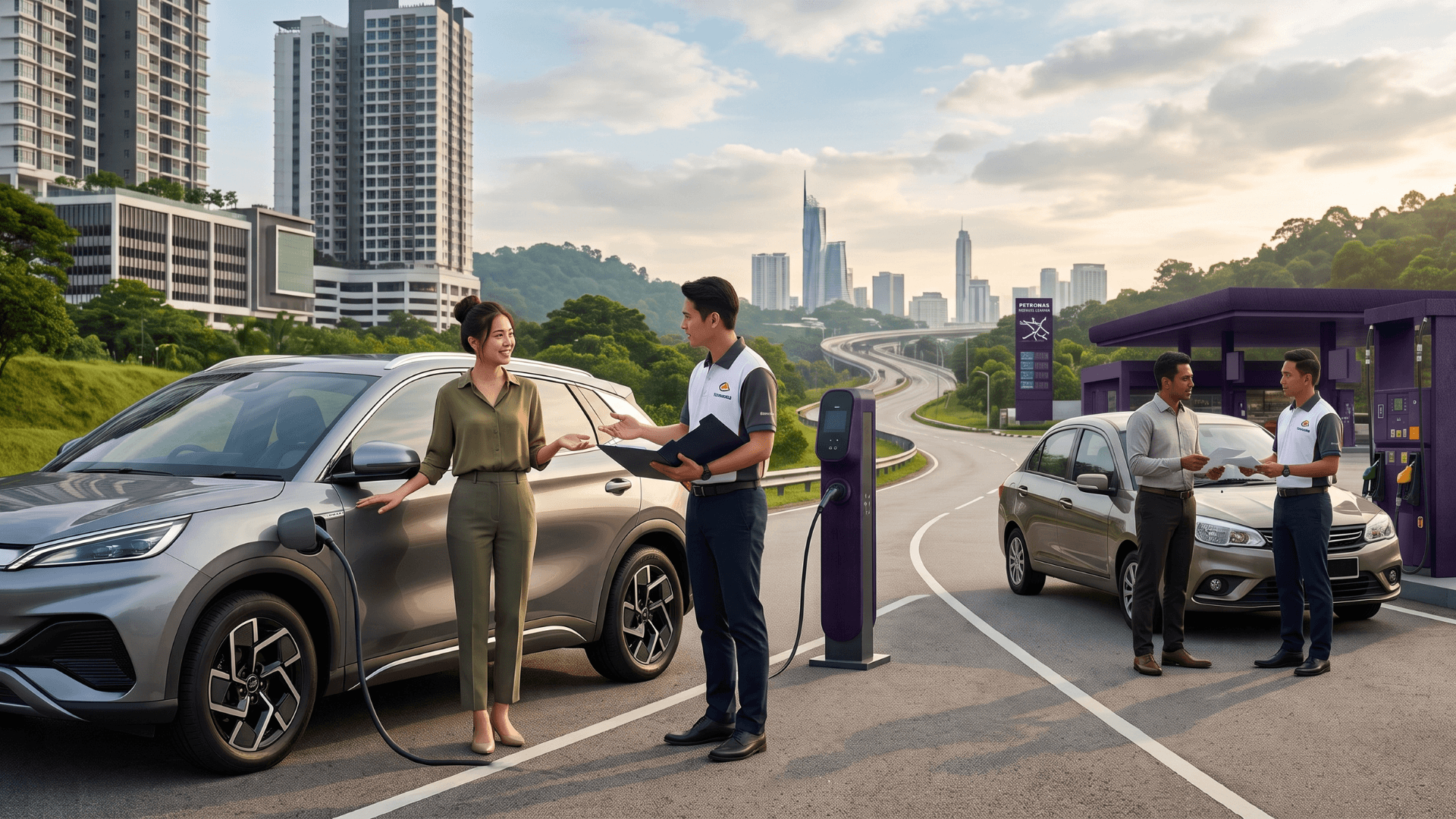
Electric vehicles are no longer a novelty on Malaysian roads. Between more affordable models entering the market, expanding charging networks, and a growing appetite for lower running costs, EV adoption has been climbing steadily. But many first-time EV buyers hit the same surprise when they go to insure their new car: it isn't quite the same process as insuring a petrol or diesel vehicle.
The underlying framework comprehensive, third-party, fire and theft still applies, but the pricing, the coverage details, and the fine print work differently enough that it pays to understand them before you sign a policy. Here's what actually changes when you swap a combustion engine for a battery pack.
Why EV premiums tend to run higher
The most common question EV owners ask is simply why their quote looks steeper than what they paid for a comparable petrol car. A few factors drive this. First, EVs generally carry a higher sum insured than a similarly sized petrol car, because the vehicle itself costs more to replace, and insurers price comprehensive cover largely off that value. Second, the battery pack and the electric drivetrain are specialised, expensive components. A collision that would mean a straightforward panel-beating job on a petrol car might, on an EV, involve battery diagnostics, high-voltage system checks, or component replacement that costs meaningfully more than conventional bodywork. Third, Malaysia's pool of workshops and technicians trained and certified to work on EVs safely is still growing. Fewer specialist repairers means less competitive pricing on labour and parts, and insurers factor that scarcity into their risk assessment. None of this means EV insurance is automatically unaffordable, but it does explain why a straight dollar-for-dollar comparison with your old petrol policy can be misleading.
What comprehensive EV policies typically cover
At its core, a comprehensive EV policy covers much the same ground as a comprehensive petrol car policy: damage to your own vehicle from an accident, fire, theft, and third-party liability for injury or damage you cause to others. For EVs, this extends to damage sustained by the battery and drivetrain as a direct result of a covered accident, so if you're in a collision and the impact damages the battery housing or electric motor, that's generally treated the same way a damaged engine block would be on a petrol car. Where it gets more nuanced is in the areas unique to how EVs are built and used, and this is exactly where it pays to read the policy wording closely rather than assume it works like your old plan.
Exclusions and grey areas worth checking
A few areas consistently trip up EV owners because they sit outside what a typical accident claim covers. Battery degradation, the gradual loss of capacity that happens over years of normal charging and use, is a wear-and-tear issue rather than an insurable event, and most policies exclude it the same way a petrol policy excludes engine wear from age. Water damage is another grey area: general flood or water damage to the vehicle may be covered under flood-related add-ons, but damage specifically tied to charging equipment or charging behaviour for instance, charging in unsafe wet conditions can fall into a more ambiguous space depending on how the policy is worded. Unauthorised or non-compliant third-party charging equipment is a third sticking point; if you're using an aftermarket wallbox or adapter that hasn't been properly installed or certified, damage arising from that setup may not be covered. The practical takeaway is to ask your insurer directly, in writing if possible, how each of these scenarios is treated before you need to find out the hard way.
Add-ons worth considering for EV owners
Because EV ownership introduces equipment and handling needs that petrol drivers never had to think about, a few optional add-ons are worth a look even if they weren't relevant to your last policy. Home wallbox charger cover protects the charging unit installed at your house, which is a piece of electrical equipment sitting outside the vehicle itself and therefore outside standard motor cover unless you specifically add it. Roadside assistance is another area where EVs have particular needs: many EVs should not be towed conventionally with the wheels on the ground, since that can damage the electric motor or drivetrain, so flatbed towing is generally the required method. Not every standard roadside assistance package specifies flatbed towing, so it's worth confirming this explicitly rather than assuming your existing add-on covers it. Depending on your usage pattern, you might also look at cover for charging cables and portable charging accessories, which are easy to damage or have stolen and aren't always bundled into a base policy.
How NCD carries over from a petrol car to an EV
One thing that doesn't change when you move from petrol to electric is your No Claim Discount. NCD is attached to you as the policyholder and your claims history, not to the specific vehicle you're driving, so a clean record built up over years on a petrol car transfers across when you register your EV under your name and switch your policy over. This is worth knowing because it's easy to assume, incorrectly, that a new type of vehicle means starting your discount from zero. It doesn't. What can vary is how individual insurers weigh other risk factors alongside your NCD when pricing an EV policy, which is part of why it's worth shopping around rather than automatically renewing with the same insurer out of habit.
Getting a better EV insurance quote
Because EV pricing varies more between insurers than petrol car pricing tends to, comparing quotes from multiple providers matters more here than it might have for your last car. Insurers are still refining how they assess EV risk, and that variation shows up in real premium differences for what is otherwise an identical policy. When comparing, make sure your existing NCD is applied and reflected accurately, since a quote that looks cheap but hasn't factored in your discount isn't actually the better deal. It's also worth asking each insurer directly whether they have an EV-specific panel workshop or certified repair network, since this affects both how smoothly a claim gets processed and how confident you can be that repairs are done safely on high-voltage components. A little extra homework at the quoting stage tends to save both money and hassle later.
FAQ
1. Is EV insurance more expensive than petrol car insurance in Malaysia?
It often runs higher, mainly because EVs typically have a higher sum insured and their battery and drivetrain components can be costlier to repair or replace than conventional engine parts. That said, pricing varies by insurer and by model, so it's worth comparing quotes rather than assuming a fixed markup, and the gap has been narrowing as insurers gain more experience with EV risk.
2. Does EV insurance cover battery damage?
Generally, yes, when the damage results from a covered event like an accident, fire, or theft comprehensive policies extend to the battery and drivetrain much as they would to an engine. Gradual battery degradation from normal use and ageing is a different matter and is typically treated as wear and tear, which isn't an insurable event. Always check the specific wording with your insurer.
3. Do I need a special add-on for home charging equipment?
If you have a home wallbox or dedicated charging setup, it's worth checking whether your base policy covers it or whether you need a separate add-on, since charging equipment sits outside the vehicle and isn't always included automatically. Given how essential home charging is for most EV owners, this is one of the first add-ons worth asking about.
4. Does NCD (No Claim Discount) transfer if I switch from a petrol car to an EV?
Yes. NCD is linked to you as the driver and your claims history, not to any particular vehicle, so it carries over when you move from a petrol car to an EV under the same policyholder.
5. Are there government incentives that reduce EV insurance costs in Malaysia?
Government support for EVs in Malaysia has generally focused on areas like purchase incentives and road tax rather than insurance premiums directly, but policies and incentive schemes do change over time. It's a good idea to check the latest official announcements or ask your insurer directly, rather than relying on outdated information, since this is an area that shifts fairly frequently.
Compare EV insurance quotes with Motorist Malaysia
Insuring an EV shouldn't feel like navigating uncharted territory, but as this article shows, there are enough differences from petrol car cover that a bit of comparison shopping goes a long way. Motorist Malaysia's insurance comparison service lets you check quotes from multiple insurers side by side, so you can see how premiums, coverage details, and add-ons stack up for your specific EV model without having to contact each provider individually.
Whether you're insuring your first EV or renewing a policy on one you've owned for a while, comparing quotes helps make sure your NCD is properly applied, your battery and charging equipment are covered the way you expect, and you're not paying more than you need to for the same protection. It only takes a few minutes to see what's available, and it's a useful habit to build into every renewal as Malaysia's EV insurance market continues to mature.
Read More: How to spot a flood damaged used car in Malaysia (2026 checklist)
I want to find the highest selling price for my car within 24 hours!
Download the Motorist App now. Designed by drivers for drivers, this all-in-one app lets you receive the latest traffic updates, gives you access to live traffic cameras, and helps you manage vehicle related matters.