Malaysia barrier-free tolls: MLFF tech is already here
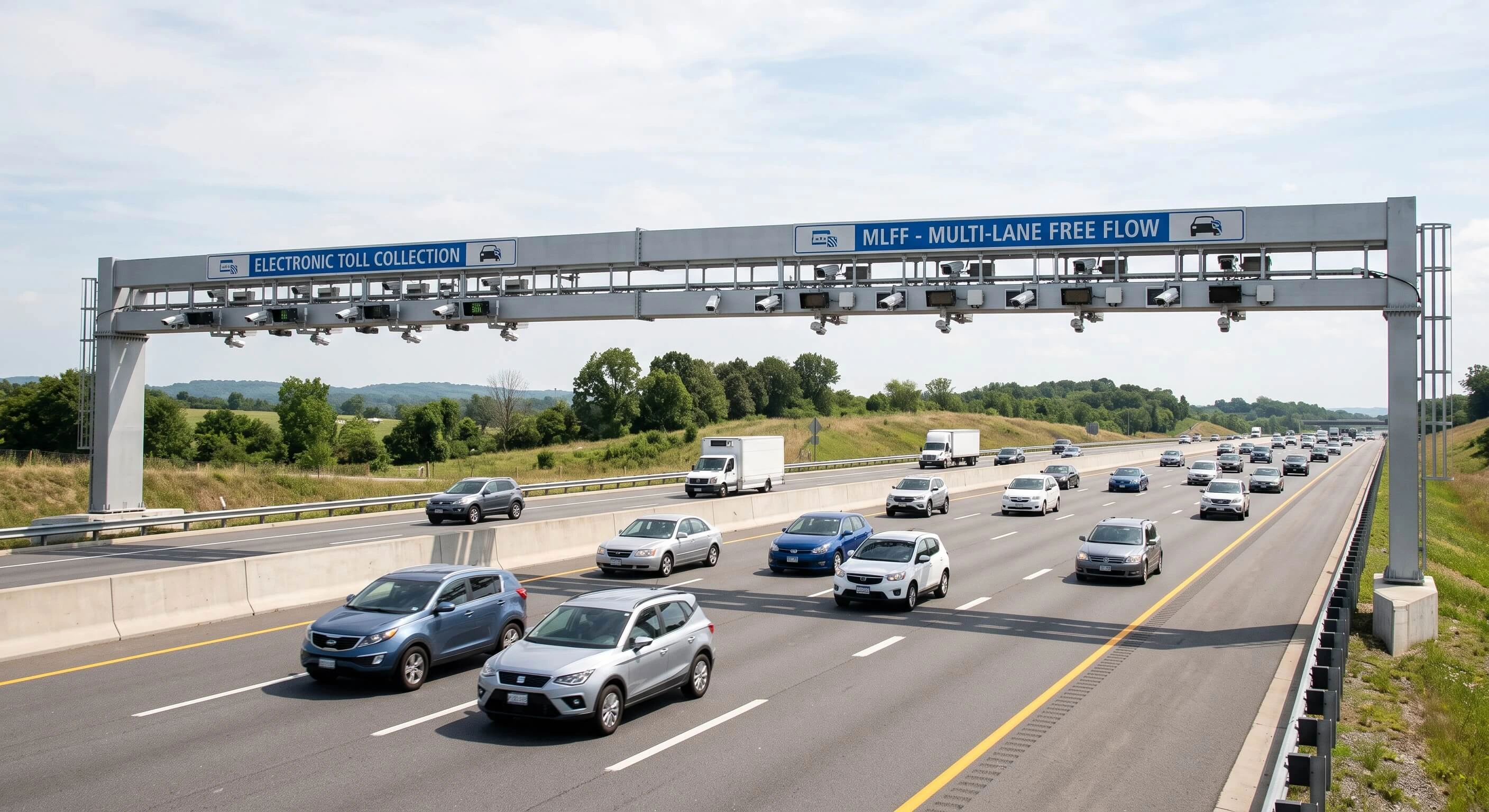
Malaysia does not have nationwide barrier-free tolling yet, but the technology behind Multi-Lane Fast Flow (MLFF) is already being developed and deployed through Enhanced RFID and ANPR systems.
The government is giving highway concessionaires and other stakeholders more time to finalise the MLFF framework, while Touch ’n Go is adding 10 Enhanced RFID lanes by the end of 2026 across five highways.
For Malaysian motorists, this means the transition towards barrier-free tolling is already happening in stages even though the nationwide system has not been finalised.
Key takeaways
- Malaysia does not have nationwide MLFF yet: The government is still allowing stakeholders more time to finalise the implementation framework.
- 10 new Enhanced RFID lanes are planned: Touch ’n Go will add 10 lanes across five highways by the end of 2026.
- Enhanced RFID combines technologies: The system uses RFID together with ANPR and other vehicle-detection technology.
- ANPR toll payments already exist: JustGO uses cameras and image-recognition technology to identify vehicle number plates for toll payments on participating PLUS highways.
- MLFF is different from today's RFID and ANPR lanes: Current systems are part of the technology transition and should not be treated as confirmation of the final nationwide MLFF setup.
What is Malaysia’s MLFF toll system?
MLFF stands for Multi-Lane Fast Flow, a barrier-free tolling concept designed to allow vehicles to pass through toll points without stopping at conventional toll barriers.
Instead of requiring drivers to choose a dedicated payment lane and stop at a toll booth, the system uses technologies such as vehicle identification, number-plate recognition and electronic payment to process the toll.
Malaysia's implementation is still being worked out. On 30 September 2026, Works Minister Datuk Seri Alexander Nanta Linggi said stakeholders had been given more time to finalise the arrangements, with implementation following a business-to-business model involving highway concessionaires and other interested parties.
Why isn't MLFF nationwide yet?
The challenge is not simply installing cameras. Malaysia has multiple highway concessionaires, toll operators, payment systems and infrastructure arrangements that need to work together.
The government has therefore allowed the relevant parties to negotiate the commercial and technical arrangements rather than rushing into a nationwide rollout.
This means motorists should not expect every Malaysian toll plaza to suddenly become barrier-free in 2026.
Enhanced RFID is already moving forward
Touch ’n Go is expanding its Enhanced RFID network as Malaysia works towards faster and eventually barrier-free tolling. The company announced 10 additional Enhanced RFID lanes by the end of 2026 across five highways.
The 10 planned lanes are:
| Highway | Toll plaza | New lanes |
|---|---|---|
| MEX | Putrajaya | 2 |
| SILK | Sungai Ramal | 2 |
| Grand Sepadu Highway | Bukit Raja | 2 |
| GCE | Bukit Jelutong | 2 |
| EKVE | Sungai Long | 1 |
| EKVE | Ampang | 1 |
| Total | 6 toll plazas | 10 lanes |
Two Enhanced RFID lanes are already operating at the Dato Keramat toll plaza on AKLEH and Putrajaya toll plaza on MEX.
How does Enhanced RFID work?
Enhanced RFID adds additional vehicle-detection technology to conventional RFID. The upgraded system combines RFID with ANPR and other technology to improve vehicle detection and transaction reliability.
Existing Touch ’n Go RFID users do not need to get a new RFID tag simply to use the Enhanced RFID lanes. The lanes can be identified by the gold star symbol on the RFID signage.
ANPR is another step towards smarter tolling
ANPR means Automatic Number Plate Recognition. Instead of relying solely on an RFID tag, cameras identify the vehicle's registration plate using image-recognition technology.
JustGO currently provides ANPR toll payment on participating PLUS highways. According to its current FAQ, ANPR is available for Class 1 vehicles, including passenger cars such as sedans, SUVs, MPVs and small pick-ups.
The system is designed to process toll payments using a linked bank card, providing another digital payment option for motorists.
RFID vs ANPR vs MLFF
These technologies are related, but they are not the same thing.
| Technology | How it identifies the vehicle | Requires stopping at a conventional toll barrier? | Malaysia status |
|---|---|---|---|
| Touch ’n Go Card | Physical payment card | Yes | Existing |
| SmartTAG | Electronic toll device | Yes | Existing |
| RFID | RFID tag | Yes, at conventional RFID lanes | Existing |
| Enhanced RFID | RFID + ANPR and additional detection | Uses enhanced toll lanes | Expanding in 2026 |
| ANPR | Vehicle number plate | Depends on the toll setup | Available on participating PLUS locations |
| MLFF | Multiple automated vehicle-identification technologies | No conventional barrier | Nationwide framework still being finalised |
The important distinction: Enhanced RFID and ANPR are technologies that can support smarter toll collection, while MLFF refers to the broader barrier-free tolling system.
What does this mean for Malaysian drivers?
For now, motorists should continue using the payment method supported by the highway they are travelling on.
The arrival of ANPR cameras or Enhanced RFID lanes does not mean every toll plaza has already converted to MLFF. Existing RFID users also do not need to remove their tags simply because additional vehicle-detection technology is being introduced.
The transition is better understood as a gradual move:
TNG Card → SmartTAG → RFID → Enhanced RFID/ANPR → MLFF
The eventual MLFF system will require vehicle identification, payment processing and enforcement to work across participating highways without conventional toll barriers.
What happens to toll plazas under MLFF?
The biggest change for motorists would be the removal of the need to stop at conventional toll barriers. Instead, vehicles could pass through designated points while the system automatically identifies and charges them.
That could reduce the stop-and-go movement currently associated with traditional toll plazas and potentially make traffic flow more continuous.
However, the exact nationwide implementation model has not been finalised as of 30 September 2026. The government has said discussions between concessionaires and other interested parties are still ongoing.
What should drivers prepare for?
Keep your current toll-payment setup working until your regular highways officially support another system. If you use RFID, make sure your tag remains properly installed and your linked payment account has sufficient funds.
For drivers using ANPR-based toll payment, make sure the vehicle registration details and payment information in the relevant system are correct.
Old way vs Motorist App
MLFF is designed to make tolling more seamless. The Motorist App focuses on simplifying the wider process of managing vehicle ownership.
| Task | Old way | Motorist App |
|---|---|---|
| Road tax & insurance reminders | Manually track expiry dates | Get timely reminders in the app |
| Summons | Check different channels manually | Receive fine alerts and make payments |
| Traffic updates | Search multiple sources | View real-time traffic cameras and updates |
| Motoring questions | Search online or contact different providers | Ask AutoConcierge through in-app chat |
| Vehicle transactions | Contact providers individually | Get competitive quotes through the app |
| Quote turnaround | Depends on provider | Quotes can typically be received within 24 hours |
| Car valuation | Contact dealers individually | Free valuation, with offers typically within 24 hours |
The Motorist App is not a replacement for RFID or ANPR toll payment. Instead, it helps manage other parts of vehicle ownership from one platform, including reminders, traffic information, fines and vehicle
Expert tip: don't confuse ANPR with MLFF
Seeing an ANPR camera does not automatically mean you are travelling through an MLFF toll point.
ANPR can be used as a vehicle-identification technology within a toll-payment system, while MLFF refers to the wider barrier-free tolling concept.
Before changing your toll-payment setup, check which system the specific highway or toll plaza actually supports.
Common mistake: removing your RFID tag too early
Do not remove your RFID tag just because you see ANPR cameras or Enhanced RFID signage.
Enhanced RFID still uses RFID technology, and existing RFID users can use the upgraded lanes without getting a new tag.
Malaysia's nationwide MLFF arrangement is also still being negotiated, so today's technology should not automatically be treated as the final nationwide system.
Conclusion
Malaysia is moving towards barrier-free tolling, but nationwide MLFF has not been implemented yet. Enhanced RFID and ANPR show that the technology is already being deployed, while the government and highway stakeholders continue working on the wider MLFF framework.
FAQs
1. Does Malaysia have barrier-free tolls?
Malaysia does not yet have a nationwide MLFF system. However, technologies such as Enhanced RFID and ANPR are already being deployed or used on selected highways.
2. What does MLFF mean in Malaysia?
MLFF stands for Multi-Lane Fast Flow. It is a barrier-free tolling system designed to allow vehicles to pass through tolling points without stopping at conventional toll barriers.
3. When will Malaysia implement nationwide MLFF?
There is no confirmed nationwide launch date in the latest government statements. On 30 September 2026, the Works Minister said more time was being given to stakeholders to finalise the implementation arrangements.
4. What is Enhanced RFID?
Enhanced RFID is an upgraded toll-lane technology that combines RFID with ANPR and additional vehicle-detection technology to improve toll transactions.
5. Do I need a new RFID tag for Enhanced RFID?
No. Existing Touch ’n Go RFID users do not need a new RFID tag simply to use the Enhanced RFID lanes.
6. How many Enhanced RFID lanes are being added?
Touch ’n Go announced 10 additional Enhanced RFID lanes across six toll plazas on five highways, with the additional lanes planned by the end of 2026.
7. What is ANPR toll payment?
ANPR, or Automatic Number Plate Recognition, uses cameras and image-recognition software to identify a vehicle's number plate for toll payment. JustGO currently provides ANPR toll payment on participating PLUS highways.
8. Does ANPR require an RFID tag?
No. ANPR identifies the vehicle through its number plate rather than relying on an RFID tag. However, availability depends on the participating toll plaza and vehicle class.
9. Is Enhanced RFID the same as MLFF?
No. Enhanced RFID is an upgraded toll-lane technology, while MLFF is a wider barrier-free tolling system intended to allow vehicles to pass without conventional toll barriers.
10. Will toll barriers disappear in 2026?
There is no confirmed nationwide removal of toll barriers in 2026. The government is still working with concessionaires and other stakeholders on the MLFF implementation framework.
11. What should RFID users do now?
Continue using your RFID setup as normal unless your highway operator announces a change. Existing RFID tags can be used on the Enhanced RFID lanes announced by Touch ’n Go.
12. Which vehicles can use ANPR toll payment?
ANPR toll payment is currently available for Class 1 vehicles, including sedans, SUVs, MPVs and small pick-ups.
Manage your car ownership with the Motorist App
Read More: BUDI Diesel: Now you can share it with anyone
I want to find the highest selling price for my car within 24 hours!
Download the Motorist App now. Designed by drivers for drivers, this all-in-one app lets you receive the latest traffic updates, gives you access to live traffic cameras, and helps you manage vehicle related matters.