KL CCTV cameras Could 10,000 cameras mean more summonses
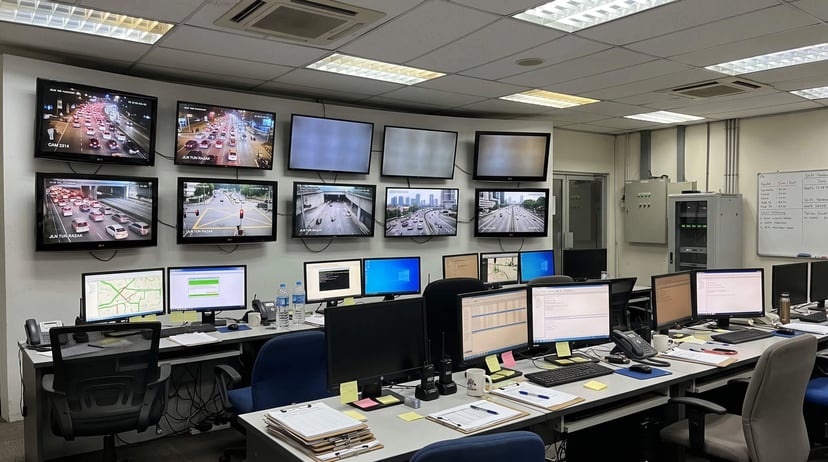
KL CCTV cameras: What motorists need to know
Kuala Lumpur police want better access to around 10,000 existing CCTV cameras through a proposed second command centre, potentially improving traffic monitoring and enforcement coordination. However, no new automated traffic summons system has been confirmed as part of the proposal as of 14 October 2026.
For motorists in Kuala Lumpur, the proposal raises an important question: could better surveillance mean more traffic summonses in the future? While improved access could help police monitor road conditions and coordinate operations, drivers should not mistake the discussions for confirmation of a new automated enforcement system.
The proposal involves discussions between Kuala Lumpur City Hall (DBKL) and the Royal Malaysia Police (PDRM) about establishing a second command centre to improve police access to the city's existing CCTV network.
Key takeaways
Around 10,000 cameras: Kuala Lumpur already has approximately 10,000 CCTV cameras across the city.
A second command centre is being discussed: DBKL and PDRM want to improve police access to the existing camera network.
More summonses are not confirmed: No new automated traffic summons system has been announced under this proposal.
Traffic coordination could improve: Better access to camera feeds could help authorities manage accidents, congestion and road closures.
Drivers should stay prepared: Follow traffic rules, check outstanding summonses and keep vehicle documents up to date.
Why does Kuala Lumpur need a second CCTV command centre?
Kuala Lumpur already has an existing command centre that monitors traffic conditions and helps coordinate responses to incidents across the capital. The proposed second facility would complement the existing centre rather than replace it.
The main issue is accessibility. Although DBKL operates a network of smart CCTV cameras, traffic management still relies heavily on police officers being deployed on the ground. A second centre could make it easier for police to access camera feeds and coordinate operations with DBKL.
The proposal covers more than traffic enforcement. Better coordination could help authorities respond to road accidents, manage congestion, improve public safety and organise road closures for major events, including running events and concerts.
What is actually changing?
| Item | Current position as of 14 October 2026 |
|---|---|
| Existing CCTV network | Approximately 10,000 cameras |
| Proposed facility | A second command centre |
| Agencies involved | DBKL and PDRM |
| Main objectives | Traffic management, public safety and coordination |
| New automated summons system | Not announced under this proposal |
| Confirmed opening date | Not announced |
| Additional 10,000 cameras | No such installation announced under this proposal |
Could better CCTV access mean more traffic summonses?
Potentially, better monitoring could support enforcement, but more summonses are not guaranteed. Easier access to CCTV footage could help officers identify incidents, assess road conditions and coordinate responses. However, the proposal does not confirm that every camera will automatically detect traffic offences or issue summonses.
CCTV monitoring is already in use. Kuala Lumpur's existing surveillance network supports monitoring, crime detection and investigations. The proposed second command centre would build on these capabilities rather than introduce CCTV monitoring for the first time.
Drivers should distinguish monitoring from automated enforcement. A camera recording an incident does not automatically mean a traffic summons will be issued. Enforcement depends on the applicable procedures, the type of offence and the action taken by the relevant authorities.
For now, motorists should not assume that the proposed facility will immediately introduce additional fines or change existing penalty rates.
How could the proposal affect Kuala Lumpur drivers?
1. Potentially better incident response
Improved access to live camera feeds could help police assess accidents, breakdowns and developing congestion before deciding where officers are needed.
2. Better coordination during road closures
Major events can disrupt traffic across several roads at once. Better information-sharing between DBKL and PDRM could help authorities coordinate diversions and traffic control more effectively.
3. More informed journey planning
Drivers could benefit if improved monitoring leads to faster incident management and clearer traffic information. However, no specific reduction in congestion or response times has been confirmed.
4. Continued need to follow traffic laws
Regardless of whether a second command centre is established, motorists should obey traffic signals, speed limits, road markings and parking restrictions. Responsible driving remains important even when enforcement arrangements do not change.
How to stay prepared with the Motorist App
The proposed CCTV command centre is a reminder that drivers should stay informed about traffic conditions and their vehicle-related responsibilities. The Motorist App, part of Motorist's AutoConcierge platform, helps motorists manage their car ownership needs.
Old way vs. Motorist App: Managing car ownership
| Task | Old way | With the Motorist App |
|---|---|---|
| Check traffic conditions | Search for updates across separate sources | Access available traffic camera feeds and incident updates |
| Keep track of summonses | Check manually and revisit relevant services | Receive available summons alerts and notifications |
| Remember important deadlines | Maintain personal reminders and a calendar | Use reminders for road tax and insurance expiry |
| Get motoring assistance | Find information and contact services separately | Access available Motorist car ownership services |
| Manage other vehicle-related tasks | Track follow-up tasks manually | Keep car ownership responsibilities organised |
Important: The Motorist App does not replace official traffic enforcement or payment services. Always use the appropriate official channel to confirm outstanding summonses and settle any fines.
Expert tip: Check traffic conditions before travelling
Check available traffic camera feeds and incident updates before driving into central Kuala Lumpur during peak hours or a major event. Allow extra travel time if your route passes through an affected area, and follow official diversion instructions.
Common mistake: Assuming every camera will issue summonses
Do not assume that all 10,000 CCTV cameras will automatically detect traffic offences or issue summonses. The proposed second command centre aims to improve police access to the existing camera network, but a new automated summons system has not been confirmed.
Motorists should continue following traffic regulations and check any outstanding notices through the relevant official services rather than assuming that the proposal has already changed enforcement procedures.
Conclusion
Kuala Lumpur's proposed second CCTV command centre could improve police access to around 10,000 existing cameras and strengthen traffic coordination, but additional automated summonses have not been announced. Motorists should continue following traffic laws and use reliable traffic updates to plan their journeys.
FAQs
1. How many CCTV cameras does Kuala Lumpur have?
Kuala Lumpur has approximately 10,000 CCTV cameras across the city. The existing network supports surveillance, traffic monitoring and public safety operations.
2. Will Kuala Lumpur's 10,000 CCTV cameras issue more traffic summonses?
No new automated traffic summons system has been announced as part of the proposed second command centre. Whether enforcement capabilities will change remains unconfirmed.
3. Why does Kuala Lumpur need a second CCTV command centre?
DBKL and PDRM are discussing a second centre to improve police access to CCTV feeds and strengthen coordination for traffic management, public safety and incident response.
4. When will Kuala Lumpur's second CCTV command centre open?
No official opening date has been confirmed. The proposal was still under discussion as of 14 October 2026.
5. Will the government install another 10,000 CCTV cameras?
The proposal concerns police access to the existing network of approximately 10,000 cameras. It is not an announcement to install another 10,000 cameras.
6. Can CCTV cameras detect traffic offences automatically?
Some surveillance systems can support traffic monitoring and enforcement, but the proposal does not confirm that all Kuala Lumpur cameras will automatically detect offences or issue summonses.
7. How can drivers check traffic summonses in Malaysia?
Motorists can check through the relevant official services, including the MyJPJ application for JPJ summonses. Always confirm which authority issued the notice before making payment.
8. Can drivers check Kuala Lumpur traffic conditions before travelling?
Yes. Motorists can consult available traffic camera feeds and traffic updates to help plan their journeys and anticipate delays.
9. Does the proposed CCTV command centre replace the existing KLCCC?
No. The proposed second centre is intended to complement the existing Kuala Lumpur Command and Control Centre and improve coordination between DBKL and the police.
10. Does the CCTV proposal change existing traffic fine rates?
No changes to traffic fine rates have been confirmed under this proposal. Motorists should refer to the relevant authorities for current penalties and enforcement requirements.
Keep your car ownership organised with the Motorist app.
Read More: Mat Rempit Law Malaysia: New Jail Penalties Explained
I want to find the highest selling price for my car within 24 hours!
Download the Motorist App now. Designed by drivers for drivers, this all-in-one app lets you receive the latest traffic updates, gives you access to live traffic cameras, and helps you manage vehicle related matters.