AES camera summons in Malaysia: check and pay
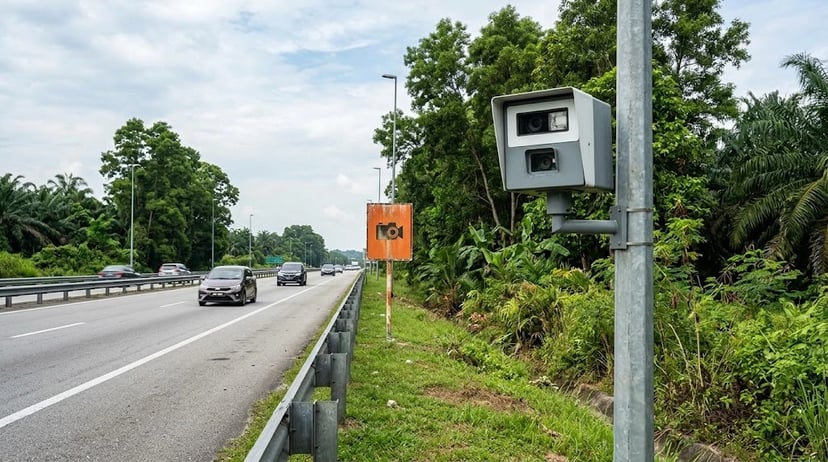
AES was renamed AwAS in 2017. The system can automatically record traffic offences such as speeding and running a red light, then send the information to a control centre for processing. JPJ says it issues a summons and sends it by post to the person named in the notice.
Table of Contents
Key Takeaways
- Check for JPJ summonses through MyJPJ, the JPJ Public Portal or MyEG.
- MyJPJ displays active summonses, but it may not show every record.
- Check the notice for its payment deadline and whether the summons is compoundable.
- JPJ says unpaid compounds may be referred to court after 60 days.
What is an AES or AwAS summons?
AES stands for Automated Enforcement System. It was renamed the Automated Awareness Safety System, or AwAS, in 2017. Cameras and sensors can record certain traffic offences, including exceeding the speed limit and failing to obey a red traffic light. The recorded information is sent for processing, after which a summons may be issued to the person named in the notice.
Do not assume that not receiving a letter means there is no summons. Check the available JPJ channels, especially if you recently changed address or use a vehicle registered to someone else.
How to check for an AES summons
You can check using one of these channels:
- MyJPJ app: Log in and check the summons section. JPJ says the app displays active summonses.
- JPJ Public Portal: Use JPJ’s online services to check summons or notice information. This is useful if a record is not visible in MyJPJ.
- MyEG: MyEG provides an online service to check and pay JPJ and AES summonses.
Use your identification details and vehicle registration number where requested. If you do not find a summons, check again later or contact JPJ to confirm. MyJPJ does not show every active and completed record, according to JPJ’s FAQ.
| Channel | What it is useful for | Note |
|---|---|---|
| MyJPJ app | Checking active JPJ summonses and making eligible payments | Some summons types cannot be paid in the app |
| JPJ Public Portal | Checking summons and notice information | Use JPJ’s official website |
| MyEG | Checking and paying JPJ or AES summonses online | Check the details before confirming payment |
What to do if a summons appears
Open the summons details and confirm the vehicle registration, offence, date, location, amount and payment deadline. Keep a copy of the notice and any payment receipt.
Then check whether the summons is compoundable and whether the payment offer is still valid. JPJ notes that some summonses cannot be paid through MyJPJ, including non-compoundable summonses, summonses whose compound offer has expired, and summonses related to failure to comply with a notice.
Expert tip
Save the payment receipt and a screenshot of the summons details. These can help if you need to confirm later that the payment was recorded.
Where to pay a JPJ summons
JPJ lists MyJPJ, the JPJ Public Portal and MyEG as online payment channels. You can also pay at a JPJ state office, branch, small office, UTC or JPJ kiosk. The available method depends on the summons type and its status.
For eligible payments in MyJPJ, JPJ lists credit or debit card and online banking as payment methods. If the app shows a pending transaction, check the transaction history before trying again so you do not accidentally make a duplicate payment.
Some summonses require action before payment, or must be settled in court as stated in the notice. Follow the instructions on the summons and contact JPJ if you are unsure which route applies.
What if the summons looks wrong?
Do not ignore it. Compare the vehicle number, date, location and offence details with your records. If you think there has been a mistake, contact JPJ through its official channels or visit a JPJ office with the summons and any evidence that may help clarify the issue, such as proof of vehicle ownership or sale, travel records, or photographs.
If you were not driving, check the notice for instructions about identifying the driver or responding to a related notice. Resolve any required notice first; JPJ says certain notice-related summonses cannot be paid until the original notice has been dealt with.
Common mistake
Do not pay through a link in an unexpected SMS or message before checking the summons through MyJPJ, the JPJ Public Portal or MyEG. Verify that the offence and vehicle details match.
What happens if you leave it unpaid?
JPJ says a driver or vehicle owner who does not pay a compound within 60 days may be referred to court. If they fail to attend the court mention, the driver, vehicle or licence may be blacklisted until the case is resolved. Check the summons for its specific deadline and do not wait until the last day to find out how it can be settled.
If you have paid but the record still appears, check your transaction status and receipt first. If the status remains unclear, contact the payment channel or JPJ with your transaction details.
Checking promptly helps you confirm whether a camera summons was issued and what action is required. Use JPJ’s official services to verify the notice, follow its deadline and keep a record of any payment or correspondence.
For more help managing your motoring needs, explore the Motorist App.
Frequently Asked Questions
1. How do I check if an AES camera caught me in Malaysia?
Check the MyJPJ app, JPJ Public Portal or MyEG using the requested identification and vehicle details. MyJPJ displays active summonses, but JPJ says it does not show every active and completed record.
2. Is AES the same as AwAS?
AwAS is the renamed Automated Enforcement System (AES), introduced in 2017. It records certain traffic offences using automated enforcement equipment.
3. Will an AES or AwAS summons be sent by post?
JPJ says the system issues summonses automatically and sends them by post to the person named in the notice. You can also check online through JPJ’s available services.
4. Can I pay an AES summons in the MyJPJ app?
Some JPJ summonses can be paid through MyJPJ. Non-compoundable summonses, expired compound offers and certain notice-related summonses cannot be paid there.
5. How much is an AES summons?
The amount and payment deadline depend on the summons details and its current status. Check the notice or an official JPJ payment channel for the amount shown for your case.
6. What should I do if I was not driving the car?
Read the summons and any related notice for instructions on identifying the driver or responding. Contact JPJ if the notice does not explain what action is required.
7. What happens if I do not pay my JPJ summons?
JPJ says an unpaid compound may be referred to court after 60 days. Failure to attend the court mention may result in a blacklist until the case is resolved.
8. What if my AES summons does not appear online?
Check again later and try another JPJ channel, because MyJPJ does not show every active and completed record. Contact JPJ if you need confirmation.
9. Can I dispute an AES or AwAS summons?
If you believe the summons is incorrect, contact JPJ through its official channels or visit a JPJ office with the notice and relevant evidence. Keep a copy of all correspondence.
10. Where can I check whether I have been blacklisted?
Use JPJ’s official blacklist status check. JPJ’s checker asks for your identification category, identification number and vehicle registration number.
Read More: TuJu app: LLM says it was not built to rival Waze
I want to find the highest selling price for my car within 24 hours!
Download the Motorist App now. Designed by drivers for drivers, this all-in-one app lets you receive the latest traffic updates, gives you access to live traffic cameras, and helps you manage vehicle related matters.


