Flooded Roads in Malaysia: When Should You Turn Around?
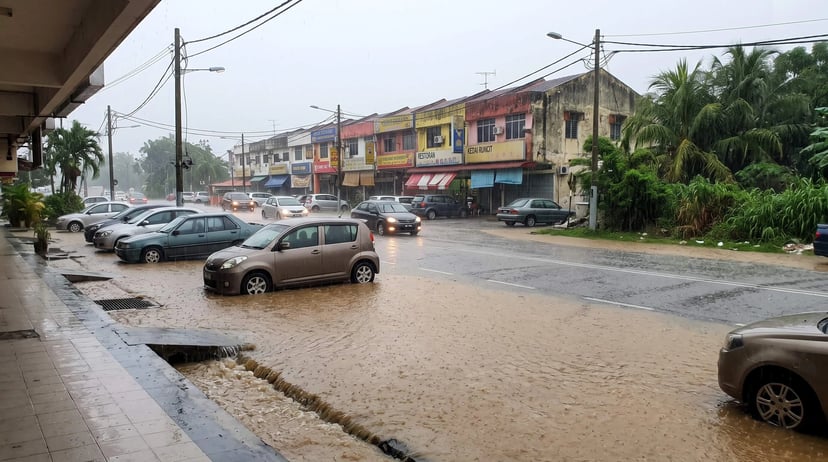
When you encounter a flooded road in Malaysia, you should turn around rather than attempt to drive through it, especially when the water is moving, its depth is unclear or the road has been closed. Malaysia’s authorities advise motorists to avoid flooded areas because water can sweep vehicles away, hide road hazards and cause serious vehicle damage.
Table of Contents
Key takeaways
- Turn around if floodwater is blocking your route or its depth and condition cannot be confirmed.
- Do not drive through fast-moving floodwater because it can affect vehicle stability and sweep vehicles away.
- Floodwater can hide potholes, open drains, damaged road surfaces and other hazards.
- Follow official road closures and diversions instead of relying only on what other drivers are doing.
- Check official weather, flood and highway updates before starting your journey during heavy rain.
When should you turn around?
The safest answer is simple: turn around whenever floodwater makes the road unsafe or its condition cannot be confirmed. Malaysia’s Department of Irrigation and Drainage specifically advises drivers not to attempt to cross flooded areas and to turn back instead.
You should immediately reconsider your route if the water is moving quickly, rising, covering the road surface or making it impossible to judge the road underneath. The same applies when authorities have closed the road or directed traffic elsewhere.
Do not assume that a road is safe just because another vehicle has managed to cross it. Flood conditions can change quickly, and the same stretch of road can become significantly more dangerous within minutes.
Expert Tip
If you cannot clearly see the road surface and determine that the route is safe, treat the floodwater as unsafe and find another route. Never use another vehicle as proof that the water is safe to cross.
Why flooded roads are dangerous
Floodwater is more than just water covering the road. It can conceal hazards and affect how your vehicle responds, making a seemingly short crossing much more dangerous than it appears.
PDRM has warned that vehicles attempting to cross floodwater can stall, while water entering the engine can cause hydrolock. Vehicle components can also suffer significant damage.
Fast-moving water presents an even greater risk. Malaysia’s official disaster guidance advises people to avoid walking or driving through fast-flowing water or flooded areas.
Floodwater can also hide potholes, open drains, damaged road surfaces and objects carried by the current. This means you may not know what your tyres are driving over until it is too late.
Common Mistake
Do not judge floodwater only by its apparent depth. Water can cover a damaged section of road or conceal a drain, while moving water can affect your vehicle even when it does not look particularly deep.
What to do when you encounter floodwater
1. Slow down and assess the situation
If you see water ahead, reduce your speed and assess whether the road is still passable. Avoid making a sudden manoeuvre that could put you or another road user in danger.
2. Look for a safe alternative
If the road is flooded, turn around when it is safe to do so and use another route. A longer journey is preferable to risking your safety or damaging your vehicle.
3. Follow official diversions
If the road has been closed, follow temporary signs, traffic personnel and official diversion instructions. Do not attempt to bypass a road closure simply because the road appears accessible.
4. Move to higher ground if conditions worsen
If flooding is getting worse around your location, prioritise getting to a safer, higher area. The Malaysia government’s disaster guidance advises people to avoid flooded areas and follow instructions from relevant authorities.
5. Do not restart a flooded vehicle
If your vehicle becomes stranded in floodwater, do not attempt to restart the engine after water has entered the vehicle. A flooded engine may suffer further damage if it is restarted.
How to check flooded roads before driving
Checking conditions before leaving can help you avoid roads that are already flooded or closed. This is particularly important during periods of heavy rain, when conditions can change quickly.
Check official weather and flood information from agencies such as the Malaysian Meteorological Department, the Department of Irrigation and Drainage and the National Disaster Management Agency. Malaysia’s official disaster guidance also recommends obtaining updates from official channels including NADMA, APM, PDRM, JBPM, METMalaysia and DID.
For highway journeys, check the latest announcements from the relevant highway operator. Recent flooding on the NKVE between Shah Alam and Subang showed how quickly major routes can become impassable and require diversions.
You can also use traffic cameras and traffic updates to get a better idea of conditions along your route. However, online information should not replace official road-closure instructions.
What if your car gets stuck?
If your vehicle becomes stuck in floodwater, your priority should be your safety rather than saving the vehicle. Do not continue trying to drive if the water level is rising or the vehicle has stopped.
If it is safe to leave the vehicle, move towards higher and safer ground and stay away from fast-moving water, drains, fallen electrical cables and other hazards. Malaysia’s flood preparedness guidance advises motorists whose vehicles have stopped during floods to leave the vehicle and move to a safe location.
If you cannot safely exit, contact emergency services and follow their instructions. Do not put yourself at greater risk by attempting to cross dangerous floodwater on foot.
Frequently Asked Questions
1. When should I turn around on a flooded road?
Turn around when floodwater is blocking the road, its depth cannot be confirmed, the water is moving or authorities have closed the route.
2. Is it safe to drive through shallow-looking floodwater?
It is safest to avoid it. Floodwater can hide potholes, drains and damaged road surfaces, while conditions can change quickly.
3. Can floodwater sweep a car away?
Yes. Fast-moving floodwater can affect vehicle stability and may sweep vehicles away, which is why authorities advise drivers to avoid flooded and fast-flowing areas.
4. Can floodwater damage a car engine?
Yes. Water entering the engine can cause hydrolock and may result in serious damage. PDRM has specifically warned motorists about this risk.
5. Should I follow another car through floodwater?
No. Another vehicle crossing successfully does not prove that the route is safe for your vehicle or that the water level will remain unchanged.
6. What should I do if a road is closed because of flooding?
Do not enter the closed section. Follow the official diversion or find another safe route.
7. What should I do if my car stalls in floodwater?
Prioritise your safety, avoid repeatedly restarting the engine and move to a safe location when it is possible to do so safely.
8. Where can I check flood information in Malaysia?
Check official updates from agencies such as METMalaysia, DID, NADMA, APM, PDRM and relevant highway operators.
9. Can I use traffic cameras to check a flooded road?
Yes. Traffic cameras can help you observe conditions before travelling, but always follow official road-closure and diversion information.
10. Should I continue driving if floodwater starts rising?
No. If conditions are worsening, stop trying to cross and move towards a safer location when it is safe to do so.
Conclusion: Turning around is the safer choice
When a flooded road is ahead, reaching your destination is not worth risking your life or your vehicle. If the water is moving, rising, too deep to judge or blocking a closed route, turn around and find a safer alternative.
During Malaysia’s rainy periods, check official weather and road updates before travelling and be prepared to change your route when conditions deteriorate.
Plan your journey more carefully with the Motorist App, where you can access traffic cameras and traffic updates to help monitor road conditions before you set off.
Read More: NKVE Shah Alam–Subang Flooded Again, All Lanes Closed
Looking to sell your car? Get a better idea of your car’s value and explore your selling options with Motorist.
Download the Motorist App now. Designed by drivers for drivers, this all-in-one app lets you receive the latest traffic updates, access live traffic cameras, and manage vehicle-related matters.


