Hydrogen Could Be an Alternative to Diesel for Heavy Vehicles in Malaysia
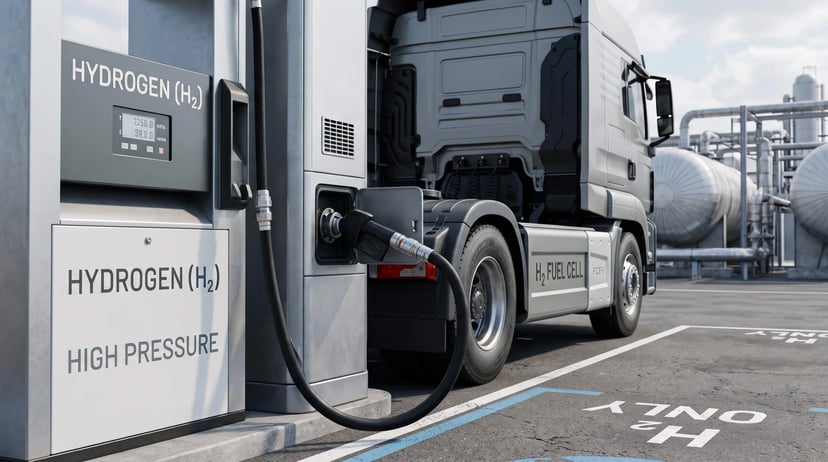
Hydrogen fuel cell vehicles (FCEVs) could provide an alternative to diesel for heavy vehicles such as express buses and long-haul goods transport, while battery electric vehicles (EVs) remain more suitable for passenger cars and shorter-distance applications, according to the Ministry of Science, Technology and Innovation (MOSTI).
Table of Contents
Key takeaways
- Hydrogen FCEVs could be considered as an alternative to diesel for heavy commercial vehicles, express buses and long-haul freight transport.
- MOSTI says hydrogen could complement rather than replace battery electric vehicles.
- Malaysia is developing three EV bus conversions and two hydrogen fuel cell electric buses through the EMERGE programme.
- Green hydrogen remains costly, while grey hydrogen requires further assessment of its carbon intensity and environmental impact.
Why hydrogen could suit heavy vehicles
Science, Technology and Innovation Minister Datuk Chang Lih Kang said hydrogen's high gravimetric energy density makes it potentially suitable for heavy-duty transport that requires longer operating ranges and higher load capacity.
Hydrogen could therefore be considered for applications such as express buses and long-haul freight transport, where longer driving ranges and shorter refuelling times are important operational requirements.
Chang also said hydrogen technology could offer competitive operating costs compared with diesel, particularly when compared with unsubsidised diesel prices. However, further feasibility studies are needed before its wider adoption can be assessed.
Expert Tip: Heavy-vehicle operators should assess more than fuel prices when considering alternative powertrains. Range, refuelling time, payload requirements, infrastructure availability and operating routes can all affect whether hydrogen or battery power is practical.
Hydrogen and EVs could coexist
MOSTI does not view hydrogen technology as a replacement for battery electric vehicles. Instead, Chang said the two technologies could complement each other as Malaysia develops a lower-carbon transport system.
Battery electric vehicles are considered better suited to passenger cars, city buses and vehicles operating on established routes where charging facilities are available.
Hydrogen FCEVs, meanwhile, could have a role in heavy-duty and long-distance transport where operating requirements make longer range and faster refuelling particularly important.
This means Malaysia's future transport system could potentially use different technologies for different vehicle applications rather than relying on a single alternative powertrain.
Common Mistake: Assuming hydrogen vehicles are intended to replace all EVs. Current government statements indicate that FCEVs and battery EVs could serve different transport needs and coexist within a lower-carbon mobility system.
Malaysia's hydrogen vehicle development
NanoMalaysia Berhad is exploring the integration of hydrogen systems with vehicle electrification platforms through the Enabling Mobility Electrification for Green Economy (EMERGE) programme, which is funded through MOSTI's Strategic Research Fund.
The initiative includes the development of three EV bus conversions and two hydrogen fuel cell electric buses. The programme is intended to strengthen local capabilities in emerging vehicle technologies.
Chang also said existing buses could potentially be converted into EVs or FCEVs, subject to factors including cost, safety, operational requirements, vehicle lifespan and government approval.
Developing hydrogen technology locally could also help strengthen domestic expertise, supply chains, infrastructure and industrial capabilities.
Grey hydrogen remains a challenge
One of the challenges is the cost of producing green hydrogen. Green hydrogen is produced by splitting water using renewable electricity, while grey hydrogen is typically produced from fossil fuels such as natural gas and releases carbon dioxide during production.
Chang said high-purity grey hydrogen could potentially serve as a transitional option because green hydrogen remains expensive to produce. However, this would require assessments of cost, carbon intensity and environmental impact.
The assessment would also need to consider processes including hydrogen purification, compression, storage and transportation to refuelling stations before Malaysia gradually transitions towards lower-carbon hydrogen.
What this means for Malaysia
Malaysia is already testing hydrogen mobility as part of its broader technology development efforts. A Toyota Mirai and a mobile hydrogen refuelling station in Putrajaya are being used in the technology demonstration phase under the Hydrogen Economy and Technology Roadmap through 2030.
The government has also highlighted the importance of reducing operating costs to make hydrogen propulsion more viable for cars and other vehicles.
For heavy transport, hydrogen could become one of the technologies considered for longer-distance operations if the necessary infrastructure, costs, safety requirements and environmental considerations can be addressed.
For Malaysian motorists, however, the latest development does not mean hydrogen passenger cars will immediately replace conventional vehicles or battery EVs. The technology remains part of ongoing development and demonstration efforts.
Conclusion
Hydrogen has potential as an alternative to diesel for Malaysia's heavy-vehicle sector, particularly for long-distance and intensive operations. At the same time, battery EVs are expected to remain important for passenger cars and other applications with suitable charging access.
The government's current approach suggests that hydrogen and battery electric technology could develop alongside each other, with their suitability depending on the vehicle, route and operational requirements.
For vehicle owners and operators, the transition to alternative powertrains will ultimately depend on factors such as cost, infrastructure, safety, vehicle capability and the availability of suitable energy sources.
Looking to manage your vehicle more easily? The Motorist platform provides tools and services designed to make vehicle ownership simpler, from managing car-related matters to keeping track of your vehicle needs.
Frequently Asked Questions
1. Can hydrogen replace diesel for heavy vehicles in Malaysia?
Hydrogen could be an alternative to diesel for heavy commercial vehicles, express buses and long-haul freight transport, but wider adoption requires further feasibility and environmental assessments.
2. Why is hydrogen suitable for heavy vehicles?
Hydrogen has high gravimetric energy density and could support longer operating ranges and shorter refuelling times, which are important for heavy-duty transport.
3. Will hydrogen vehicles replace battery EVs?
No. MOSTI says hydrogen FCEVs and battery EVs could complement each other, with each technology serving different transport applications.
4. Which vehicles are better suited to battery EV technology?
Battery EVs are considered better suited to passenger cars, city buses and vehicles operating on established routes with access to charging facilities.
5. Which vehicles could use hydrogen FCEV technology?
Hydrogen FCEVs could be considered for heavy commercial vehicles, buses and long-distance transport where longer range and shorter refuelling times are important.
6. Is green hydrogen currently cheap to produce?
No. MOSTI has acknowledged that green hydrogen remains costly to produce, which is one reason high-purity grey hydrogen has been discussed as a possible transitional option.
7. What is grey hydrogen?
Grey hydrogen is typically produced from fossil fuels such as natural gas through processes that release carbon dioxide.
8. What is green hydrogen?
Green hydrogen is produced by splitting water using renewable electricity, such as electricity generated from renewable energy sources.
9. Is Malaysia already testing hydrogen vehicles?
Yes. A Toyota Mirai and a mobile hydrogen refuelling station in Putrajaya are part of Malaysia's hydrogen technology demonstration efforts under the Hydrogen Economy and Technology Roadmap through 2030.
10. How many hydrogen and EV buses are being developed through EMERGE?
The programme is exploring three EV bus conversions and two hydrogen fuel cell electric buses.
Read More: Malaysia Has 6,416 Public EV Chargers, Targets 30,000 by 2030
Want to sell your car? Get a better idea of your car's value and connect with potential buyers through Motorist.
Download the Motorist App now. Designed by drivers for drivers, this all-in-one app lets you receive the latest traffic updates, access live traffic cameras, and manage vehicle-related matters.


