Is It legal to film illegal parking in Malaysia?
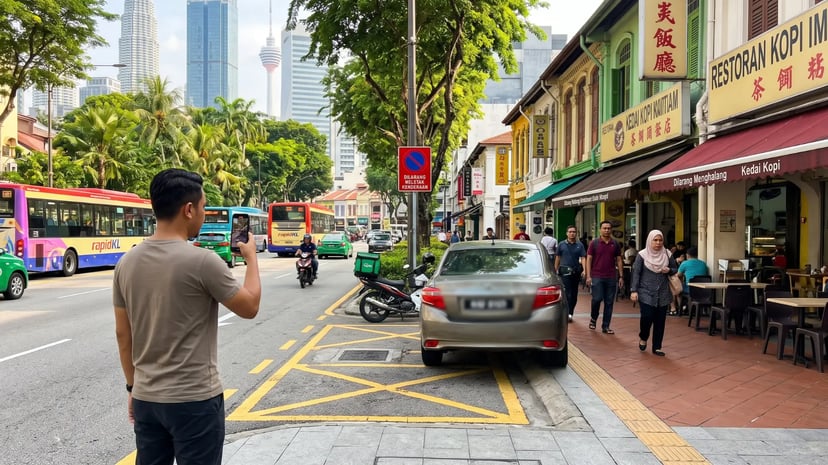
Yes, filming a vehicle that appears to be illegally parked in a public place is generally allowed in Malaysia, but posting the footage online can create legal risks. While recording a parking offence is not automatically illegal, publicly identifying, insulting or harassing the driver may raise issues involving defamation, privacy and online communications laws.
Whether you spot a car double-parked outside a restaurant, blocking a residential driveway or occupying a disabled parking space without authorisation, knowing the difference between documenting an incident and publicly shaming someone can help you avoid unnecessary trouble.
Table of Contents
Key takeaways
- Filming an apparent parking offence in a public place is not automatically illegal in Malaysia.
- Posting footage online carries additional legal risks, especially when it identifies or targets an individual.
- Blurring faces and number plates can reduce unnecessary exposure, although it does not guarantee legal protection.
- Photos and videos can be useful evidence when reporting an offence to the appropriate authority.
- Submitting evidence through official reporting channels is generally safer than publicly shaming the driver.
Is filming illegal parking legal in Malaysia?
Malaysia does not have a general prohibition against photographing or recording people and vehicles in public places without obtaining consent.
For example, if you see a vehicle blocking a road junction or obstructing another car, recording the situation from a public pavement is generally not unlawful simply because the owner did not give permission.
However, the circumstances matter. Filming in privately owned premises, entering restricted areas or repeatedly following a driver could create separate legal problems.
A shopping mall car park, condominium compound or private commercial property may also have rules restricting photography and recording.
The important distinction is between documenting a possible traffic offence and deliberately targeting someone for humiliation or harassment.
Can you post someone's illegal parking online?
Posting footage of apparent illegal parking on Facebook, TikTok, Instagram or other social media platforms is not automatically against Malaysian law.
However, the legal risks increase when a video identifies the driver, includes accusations that cannot be supported or encourages other users to attack the person involved.
Consider two situations.
Situation A: Sharing a factual parking incident
You upload a short video showing a car obstructing a road and explain the traffic problem without identifying or insulting the owner.
Situation B: Publicly shaming the driver
You upload the driver's face, full number plate and personal details, accompanied by insulting captions and requests for others to confront the person.
The second situation creates significantly greater legal risk because the publication may contribute to harassment or reputational harm.
Even if the parking incident genuinely occurred, that does not automatically make every statement or accusation in your post lawful.
What Malaysian laws should you know before posting?
1. Communications and Multimedia Act 1998
Section 233 of the Communications and Multimedia Act 1998 regulates certain improper online communications, including communications that meet the statutory requirements concerning false, menacing or grossly offensive content and the relevant intention.
Following amendments that came into force in February 2025, offences under Section 233(1) may carry a maximum fine of RM500,000, imprisonment of up to two years, or both.
These penalties do not apply automatically to someone simply uploading a parking video. The legal elements of the offence must be established.
In February 2026, the Federal Court also addressed the constitutionality of wording concerning offensive communications and intent to annoy, while finding that the particular Facebook post in the case did not justify prosecution.
Sources: Communications and Multimedia (Amendment) Act 2025 and Bernama's report on the February 2026 Federal Court ruling.
2. Defamation laws
A person who publishes a false statement that damages another person's reputation may face a defamation claim, depending on the circumstances.
For example, posting a video of a vehicle with the caption "This driver is a criminal who always breaks the law" could create unnecessary legal exposure, particularly if the allegations cannot be substantiated.
Showing that a vehicle was parked in a particular location does not necessarily prove who was driving or whether an offence was legally established.
Keep descriptions factual and avoid exaggerating what the footage proves.
3. Privacy and personal information
Malaysia's Personal Data Protection Act 2010 primarily regulates personal data processing in commercial transactions. It does not create a blanket prohibition against private individuals filming vehicles in public.
Nevertheless, publishing identifiable faces, home addresses, phone numbers or other personal details can create additional risks depending on how the information was obtained and used.
Privacy, harassment and defamation issues may also arise under other legal principles.
Should you blur faces and number plates before posting?
Blurring identifying details is a sensible precaution when the purpose of sharing a video is to highlight a parking problem rather than identify the person involved.
A vehicle registration number is visible in public, but sharing it alongside the owner's face, workplace or home location may expose the person to unwanted attention.
Before publishing footage, consider removing unnecessary identifying information, including:
- Faces of drivers, passengers and bystanders.
- Vehicle registration numbers when identification is unnecessary.
- Residential addresses or other private details.
- Audio containing personal conversations.
- Captions encouraging harassment or retaliation.
Blurring information does not automatically make a post lawful, but it can help limit unnecessary exposure.
Expert tip: Keep an unedited copy of the original recording for an official complaint. If you choose to share a version publicly, remove unnecessary identifying details and avoid making accusations that go beyond what the footage clearly shows.
How to report illegal parking in Malaysia properly
Instead of immediately uploading a video to social media, consider reporting the incident to the authority responsible for the location and type of offence.
Step 1: Record clear evidence
Take photographs or videos showing the vehicle's position, relevant road markings, parking signs and any obstruction caused.
Record the date, time and location accurately. Avoid confronting the driver or placing yourself in danger to obtain footage.
Step 2: Identify the appropriate authority
For parking offences on roads or parking areas managed by a local council, contact the relevant municipal authority, such as DBKL, MBPJ or the council responsible for that area.
For traffic-related obstruction or dangerous situations, the police may be the appropriate authority.
JPJ also provides an e-Aduan facility through MyJPJ for specified traffic offences. However, ordinary illegal parking is not listed as a standalone category in the government's published list of supported e-Aduan offences.
Check whether the incident falls within an available reporting category rather than assuming all parking complaints can be submitted through MyJPJ.
Official references: JPJ e-Aduan and Malaysia Government traffic offence reporting guidance.
Step 3: Submit factual information
Provide the vehicle registration number, exact location, incident time and original supporting evidence where requested.
Describe what happened without speculation about the driver's identity, motives or previous behaviour.
Step 4: Allow the authorities to assess the complaint
Submitting a video does not automatically mean the driver will receive a saman.
The relevant authority must assess the evidence, applicable rules and circumstances before deciding whether enforcement action is appropriate.
Common mistake: Posting a driver's face and number plate with an angry caption before checking whether the vehicle actually violated parking rules. A vehicle may be stopped for an emergency or in an area governed by specific conditions. Record the evidence, verify the circumstances where possible and report the matter without making unsupported accusations.
What happens if your illegal parking video goes viral?
A video showing double parking or a blocked entrance may attract considerable attention online, particularly when the incident causes inconvenience to other motorists.
However, viral attention can create consequences beyond the original parking dispute.
Viewers may identify the driver, contact their employer, share personal information or make threatening comments.
The original uploader is not automatically responsible for everything other users do, but the uploader's own statements, disclosures and encouragement of harassment may become relevant if a dispute arises.
Public attention also does not prove that an offence occurred or guarantee enforcement action.
If you have already posted a video, review its captions and comments. Consider removing unnecessary personal information, correcting inaccurate claims and discouraging threats or harassment.
Remember that content can be copied or redistributed even after the original post is deleted.
Frequently Asked Questions
1. Is it illegal to record someone's car without permission in Malaysia?
Not automatically. Recording a vehicle in a public place is generally permissible, but the location, filming behaviour and subsequent use of the footage can affect the legal position.
2. Can I post a video of someone double parking on Facebook?
Generally, posting a factual video is not automatically illegal. Avoid unsupported accusations, personal information and content intended to harass the driver.
3. Can someone sue me for posting their illegal parking online?
Potentially, depending on the statements made and the circumstances. A defamation or other legal claim may arise if the post contains unlawful material.
4. Do I need to blur a car's number plate before uploading a video?
There is no blanket rule requiring every number plate in a public parking video to be blurred. However, blurring it is a sensible precaution when public identification is unnecessary.
5. Can I report illegal parking using video evidence?
Yes. Relevant enforcement authorities may accept photographs or videos as supporting evidence. Check the reporting requirements of the local council, police or other responsible authority.
6. Can I use MyJPJ to report someone who parks illegally?
MyJPJ supports reports for specified traffic offences, but ordinary illegal parking is not listed as a standalone offence category in the published e-Aduan guidance. Contact the relevant local council or authority for parking complaints.
7. Can I film a car blocking my house entrance?
Generally, you may document a vehicle obstructing your entrance from a lawful filming position. Avoid trespassing or confronting the driver aggressively, and report the obstruction to the appropriate authority.
8. Can the police issue a saman based on a viral video?
Video footage may help support an investigation, but a viral post does not automatically result in a saman. Enforcement depends on the evidence, applicable law and the authority's assessment.
9. Is it legal to post the driver's face online?
It is not automatically unlawful to show someone filmed in public, but deliberately identifying and humiliating a driver can increase privacy, defamation and harassment risks.
10. What should I do if someone posts a misleading video of my parking?
Preserve screenshots and relevant evidence, request correction or removal, and use the platform's reporting tools. Consider legal advice if the publication contains defamatory statements, threats or serious harassment.
Conclusion: Record responsibly, report through the right channels
Filming apparent illegal parking in Malaysia is generally legal when done appropriately in a public place. However, posting the footage online requires greater care, especially when it exposes someone's identity or encourages public harassment.
The safer approach is to document the incident accurately, preserve the original evidence and report it to the appropriate enforcement authority.
Thinking about selling your car? Explore Motorist Malaysia to learn about your car-selling options and request a vehicle valuation before deciding on your next move.
Read More: Penang Bridge Lane Closure: November 24–26
I want to find the highest selling price for my car within 24 hours!
Download the Motorist App for a more convenient car ownership experience.


