Malaysia Rail Capacity Must Improve Before Car-Free Push
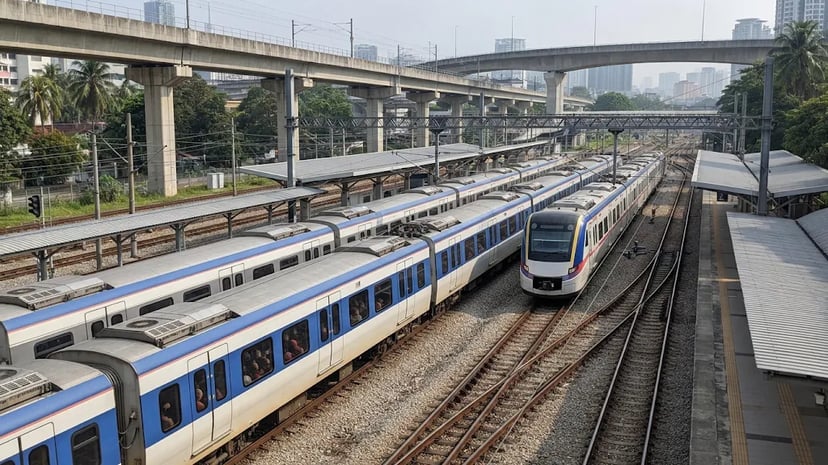 Malaysia Needs More Rail Capacity Before Commuters Switch From Cars
Malaysia needs to improve train capacity, service frequency and reliability before encouraging more commuters to leave their cars and use public transport, according to transport experts from Universiti Teknologi MARA (UiTM) MITRANS.
The warning comes amid recurring peak-hour congestion on the Kelana Jaya LRT Line, with experts saying that pushing more people towards trains without addressing operational limitations could simply transfer traffic congestion from roads to railway platforms.
Table of Contents
- Why Malaysia needs more rail capacity
- Kelana Jaya LRT faces growing operational pressure
- Why train reliability matters to commuters
- What should improve before more people leave their cars?
- What this means for Malaysian motorists
- Conclusion
- Frequently Asked Questions
Key Takeaways
- UiTM MITRANS says rail capacity should be expanded before major initiatives encourage commuters to switch from cars to public transport.
- Rapid Rail reportedly recorded a load factor of 109% in April, indicating pressure on the rail network.
- Weekday ridership on the Kelana Jaya LRT Line has increased to nearly 290,000 passengers, almost double the 2020 figure.
- The Kelana Jaya Line operates 74 train sets across three generations, with ageing first-generation trains contributing to technical incidents.
- Experts say train availability, service frequency, station capacity and operational reliability all need attention.
Why Malaysia Needs More Rail Capacity
Encouraging Malaysians to use public transport is one way to reduce dependence on private vehicles and ease road congestion. However, public transport must have enough capacity to accommodate additional passengers before such a shift can be sustained.
Abdul Khabir Rahmat, head of postgraduate studies at Universiti Teknologi MARA's Malaysian Institute of Transport (MITRANS), said policies such as affordable travel passes, parking restrictions and congestion charges could encourage greater public transport use.
However, he stressed that expanding public transport capacity should come first. Investing in additional capacity only after severe overcrowding occurs risks moving congestion from roads to train platforms and stations.
He also pointed to Rapid Rail's reported load factor of 109% in April as an indication of increasing pressure on the rail system.
According to Khabir, overcrowding is not caused by the number of trains alone. Fleet availability, service frequency, station capacity and operational reliability also affect how many passengers the system can accommodate effectively.
When a railway operates close to its capacity, even a relatively small technical disruption can create wider delays across the network.
Kelana Jaya LRT Faces Growing Operational Pressure
The Kelana Jaya LRT Line is one of the rail services facing increasing passenger demand and operational challenges.
MITRANS director Mohd Fathi Abu Yaziz said weekday ridership had increased to nearly 290,000 passengers, almost twice the figure recorded in 2020. This growth has placed additional pressure on the line's ageing train fleet.
Fathi explained that recurring peak-hour congestion was primarily linked to operational availability rather than the railway corridor reaching its ultimate engineering design capacity.
The Kelana Jaya Line operates 74 train sets across three generations. First-generation trains have contributed to an approximately 30% increase in technical incidents, according to Fathi.
He added that around two-thirds of these incidents were linked to emergency braking systems. The arrival of critical spare parts could also take between eight and 12 months, making maintenance and fleet availability more challenging.
When fewer trains are available for service, waiting intervals become longer. This can increase passenger congestion at busy stations, including:
- Jelatek
- KLCC
- Masjid Jamek
- Pasar Seni
These operational constraints show why increasing the number of passengers using rail services must be matched by improvements to the trains and supporting infrastructure.
Why Train Reliability Matters to Commuters
Public transport needs to be dependable if authorities want motorists to consider using it regularly instead of driving.
Fathi said recurring service disruptions and overcrowding could discourage commuters from continuing to use public transport. People who leave their cars behind generally expect a journey that is predictable, comfortable and reliable.
Even if a rail network has enough space to accommodate more passengers during off-peak periods, peak-hour reliability remains important. Long waiting times, crowded platforms and unexpected disruptions can make daily commuting difficult.
For many workers, arriving at the office or returning home on time is a major consideration when choosing between driving and taking the train.
Expert Tip
Before replacing a daily car journey with public transport, check the complete route, train frequency and available connections. A reliable door-to-door journey matters more than the train ride alone.
Common Mistake
Assuming that a new rail line or additional stations automatically mean a convenient journey. Commuters should also consider train availability, interchange waiting times and connections between stations and their final destinations.
What Should Improve Before More People Leave Their Cars?
The comments from MITRANS highlight the need to improve the overall performance of Malaysia's public transport network rather than relying on policies that simply discourage driving.
Several areas require attention if rail services are expected to accommodate more commuters.
1. Increase train availability
More trains need to be available for daily operations, particularly during peak periods. Proper maintenance planning and timely replacement of ageing components can help reduce the number of trains withdrawn from service.
2. Improve service frequency
Shorter and more consistent waiting intervals can help passengers reach their destinations with less uncertainty. This is particularly important at stations experiencing heavy passenger demand.
3. Strengthen station capacity and operations
Stations must be able to manage passenger movements safely and efficiently. Platform crowd management, passenger information and operational coordination are important parts of the overall rail experience.
4. Improve maintenance and operational reliability
Technical incidents can affect more than one station or train service, especially when a line is operating under pressure. Maintenance work, spare-parts planning and reliable train systems are therefore essential.
5. Make public transport a practical alternative
Affordable passes and measures to manage private vehicle use may encourage commuters to consider public transport. However, these policies are more likely to work when train services are dependable and have sufficient capacity.
In a separate September 2026 report by Bernama, MITRANS director Mohd Fathi Abu Yaziz also highlighted the importance of predictable services, maintenance, feeder transport and bus fleet expansion. He said improving existing services could deliver meaningful benefits to commuters.
Read the report: MITRANS calls for more predictable public transport services.
What This Means for Malaysian Motorists
For motorists in the Klang Valley, better public transport could eventually provide another practical option for daily travel. However, the decision to stop driving depends on whether the available services meet individual commuting needs.
Drivers considering a switch should compare their complete journey, including travel time, fares, parking costs, transfers and the distance between stations and their homes or workplaces.
The following table highlights the main considerations when choosing between driving and public transport.
| Consideration | Private car | Public transport |
|---|---|---|
| Journey flexibility | Allows direct travel and flexible departure times. | Depends on service routes and operating schedules. |
| Peak-hour travel | Can be affected by road congestion. | Can be affected by crowded trains and longer waiting times. |
| Travel costs | Includes fuel, tolls, parking, maintenance and other ownership costs. | Includes fares or travel passes and possible connecting transport costs. |
| Service reliability | Depends on road conditions, traffic and vehicle condition. | Depends on train availability, frequency and operational performance. |
| Door-to-door convenience | Can provide a direct journey to the destination. | May require walking, feeder buses or transfers between services. |
There is no single option that suits every commuter. People living close to reliable rail stations may find public transport convenient, while those travelling from areas with limited connections may still depend on private vehicles.
Motorists can also consider a mixed approach, such as driving to a park-and-ride facility and continuing the journey by train, where suitable facilities and services are available.
Conclusion: Better Rail Services Must Come Before a Bigger Modal Shift
Malaysia's efforts to encourage more people to use public transport need to be supported by sufficient rail capacity, reliable operations and better passenger facilities.
The concerns raised by UiTM MITRANS show that increasing public transport use without addressing existing operational constraints could worsen overcrowding and reduce commuter confidence.
For motorists, a meaningful shift away from private vehicles will depend on having a public transport system that offers a dependable and convenient alternative. Improving the commuter experience should therefore go hand in hand with policies aimed at reducing car dependency.
For vehicle owners considering their next move, Motorist Malaysia can help make vehicle-related decisions easier, including exploring options to sell a car.
Frequently Asked Questions
1. Why does Malaysia need more rail capacity before encouraging people to use public transport?
Malaysia needs sufficient train availability, service frequency and station capacity to handle additional passengers. Without these improvements, encouraging more people to use trains could increase overcrowding.
2. What did UiTM MITRANS say about Malaysia's public transport system?
UiTM MITRANS said public transport capacity should be improved before major initiatives encourage commuters to switch from private vehicles to trains and other public transport services.
3. What is the reported Rapid Rail load factor in April?
Rapid Rail reportedly recorded a load factor of 109% in April, which was cited by MITRANS as an indication of growing pressure on the rail network.
4. How many passengers use the Kelana Jaya LRT Line on weekdays?
Weekday ridership has increased to nearly 290,000 passengers, according to MITRANS director Mohd Fathi Abu Yaziz. This is almost twice the figure recorded in 2020.
5. How many train sets operate on the Kelana Jaya LRT Line?
The Kelana Jaya LRT Line operates 74 train sets across three generations, according to the report.
6. Why is the Kelana Jaya LRT Line experiencing overcrowding?
Contributing factors include growing passenger demand, train availability, technical incidents, longer service intervals and operational constraints.
7. Which Kelana Jaya LRT stations experience passenger congestion?
Stations identified in the report include Jelatek, KLCC, Masjid Jamek and Pasar Seni.
8. What problems affect the older Kelana Jaya LRT trains?
First-generation trains have contributed to an approximately 30% increase in technical incidents. Around two-thirds of the incidents were linked to emergency braking systems, while some critical spare parts could take eight to 12 months to arrive.
9. Will more trains automatically solve public transport congestion?
Not necessarily. Train availability, service frequency, station capacity, maintenance and operational reliability also affect how effectively a rail network can handle passengers.
10. Should Malaysian motorists switch to public transport?
It depends on their routes, travel schedules, costs and available services. Commuters should compare the complete door-to-door journey before deciding whether public transport is a practical alternative to driving.
Read More: Malaysia public transport apps: Loke backs open data
I want to find the highest selling price for my car within 24 hours!
Download the Motorist App now. Designed by drivers for drivers, this all-in-one app lets you receive the latest traffic updates, access live traffic cameras, and manage vehicle-related matters.