Malaysia public transport apps: Loke backs open data
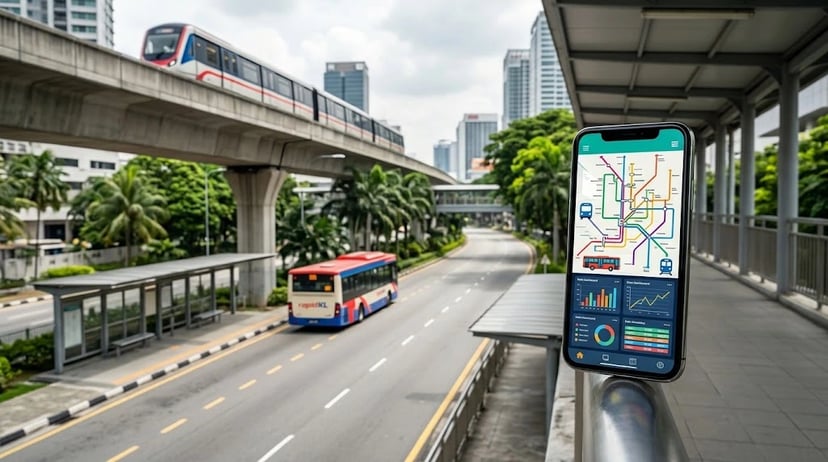
Malaysia’s existing open-data policy allows developers to build public transport applications using information such as service schedules, train frequency, and passenger numbers, with Transport Minister Anthony Loke encouraging local developers on 22 October 2026 to turn that information into tools that make everyday journeys easier to plan.
You can plan your morning carefully and still reach the bus stop wondering whether you have just missed your ride. Better travel information could take some uncertainty out of that routine, but its usefulness depends on the services covered and how current the information is.
For drivers considering a bus or train connection, the practical question is simple: can an app help you plan the whole journey with confidence?
Key takeaways
- Loke encouraged developers to use public transport data already available under an existing policy.
- His remarks were made on 22 October 2026, rather than announcing a new nationwide journey-planning app.
- Malaysia’s official transport APIs provide scheduled information and selected live vehicle-position feeds.
- Available live feeds refresh every 30 seconds, but coverage and data quality vary.
- A scheduled departure, a vehicle location and an estimated arrival time mean different things.
Table of contents
What did Anthony Loke announce?
The invitation is to build on existing information. Speaking after the launch of the Masjid Jamek LRT station beautification project, Loke said the Transport Ministry had maintained an open-data policy for several years.
He highlighted information made available by Prasarana, including passenger totals, train frequency and service schedules, as resources developers could use to improve public transport journey planning.
Public transport data also has a defined scope. RTM reported that Loke distinguished the ministry’s transport information from road-related data, which falls under the Works Ministry and Public Works Department. Developers still need suitable information for the particular service they want to build.
How could open data improve your commute?
Make routes and connections easier to understand. Scheduled information provides the foundation. Malaysia’s official GTFS Static API distributes transport feeds from KTMB, Prasarana, and participating BAS.MY services. Developers can use standardised information to build tools that explain routes and planned journeys.
For commuters, the potential benefit is a clearer view of how different parts of a journey fit together. That could be especially useful when a trip involves a feeder bus, a train and a final walk.
Show where selected vehicles are
Live positions add another layer. The official GTFS Realtime documentation lists vehicle-position feeds from KTMB, selected Prasarana bus categories, and participating BAS.MY networks, with updates every 30 seconds.
A compatible app could use those positions to display vehicles on a map. However, the feed’s refresh interval does not guarantee that every vehicle reports correctly or that an app refreshes its display at the same rate.
Make information gaps visible
Coverage remains important. The documentation says Rapid Rail’s Klang Valley category does not yet have stable real-time feeds. It also identifies occasional GPS errors that can place buses outside their expected operating area.
Developers should therefore show when information was updated and explain when a displayed time comes from a timetable.
Frequently asked questions
1. What did Anthony Loke say about public transport apps?
He encouraged local developers to use existing open public transport data to build applications that help commuters plan their journeys.
2. Did Malaysia announce a new public transport app?
The cited remarks encouraged app development using an existing open-data policy; they did not announce a new nationwide app launch.
3. What is public transport open data?
It is transport information made accessible for reuse, including information developers can turn into journey-planning tools.
4. Where can developers find Malaysia’s transport feeds?
Malaysia’s official developer portal provides GTFS Static and GTFS Realtime documentation and endpoints.
5. How often do the live vehicle-position feeds update?
The official documentation specifies a 30-second update interval, although individual vehicle reporting and app displays may vary.
6. Does live tracking cover every Malaysian train and bus?
No. Availability depends on the operator and service category, and the documentation identifies gaps in realtime rail coverage.
7. Is a vehicle location the same as an arrival prediction?
No. A vehicle location shows a reported position; predicting its arrival requires additional processing and assumptions about the remaining journey.
8. Can public transport data help drivers plan park-and-ride trips?
It can support the public transport portion of a journey. Drivers should separately verify station parking, charges and access arrangements.
9. Does this announcement mean the Motorist App has live transit tracking?
The announcement does not establish that integration. Check the app’s current features and use verified operator channels for public transport service information.
Download the Motorist App to support your car ownership journey.
Read More: What to Do If Your Car Breaks Down on a Highway in Malaysia
I want to find the highest selling price for my car within 24 hours!
Download the Motorist App now. Designed by drivers for drivers, this all-in-one app lets you receive the latest traffic updates, gives you access to live traffic cameras, and helps you manage vehicle related matters.


