JPJ steps up express bus enforcement ahead of CNY travel
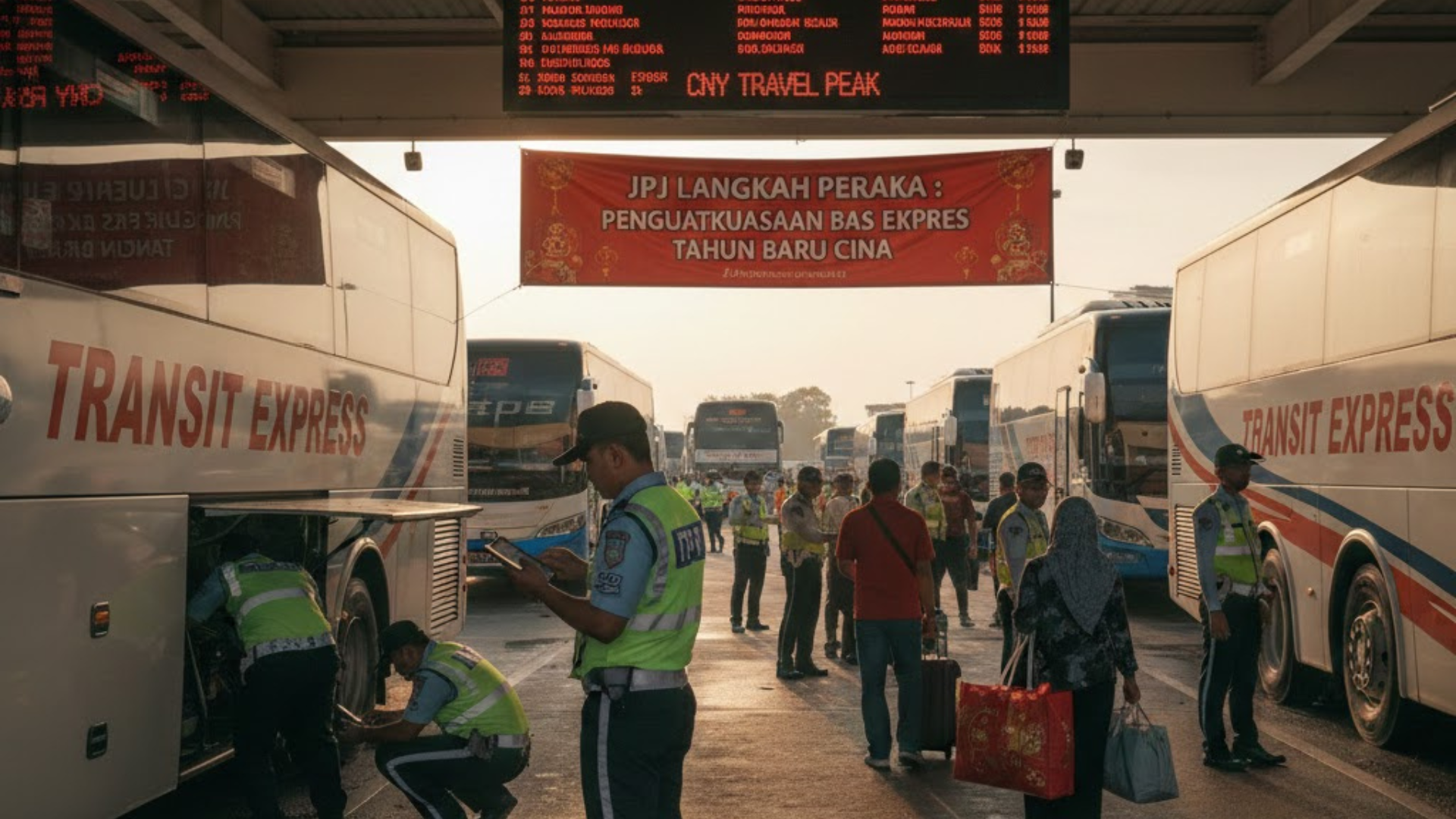
If you’ve ever worried about express bus safety, inconsistent driving standards, or poorly maintained buses on Malaysian highways, you’re not alone.
In response to growing public concern and recent road incidents, the Road Transport Department (JPJ) is stepping up enforcement on express buses nationwide—sending a clear signal that safety is non-negotiable.
This move directly affects bus operators, drivers, passengers, and fleet owners, and it marks a stricter era of accountability on Malaysia’s roads.
Why JPJ is increasing enforcement on express buses
Rising safety concerns on highways
Malaysia’s express bus network plays a critical role in long-distance travel, particularly during peak periods such as Hari Raya, school holidays, and year-end travel seasons. However, JPJ investigations have repeatedly identified safety gaps, including:
Speeding and aggressive driving behaviour
Non-compliance with mandatory driver rest periods
Poor vehicle maintenance standards
Use of unqualified or fatigued drivers
These issues pose serious risks not only to passengers but also to other road users on major highways.
Alignment with national road safety goals
The enhanced enforcement supports Malaysia’s Road Safety Plan 2022–2030, which focuses on reducing traffic-related fatalities through stricter regulation, monitoring, and compliance across public transport services.
What JPJ enforcement on express buses involves
1. Driver compliance and behaviour
JPJ officers are carrying out regular roadside checks and terminal inspections to ensure drivers meet all legal requirements. Key areas of focus include:
Possession of a valid Public Service Vehicle (PSV) licence
Adherence to maximum driving hours and rest regulations
Zero tolerance for drug or alcohol use
Drivers found violating these rules may face immediate fines, licence suspension, or prosecution.
2. Vehicle roadworthiness standards
Every express bus must comply with strict roadworthiness requirements. JPJ inspections typically cover:
Braking and steering systems
Tyre condition and alignment
Lighting, emergency exits, and safety equipment
Buses that fail inspections can be prohibited from operating until all issues are rectified and verified through Puspakom checks.
3. Technology-based monitoring
To strengthen enforcement, JPJ is increasingly relying on technology such as:
GPS tracking systems
Speed limiters
Telematics and dashcam data
These tools allow authorities to identify speeding, route deviations, and unsafe driving behaviour in real time.
Impact on express bus operators and fleet owners
What Operators must do now
Express bus operators must take proactive steps to remain compliant under tighter enforcement.
Recommended actions include:
Conducting frequent internal vehicle safety inspections
Ensuring drivers undergo refresher training on safety and compliance
Upgrading or retiring older buses that may fail JPJ or Puspakom inspections
Keeping all permits, licences, and maintenance records updated and audit-ready
For operators running ageing fleets, continued operation without upgrades may no longer be commercially or legally viable.
What this means for passengers
Improved safety and accountability
For passengers, increased JPJ enforcement translates into safer and more reliable travel. Key benefits include:
Reduced accident risks on long-distance routes
Higher professional standards among express bus drivers
Better-maintained buses and onboard safety features
Although inspections may occasionally cause short delays, the long-term outcome is improved confidence in express bus services nationwide.
Enforcement challenges and industry response
Operational pressures on operators
Some operators have expressed concerns about increased costs, downtime during inspections, and tighter margins—particularly smaller regional companies.
Despite these challenges, JPJ has made it clear that public safety remains the top priority. Compliance is mandatory, and enforcement will continue, especially during high-risk travel periods.
FAQ: JPJ express bus enforcement
Why is JPJ focusing on express buses now?
JPJ is responding to accident data and safety audits that show higher risks associated with long-distance bus travel, particularly during peak seasons.
What penalties can express bus operators face?
Penalties include compound fines, suspension of operating licences, and vehicle seizure for serious or repeat violations.
Will passengers be affected by enforcement checks?
Passengers may experience brief delays during inspections, but these checks significantly improve overall safety.
Are older buses more likely to fail inspections?
Yes. Older buses often struggle to meet updated safety and emissions standards without proper upgrades or refurbishment.
How frequently will JPJ conduct these checks?
Enforcement is ongoing, with intensified operations during festive seasons, school holidays, and long weekends.
Sell or upgrade your vehicle the smart way with Motorist Malaysia
If stricter JPJ enforcement has prompted you to rethink maintaining or upgrading your vehicles, Motorist Malaysia offers a simple, reliable solution.
- Motorist Malaysia provides a free car valuation within 24 hours
- supported by a nationwide network of more than 2,100 certified partners.
- Their Auto Concierge service handles all paperwork, including JPJ and Puspakom processes, ensuring a fully hassle-free experience.
Whether you are selling a Proton, Perodua, or commercial vehicle, Motorist Malaysia helps you secure the best possible price without the usual complications.
Download the Motorist Super App or visit www.motorist.my today to sell your car with confidence and ease.
Read More: Prosperity on the dashboard: popular CNY Car accessories in Malaysia
Download the Motorist App now. Designed by drivers for drivers, this all-in-one app lets you receive the latest traffic updates, gives you access to live traffic cameras, and helps you manage vehicle related matters.