What happens during JPJ roadblocks in 2026 and what officers check first
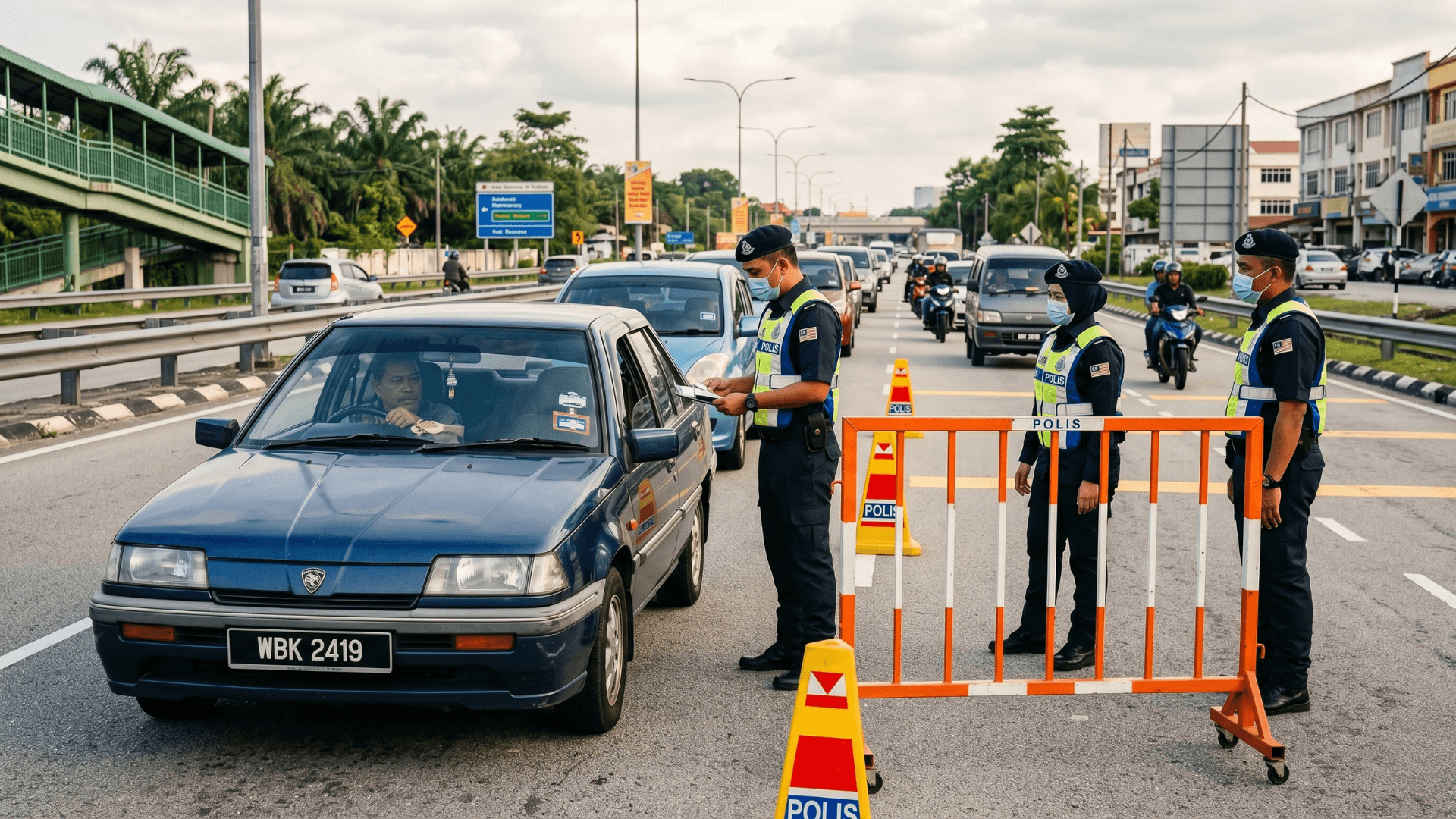
JPJ roadblocks in Malaysia have become more structured and technology-driven in 2026. Whether drivers are commuting to work, travelling interstate, or using a recently purchased used car, roadblocks remain a common part of road enforcement across the country. While many motorists feel nervous when approaching a JPJ checkpoint, understanding what officers usually inspect first can help drivers stay prepared and avoid unnecessary penalties.
In recent years, the Road Transport Department has increased its focus on vehicle compliance, road safety, and digital verification systems. Officers are now equipped with mobile scanning tools and integrated databases that allow them to identify expired documents, unpaid summonses, and vehicle irregularities within minutes. As a result, motorists are expected to ensure that both their driving documents and vehicle condition meet legal requirements at all times.
One of the first things JPJ officers usually check during a roadblock is the vehicle’s road tax and insurance validity. In 2026, most enforcement officers rely heavily on digital verification systems instead of physical stickers alone. Even though road tax displays are now largely digital, expired road tax remains one of the most common offences detected during roadblocks. Drivers who fail to renew their road tax or insurance can face fines, vehicle seizure, or further inspection.
Driving licence verification is another top priority during JPJ inspections. Officers typically request the driver’s MyKad and driving licence before checking whether the licence class matches the vehicle being driven. Suspended licences, expired licences, and cases involving drivers without valid qualifications continue to be major enforcement targets. Commercial vehicle drivers may also undergo additional checks involving vocational licences and permit documentation.
Vehicle tint compliance has also become a major focus area in 2026. JPJ officers frequently use tint meters during roadblocks to determine whether a vehicle’s window tint exceeds the legal Visible Light Transmission requirements. Excessively dark tint remains one of the most frequently issued offences because it affects visibility and road safety enforcement. Many vehicle owners install aftermarket tint without verifying JPJ-approved specifications, which often results in fines and instructions to remove the tint immediately.
Tyre condition and vehicle safety are also commonly inspected, especially during festive travel seasons and large-scale road safety operations. Officers may examine tyre tread depth, uneven tyre wear, cracked sidewalls, or oversized wheels that do not comply with vehicle regulations. Brake lights, headlights, signal lamps, and registration plates are also checked regularly because faulty lighting systems increase accident risks during night driving and bad weather.
Modified vehicles attract additional attention during JPJ roadblocks. Cars with loud exhaust systems, illegal suspension modifications, altered chassis structures, or non-compliant engine swaps are more likely to be stopped for detailed inspection. In 2026, JPJ continues to tighten enforcement against unsafe modifications that affect emissions, noise pollution, or roadworthiness. Drivers who modify their vehicles without proper approval may face summonses or be required to send the vehicle for inspection at PUSPAKOM.
Commercial and e-hailing vehicles face another layer of inspection during roadblocks. JPJ officers often verify PSV licences, e-hailing permits, trade licences, and vehicle inspection certificates. With the growing number of gig economy drivers in Malaysia, enforcement operations now include more checks on ride-hailing and delivery vehicles to ensure passenger safety and legal compliance.
Another area officers increasingly monitor is outstanding summonses and blacklisted vehicles. Through integrated systems, JPJ officers can instantly identify vehicles linked to unpaid penalties, ownership disputes, cloned registration numbers, or ongoing investigations. This digital enforcement approach allows officers to take immediate action without relying solely on physical documentation.
For used car owners, roadblocks can sometimes reveal issues inherited from previous owners. Some buyers unknowingly purchase vehicles with unpaid summonses, expired insurance, illegal modifications, or ownership transfer problems. This is why conducting proper checks before purchasing a used car has become more important than ever in 2026. A vehicle that appears clean externally may still carry legal or compliance risks that only surface during enforcement inspections.
Drivers can reduce the likelihood of problems during JPJ roadblocks by ensuring that all documents remain valid and that the vehicle is maintained according to legal standards. Keeping tyres in good condition, ensuring lights function properly, avoiding illegal modifications, and renewing insurance on time can help motorists pass inspections smoothly. Calm cooperation with enforcement officers also helps speed up the process and avoids unnecessary complications.
As road enforcement technology continues to evolve, JPJ roadblocks are becoming faster, smarter, and more data-driven. Motorists who stay informed about current regulations and maintain their vehicles responsibly are less likely to face penalties or delays. In 2026, preparation and compliance remain the best way to avoid trouble during roadside inspections.
FAQ
1. What do JPJ officers usually check first during roadblocks?
JPJ officers usually begin by checking road tax validity, insurance status, and the driver’s licence. They may also scan the vehicle registration through digital systems to identify summonses or compliance issues.
2. Can JPJ detect expired road tax digitally in 2026?
Yes. JPJ officers now use integrated digital systems that allow them to verify road tax and insurance status instantly without depending only on physical stickers.
3. Will JPJ check window tint during roadblocks?
Yes. Tint compliance is one of the most common inspections during JPJ operations. Officers may use tint meters to ensure the vehicle meets legal visibility standards.
4. Can modified cars be stopped more frequently?
Vehicles with loud exhausts, lowered suspension, unusual wheels, or visible modifications are more likely to attract inspection during JPJ roadblocks.
5. What happens if a vehicle has unpaid summonses?
JPJ officers can detect unpaid summonses during inspections. Depending on the severity of the offence, motorists may receive warnings, fines, or further enforcement action.
Before buying or selling a used car, make sure your vehicle records, ownership details, and compliance status are fully checked. Motorist Malaysia helps Malaysian drivers make smarter automotive decisions with vehicle insights, car selling support, loan assistance, insurance services, and trusted marketplace solutions designed for today’s motorists.
Read More: Why full service record cars attract faster buyers in Malaysia
I want to find the highest selling price for my car within 24 hours!
Download the Motorist App now. Designed by drivers for drivers, this all-in-one app lets you receive the latest traffic updates, gives you access to live traffic cameras, and helps you manage vehicle related matters.