The most common JPJ mistakes Malaysian drivers still make in 2026
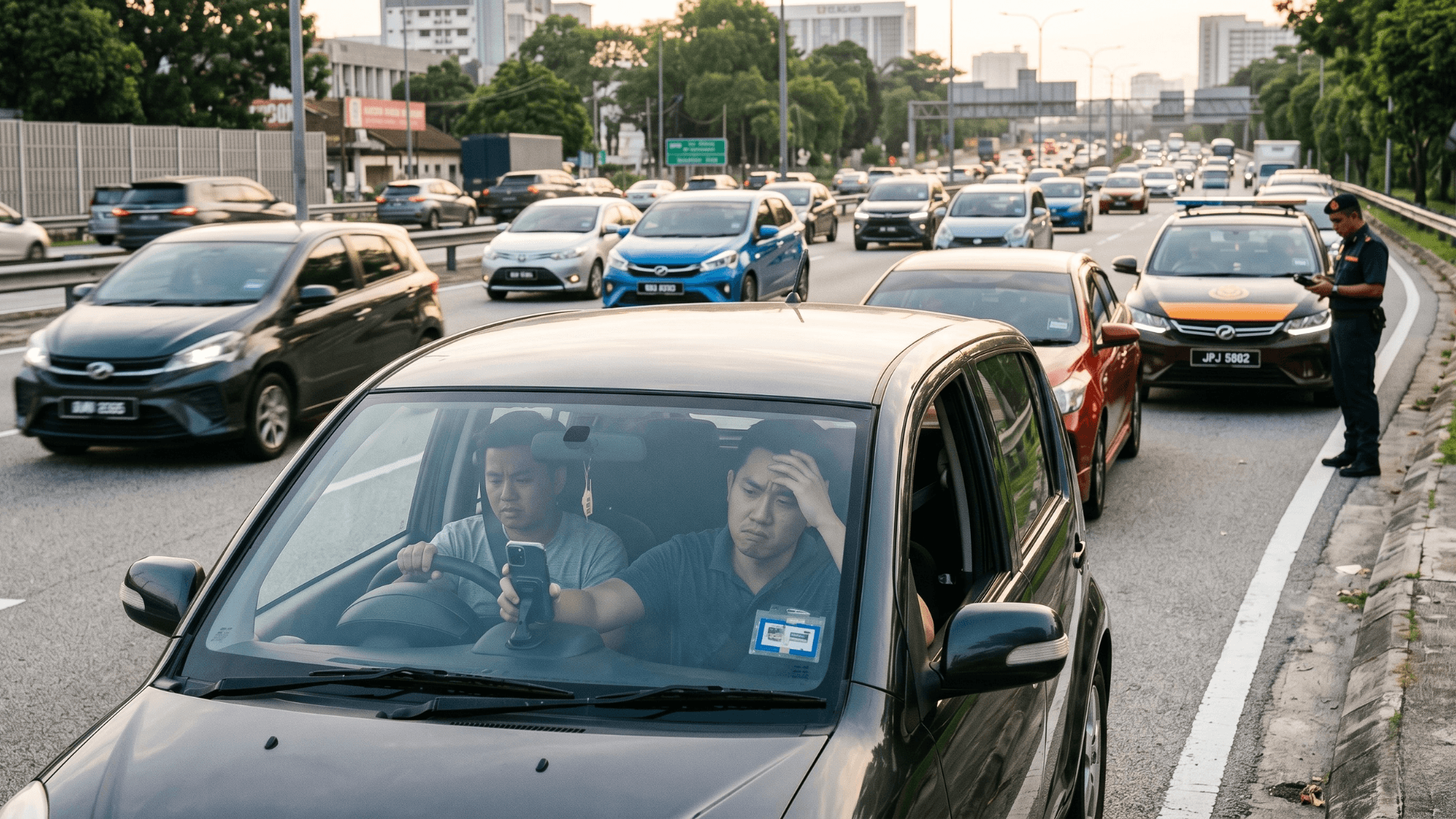
Driving in Malaysia comes with responsibilities that go beyond simply following traffic lights and speed limits. Every year, thousands of motorists still receive fines, summonses, or inspection notices from the Road Transport Department Malaysia, commonly known as JPJ, for avoidable mistakes. While many drivers believe they understand the rules, simple oversights continue to cause unnecessary problems on the road.
In 2026, JPJ enforcement has become stricter and more technology-driven. Roadblocks, digital checks, automated systems, and integrated databases now make it easier for officers to identify offences almost instantly. Despite this, many Malaysian drivers continue repeating the same common mistakes without realising the risks involved.
One of the biggest issues remains expired road tax and insurance. Some drivers assume they have a grace period after expiry, but Malaysian law requires both road tax and insurance to remain active at all times. Even forgetting to renew for a few days can lead to penalties during a JPJ roadblock or routine inspection. With most renewals now handled digitally, authorities expect motorists to keep track of expiry dates responsibly.
Another common mistake is driving with an invalid or expired driving licence. Many drivers focus only on road tax renewal and forget that their driving licence also requires timely renewal. This issue is especially common among older drivers or those who rarely check their digital licence status through official apps. During enforcement operations, JPJ officers usually verify licence validity early in the inspection process.
Illegal window tint remains another major offence in Malaysia. Although tinting rules have become more flexible over the years, many drivers still install darker tints that exceed legal visibility limits. Some motorists rely on verbal assurances from tint shops without checking whether the tint complies with JPJ regulations. During inspections, officers use tint meters to measure visible light transmission, and non-compliant vehicles can receive hefty fines or inspection notices.
Vehicle modification offences also continue to rise. Modified exhaust systems, lowered suspensions, oversized rims, and unauthorised lighting upgrades are among the most frequently flagged issues. Many car owners modify their vehicles for style or performance without understanding that certain modifications require JPJ approval. In some cases, vehicles may even fail inspections or be prohibited from operating on public roads until the modifications are corrected.
Drivers also frequently overlook basic vehicle maintenance. Faulty brake lights, damaged headlights, worn tyres, and cracked windscreens may seem minor, but they can attract enforcement action because they directly affect road safety. JPJ officers often inspect vehicle condition during roadblocks, especially when they suspect the vehicle may not be roadworthy.
Another growing issue in 2026 involves the misuse of registration plates. Fancy fonts, altered spacing, reflective covers, and non-standard number plate designs remain common despite repeated warnings from authorities. Automated enforcement systems and ANPR technology rely on clear and readable plates, which is why JPJ continues cracking down on non-compliant designs.
Commercial vehicle drivers and e-hailing drivers also face increasing scrutiny. Some continue operating without proper permits, PSV licences, or updated documentation. As Malaysia’s transport sector becomes more regulated, enforcement agencies are paying closer attention to compliance among gig economy and commercial drivers.
Many motorists are also unaware that unpaid summonses can create larger problems over time. Ignoring fines may eventually affect road tax renewal, vehicle ownership matters, or legal proceedings. In recent years, enforcement integration between government agencies has made it harder for drivers to avoid unresolved penalties.
One reason these mistakes continue happening is misinformation shared online or through word of mouth. Drivers often rely on outdated advice from friends, social media posts, or workshops that may no longer reflect current regulations. JPJ rules evolve regularly, especially regarding tint regulations, vehicle modifications, and digital enforcement systems. Staying updated through official channels has become increasingly important for Malaysian motorists.
Technology has also changed how enforcement works. Officers no longer depend solely on manual inspections. Integrated systems can now instantly check road tax validity, insurance status, summons records, and licence information during roadblocks. This means even small compliance issues are easier to detect than before.
For used car buyers, understanding these common JPJ mistakes is equally important. A vehicle with illegal modifications, unpaid summonses, or documentation issues can become a costly problem after purchase. Buyers should always conduct proper inspections and verify ownership records before completing a transaction.
Responsible driving today is not just about avoiding fines. It also reflects a driver’s commitment to road safety and legal compliance. Simple habits like renewing documents early, checking vehicle conditions regularly, and understanding current regulations can prevent unnecessary stress and financial penalties.
As enforcement continues to modernise in Malaysia, drivers who stay informed and proactive will face fewer problems on the road. Small oversights that once went unnoticed are now far more visible under today’s digital enforcement systems.
FAQ
1. What does JPJ usually check first during roadblocks in Malaysia?
JPJ officers commonly check road tax validity, driving licences, insurance status, and vehicle condition during roadblocks. They may also inspect window tint compliance and registration plates.
2. Can I drive with expired road tax if insurance is still active?
No. Both road tax and insurance must remain valid for a vehicle to be legally driven on Malaysian roads.
3. Are modified exhausts legal in Malaysia?
Certain modifications may require approval from JPJ. Extremely loud or non-compliant exhaust systems can result in fines or inspection notices.
4. Can dark window tint cause JPJ fines?
Yes. If the tint does not meet legal visibility requirements, JPJ can issue fines and require the tint to be removed.
5. What happens if I ignore JPJ summonses?
Unpaid summonses may lead to additional penalties, difficulties renewing road tax, or further legal action depending on the offence.
If you are planning to buy, sell, or upgrade your vehicle, Motorist Malaysia helps Malaysian drivers make smarter automotive decisions with trusted support, vehicle insights, and convenient services designed for today’s car owners.
Read More: What happens during JPJ roadblocks in 2026 and what officers check first
I want to find the highest selling price for my car within 24 hours!
Download the Motorist App now. Designed by drivers for drivers, this all-in-one app lets you receive the latest traffic updates, gives you access to live traffic cameras, and helps you manage vehicle related matters.