Can you sell a car after the owner has passed away?
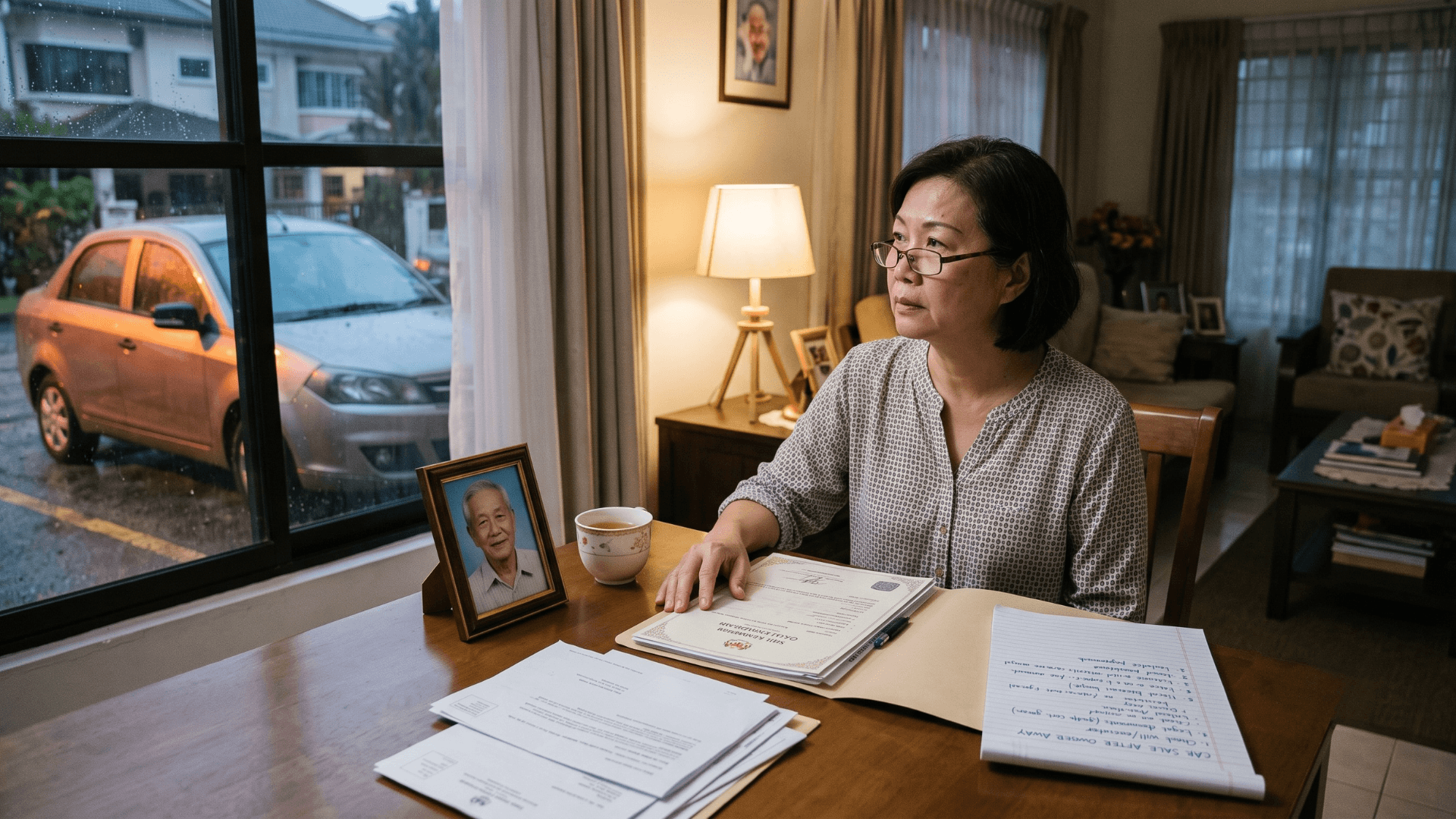
A car can be sold in Malaysia after the registered owner has passed away, but it cannot usually be sold like a normal used car transaction. The reason is simple. Once the registered owner dies, the vehicle becomes part of the deceased person’s estate. Before the car can be legally transferred or sold, the right person must be authorised to handle the vehicle on behalf of the estate.
This is where many families get confused. A spouse, child, sibling, or relative may be using the car, paying for its maintenance, or keeping the road tax active, but that does not automatically mean they can sell or transfer ownership. In Malaysia, JPJ requires proper supporting documents before a vehicle registered under a deceased owner can go through a non-voluntary ownership transfer. JPJ states that vehicles owned by a deceased registered owner require documents such as a High Court order, Grant of Probate, Letter of Administration, Small Estate Distribution Order, AmanahRaya distribution instruction, or other recognised estate-related documents, depending on the case.
What happens to the car when the owner passes away?
When a car owner passes away, the vehicle is treated as an asset of the estate. This means the car should be handled according to the estate administration process before it is sold to another person. The person managing the estate may be an executor, administrator, appointed beneficiary, or next of kin recognised through the proper legal documents.
This step is important because JPJ needs to confirm that the person requesting the transfer has the legal right to do so. Without this confirmation, a buyer may pay for a car but later face problems completing the ownership transfer. For the seller’s family, selling without proper documents can also lead to disputes among heirs or delays if another family member challenges the sale.
Can the family sell the car immediately?
In most cases, the family should not treat the car as ready for immediate sale until the estate documents are settled. A potential buyer may be found early, but the actual transfer of ownership will still depend on whether JPJ accepts the required documents and whether there are any restrictions on the vehicle.
JPJ’s guide for non-voluntary ownership transfer states that there must be no restrictions on the transaction, such as unresolved finance ownership claims, customs tax records, blacklist records, or other registration conditions. The vehicle, except for motorcycles, must also undergo inspection at an appointed motor vehicle inspection centre before transfer.
This means the family should first check whether the car still has an outstanding loan, unpaid summons, blacklist record, or missing vehicle documents. These issues can affect the timeline and may need to be cleared before the vehicle can be sold smoothly.
What documents are usually needed?
The exact documents may vary depending on the estate situation, but families should generally prepare the death certificate, the vehicle ownership certificate or VOC, the identification document of the authorised person, and the relevant estate administration document.
For a deceased registered owner, JPJ recognises several types of supporting documents for non-voluntary vehicle ownership transfer. These may include a certified High Court Order, certified Grant of Probate, certified Letter of Administration or Estate Administrator Letter, Small Estate Distribution Order or order granting power to administer under the Small Estates (Distribution) Act 1955, AmanahRaya’s certified distribution instruction, certified Faraid Order, and certain Sabah-related estate documents where applicable.
If the VOC or vehicle registration certificate is missing, the family may need to apply for a copy from JPJ. According to JPJ, if the registered owner has passed away, the JPJ K7 form must be signed by the heir appointed by the Court or Small Estate office, or by the executor, executrix, or administrator appointed through the relevant Letter of Administration, Grant of Probate, or AmanahRaya document.
Does the car need inspection before transfer?
Yes, for most cars, inspection is part of the ownership transfer process. Malaysia’s official government portal explains that used vehicle transactions require inspection at PUSPAKOM or an accredited Motor Vehicle Inspection Service centre before ownership transfer. It also states that if the original owner is deceased, the estate administration process must be followed.
This inspection helps confirm the vehicle’s identity and condition for transfer purposes. Families should avoid waiting until the last minute, especially if the car has been unused for some time, because issues such as expired insurance, expired road tax, battery problems, tyre condition, or missing documents may slow down the process.
What if the car still has an outstanding loan?
If the car is still under financing, the loan must be handled before ownership can be transferred. The finance company may still have a claim over the vehicle, which means the estate or authorised person may need to settle the outstanding balance or obtain the necessary clearance from the bank.
This is one of the most common reasons why a deceased owner’s car cannot be sold quickly. A buyer may be interested, but if the loan has not been cleared, the transfer cannot proceed as a normal sale. Families should contact the finance company early to understand the outstanding amount, settlement procedure, and documents required.
Can the car be sold directly to a buyer?
The car can be sold once the authorised person has the proper estate documents and the transfer requirements can be completed. However, selling directly to a private buyer may be more complicated because the buyer may not be familiar with deceased-owner cases. Some buyers may also avoid the car if they are unsure whether the transfer can be completed.
For this reason, families should be transparent from the beginning. The buyer should know that the registered owner has passed away and that the sale depends on estate approval and JPJ transfer requirements. This protects both sides and reduces the risk of misunderstanding.
Why proper transfer matters
A car should not remain under a deceased person’s name for too long if the family plans to continue using or selling it. If ownership is not updated, future problems may arise with insurance claims, road tax renewal, summons, accident responsibility, or resale. Even if the car is still usable, the legal ownership record must eventually match the person who has the right to own or sell the vehicle.
Proper transfer also protects the heirs. When the estate process is completed clearly, the family can decide whether to keep the car, transfer it to a beneficiary, or sell it for the best possible price. This reduces conflict and makes the vehicle easier to manage.
How to make the selling process smoother
The best approach is to organise the documents before looking for a buyer. Families should confirm who is legally authorised to handle the vehicle, obtain the necessary estate document, check the car’s loan and blacklist status, prepare the VOC, arrange inspection if required, and only then proceed with the sale or valuation.
It is also wise to get a proper market valuation before accepting an offer. Some families may rush the sale because they want to settle estate matters quickly, but this can result in a lower selling price. A deceased owner’s car can still have strong resale value if the model, condition, mileage, and demand are favourable.
Selling through a trusted platform can help because the family can better understand the car’s estimated market value, compare offers, and avoid unnecessary back-and-forth with uncertain buyers.
(FAQ)
1. Can a deceased person’s car be sold in Malaysia?
Yes, it can be sold, but the authorised person must first complete the proper estate and JPJ ownership transfer process. The car cannot usually be sold like a normal transaction because the registered owner is no longer able to sign or verify the transfer.
2. Can a family member sell the car without changing ownership first?
A family member should not sell the car unless they are legally authorised to handle the deceased owner’s estate. JPJ will require recognised supporting documents before the ownership transfer can proceed.
3. What if the car is still under loan?
The outstanding loan must be checked with the finance company. If the vehicle still has a finance ownership claim, the loan may need to be settled or cleared before the car can be transferred or sold.
4. Is PUSPAKOM inspection required?
For most cars, inspection is required before ownership transfer. JPJ states that motor vehicles, except motorcycles, must undergo inspection at an appointed inspection centre for non-voluntary ownership transfer.
If your family is planning to sell a car after the owner has passed away, start by getting the documents in order and knowing the car’s real market value. Motorist Malaysia makes the selling process easier by helping you get a free car valuation, compare offers from trusted buyers, and move forward with more confidence once the ownership documents are ready. Submit your car details with Motorist Malaysia today and find out how much your vehicle could be worth.
Read More: Why many Malaysians are selling their cars before they turn 10 years old
I want to find the highest selling price for my car within 24 hours!
Download the Motorist App now. Designed by drivers for drivers, this all-in-one app lets you receive the latest traffic updates, gives you access to live traffic cameras, and helps you manage vehicle related matters.