Road trip car checklist: 9 things to check first
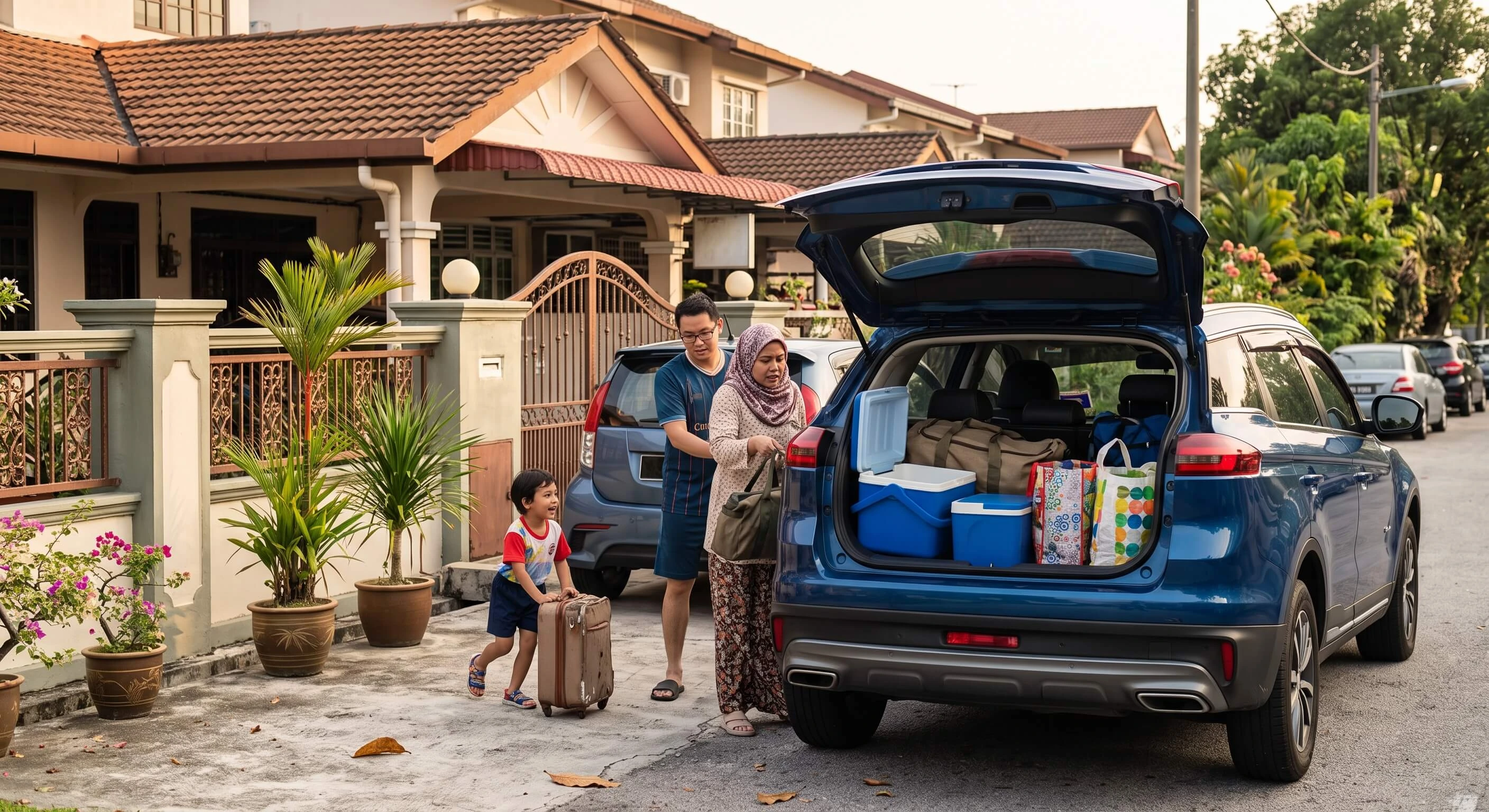 Going on a road trip? Check your car first
A pre-road-trip car check should cover your engine oil, fluids, tyres, battery, lights, brakes and emergency equipment before you start driving. Long-distance driving can put extra stress on your vehicle, so checking these key components beforehand can help you identify potential problems before they become roadside trouble.
Whether you are heading back to your hometown, travelling across states or planning a weekend getaway, a few checks before leaving can make a difference to your journey.
Key takeaways
- Check your tyres: Inspect tyre pressure, tread and sidewalls before a long drive.
- Check your fluids: Make sure engine oil, coolant, brake fluid and other essential fluids are at suitable levels.
- Inspect your battery and lights: Check for starting problems and make sure all important lights and signals work.
- Check your brakes: Look out for unusual noises, vibrations or changes in braking performance.
- Prepare an emergency kit: Carry essentials such as a spare tyre, jack, warning triangle, jumper cables and a first-aid kit.
1. Check your engine oil
Start with the engine oil: Check the oil level using the dipstick while the engine is off and parked on a level surface. The level should sit between the minimum and maximum markings.
If your scheduled oil change is approaching, consider servicing the car before your trip. Long-distance driving can add significant mileage, so starting your journey with properly maintained engine oil is important.
2. Check other essential fluids
Engine oil isn't the only fluid that matters: Your car also relies on coolant, transmission fluid, brake fluid, power steering fluid and windscreen washer fluid.
Check the levels according to your vehicle manufacturer's instructions. Some fluids are easy to inspect yourself, while others may require a workshop to check properly.
| Fluid | Why check it before a road trip? |
|---|---|
| Engine oil | Helps lubricate the engine |
| Coolant | Helps prevent overheating |
| Brake fluid | Supports the braking system |
| Transmission fluid | Helps the gearbox operate properly |
| Windscreen washer fluid | Helps keep your windscreen clear |
Don't top up blindly: Always use the correct fluid and specification recommended for your vehicle.
3. Check your tyres
Your tyres are your car's only contact with the road: Check the pressure, tread and sidewalls before leaving.
The recommended tyre pressure can usually be found on the sticker around the driver's door area or in the owner's manual. Look for cuts, bulges, cracks or objects stuck in the tread and sidewalls.
Check the tread too: Tyre tread wear indicators are generally set at approximately 1.6 mm. When the tread becomes level with these indicators, the tyre should be replaced.
Don't forget to inspect the spare tyre and make sure your tyre-changing tools are available if your vehicle carries a spare.
4. Check the car battery
Listen when you start the car: A slow or struggling engine crank can be a warning sign of a battery or starting-system issue.
As a general reference, a healthy 12-volt battery may show around 12–13 volts with the engine off and approximately 13.5–14.5 volts while the engine is running. A multimeter can provide a basic reading, but a proper battery test is preferable if you suspect a problem.
Don't wait for the battery to fail: If you're already experiencing starting problems, get the battery and charging system inspected before travelling.
5. Make sure your lights and signals work
Check every important light: Test your headlights, indicators, brake lights, reverse lights and taillights before leaving.
This is particularly important if you expect to drive at night or during heavy rain. Faulty lighting can reduce your visibility and make it harder for other road users to see your vehicle.
A simple check takes minutes: Turn the lights on and walk around the vehicle, or ask another person to operate the lights and brake pedal while you inspect them.
6. Check your brakes
Don't ignore changes in braking: Pay attention to squealing, grinding, vibrations, unusual pedal behaviour or a longer stopping distance.
Brakes can experience additional stress on hilly roads, particularly when travelling through areas with steep climbs and descents. As a general reference, brake pads around 6 mm thick may still have usable material, but brake condition should be assessed based on the vehicle manufacturer's specifications and a proper inspection.
If something feels wrong, get it checked: A workshop can properly inspect the brake pads, discs and braking system before your trip.
7. Prepare a car emergency kit
Be prepared for problems you can't predict: An emergency kit can be useful if you experience a puncture, battery failure or roadside breakdown.
Consider keeping these items in your vehicle:
- Spare tyre and tyre-changing tools
- Jack
- Warning triangle
- Jumper cables
- Basic toolbox
- Gloves
- Torch or flashlight
- Power bank
- Drinking water
- First-aid kit
- Umbrella or raincoat
Keep the equipment accessible: Don't bury your emergency kit underneath several bags of luggage. You should be able to reach essential items quickly if you need them.
8. Check the car after your trip
Your checklist doesn't end when you arrive home: Give the car another inspection after a long journey, especially if you travelled through difficult road conditions.
Pay attention to new noises, warning lights, tyre damage, fluid levels or changes in how the car drives.
Driving on hilly roads
Pay attention to the brakes and gearbox: Long climbs and descents can place additional demands on both systems.
Check for unusual gear changes, transmission warning lights or changes in braking performance after returning from a hilly route.
Driving on wet or muddy roads
Inspect your tyres and underbody: Mud and rough conditions can expose your car to additional impacts and dirt.
Check the tyres after the trip and consider having the wheel alignment inspected if the car begins pulling to one side or the steering feels different.
Driving on sandy roads
Clean the car promptly: Sand can accumulate around the wheels, exterior surfaces and other hard-to-reach areas.
A thorough wash can help remove dirt and sand before it causes longer-term cosmetic or mechanical issues.
9. Clean your car after the journey
Give the cabin and exterior a proper clean: Remove rubbish and clean the seats, carpets, dashboard and steering wheel after a long trip.
For the exterior, wash away accumulated mud, dirt and other contaminants. If you notice a new dent or scratch, inspect it rather than allowing the damage to go unnoticed.
Old way vs Motorist App
Preparing the car still requires a physical inspection, but Motorist App can help you manage the ownership tasks around your vehicle. The app helps car owners keep track of important reminders, vehicle information, traffic updates, fuel-price information and Personal AutoConcierge assistance.
| Road-trip task | Old way | Motorist App |
|---|---|---|
| Road tax reminder | Remember the 1 expiry date yourself | Receive road tax expiry reminders |
| Insurance reminder | Track the 1 policy date manually | Receive insurance expiry reminders |
| Traffic updates | Check multiple sources | Access traffic updates through the app |
| Motoring questions | Search online or contact different parties | Ask Personal AutoConcierge through in-app chat |
| Vehicle details | Keep information separately | Keep vehicle information in the app |
| Petrol prices | Search for prices manually | Check petrol-price information and alerts |
The important distinction: Motorist App does not physically inspect your tyres, brakes, fluids or battery. It helps manage the ownership side of your vehicle, while mechanical checks should still be carried out by you or a qualified workshop.
Expert tip: check tyre pressure when the tyres are cold
Check your tyre pressure before driving, when the tyres are cold. Use the pressure specified by your vehicle manufacturer rather than copying the number from another car or using a generic pressure.
Common mistake: checking only the engine oil
Don't treat an engine-oil check as a complete road-trip inspection. A car can have sufficient oil while still having a worn tyre, weak battery, faulty light or brake problem.
Conclusion
A proper road trip car checklist should cover your engine oil, fluids, tyres, battery, lights, brakes and emergency equipment before you leave. After returning, check the vehicle again, particularly if you travelled through hilly, wet, muddy or sandy conditions.
FAQs
1. What should I check on my car before a road trip?
Check the engine oil, other fluids, tyres, battery, lights, brakes and emergency equipment before starting a long journey.
2. How much tyre tread is safe for a road trip?
Tyre tread wear indicators are generally set at approximately 1.6 mm. When the tread reaches the indicators, the tyre should be replaced.
3. What tyre pressure should I use before a long drive?
Use the tyre pressure recommended by your vehicle manufacturer. You can normally find it on the driver's-door sticker or in the owner's manual.
4. What voltage should a car battery have?
A typical 12-volt battery may show around 12–13 volts with the engine off and approximately 13.5–14.5 volts with the engine running.
5. What should I keep in a car emergency kit?
Useful items include a spare tyre, jack, warning triangle, jumper cables, basic tools, flashlight, power bank, water and a first-aid kit.
6. Should I check my brakes before a road trip?
Yes. Look for unusual noises, vibrations, changes in pedal feel or longer stopping distances. If you notice any of these symptoms, have the braking system inspected before travelling.
7. Should I check my car after a road trip?
Yes. Inspect the tyres, fluids, brakes and other components after a long journey, especially if you drove through hilly, wet, muddy or sandy terrain.
8. What does Motorist App do for Malaysian car owners?
Motorist App provides vehicle-management features including road tax and insurance reminders, vehicle details, traffic information, fuel-price updates and Personal AutoConcierge.
9. Can Motorist AutoConcierge answer motoring questions?
Yes. Personal AutoConcierge provides personalised assistance through in-app chat for motoring-related questions.
10. Can Motorist App replace a car inspection?
No. Motorist App helps with vehicle ownership management and reminders, but physical components such as tyres, brakes, fluids and the battery still need to be inspected separately.
Get the Motorist App
Read More: BUDI Diesel: Now you can share it with anyone
I want to find the highest selling price for my car within 24 hours!
Download the Motorist App now. Designed by drivers for drivers, this all-in-one app lets you receive the latest traffic updates, gives you access to live traffic cameras, and helps you manage vehicle related matters.