KPDN seizes 10,920 litres of suspected illegal diesel in Kedah
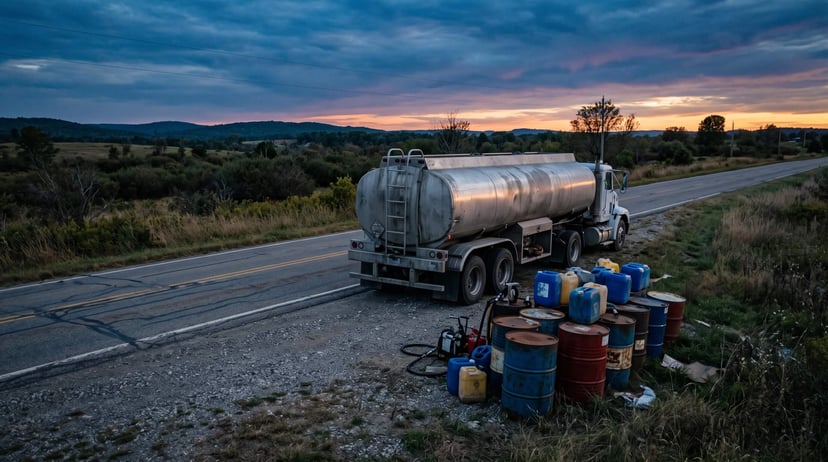 KPDN seizes 10,920 litres of suspected illegal diesel in Kedah
Malaysia’s Ministry of Domestic Trade and Cost of Living (KPDN) took action in Kedah by seizing 10,920 litres of diesel that was suspected to be traded. The fuel was valued at RM52,197.60. Authorities stopped a tanker truck because they had concerns about handling of controlled goods.
Along with the fuel the tanker truck was also seized. That brought the value of all seized items to RM102,197.
This case shows Malaysia is still working hard to stop the misuse of controlled fuel supplies. For drivers knowing how diesel enforcement works and watching their fuel spending is key, to being a vehicle owner.
Key takeaways
10,920 litres of diesel seized: KPDN Kedah confiscated suspected illegally traded diesel valued at RM52,197.60.
Total seizure value of RM102,197: The confiscation included the diesel and a tanker truck.
A man was detained: A local man in his 30s was remanded for three days to assist with investigations.
Investigation under the Control of Supplies Act 1961: Authorities are investigating suspected dealings in controlled goods without a valid licence.
Motorists can monitor vehicle expenses: The Motorist App helps car owners manage their vehicle-related information and ownership costs.
What happened in the Kedah diesel seizure?
The seizure happened on 19 October 2026 around 5pm on Jalan Sematang Pinang, Kuala Kedah, Alor Setar after the tanker was stopped by the Region One Marine Police Force and given to KPDN Kedah.
Why did the authorities take the diesel?
Strange papers made people worry. When officers checked they saw the tanker had diesel with an invoice. More checks showed the fuel came from a wholesaler that did not have a license to handle controlled items.
KPDN then took the diesel and the tanker, for checks. The authorities have not said anyone is guilty just because they took the diesel. The case is still being looked into.
How much was seized?
The reported figures are as follows:
| Item | Reported amount |
|---|---|
| Diesel seized | 10,920 litres |
| Estimated diesel value | RM52,197.60 |
| Tanker and diesel combined | RM102,197 |
| Date of operation | 19 October 2026 |
| Location | Jalan Sematang Pinang, Kuala Kedah, Alor Setar |
| Suspect detained | One local man in his 30s |
| Remand period | Three days, starting 21 October 2026 |
The diesel value was calculated by dividing the reported value by the quantity that was seized. The diesel figure is an estimate based on the seizure data. It is not a confirmed retail pump price.
What law governs illegal diesel trading in Malaysia?
The Act of Control of Supplies 1961 deals with crimes related to controlled items, including some activities, with diesel. Companies that work with controlled items need to follow the licenses and other legal rules.
In this situation KPDN is looking into the illegal deal. The exact charge and what happens next will depend on the investigation and any legal steps that follow.
What penalties can apply?
According to the law if a person is convicted of an offence under the relevant provisions that person may face a fine of up to RM1 million or imprisonment for up to three years or both. For an later offence the maximum penalties increase to RM3 million or imprisonment for, up to five years or both. Companies and other corporate bodies face maximum fines.
These maximum penalties are reported for the offences and penalties do not guarantee that the punishment will be exactly as stated. The final outcome depends on the offence charged the evidence presented and the decision of the court.
Why diesel enforcement matters to Malaysian motorists
Fuel supply and vehicle expenses go hand in hand. Diesel plays a role in commercial transport, logistics and many work vehicles. If there’s suspected diversion of controlled fuel supplies it can mess up how fuel is meant to be shared. That makes it harder to make sure the right people get the help they’re supposed to.
For drivers the key is to watch how much they spend on fuel and other regular car costs. Keeping an eye on spending helps drivers notice changes in their budgets. It also makes it easier to plan for things like car maintenance, insurance and other ownership costs.
How can you keep track of your car ownership costs?
The Motorist App is a tool for managing all vehicle-related information. Of searching through piles of receipts and notes drivers can use the app to organize everything in one place. It helps them stay on top of their car expenses and know what’s going on with their vehicle.
AutoConcierge can also support the Motorist experience. It sends updates and reminders about vehicle tasks. This helps owners not miss things, like oil changes or inspections.
Old way vs. Motorist App: managing car ownership
The diesel seizure provides a useful reminder of why it pays to understand vehicle expenses. The following comparison illustrates how a more organised approach can help motorists manage their own costs.
| Task | Traditional approach | Using the Motorist App |
|---|---|---|
| Recording fuel spending | Keep receipts and calculate totals manually | Organise vehicle-related information in one place |
| Reviewing monthly expenses | Add up separate notes and receipts | Use your recorded information to review ownership costs |
| Checking vehicle value | Search listings and estimate manually | Access vehicle valuation services through Motorist |
| Planning vehicle ownership | Rely on personal reminders and scattered records | Use the platform to help manage vehicle-related information |
Note: The table compares general approaches to vehicle ownership management. It does not imply that the app automatically imports fuel receipts, calculates every expense or guarantees savings.
Expert tip: Keep your fuel records organised
Keep receipts and records for every time you buy fuel. If you drive a vehicle or take care of a fleet make sure that invoices, delivery records and any needed permits or licenses are correct and easy to find. Good paperwork can help show that fuel purchases follow the rules that apply.
For people who drive cars for use keeping track of fuel costs every now and then also helps spot changes, in the money spent each month and plan the budget better.
Common mistake: Assuming every diesel transaction is illegal
Do not mix a suspected crime with a confirmed crime. The Kedah case involves suspected activities involving restricted items backed by worries about the paperwork and the suppliers license.
Purchasing diesel is not always against the law. The details, the rules that are in place the licenses needed and the proof available decide if a crime took place. Drivers and companies should look into the rules that're relevant, to their situation instead of making guesses.
Conclusion
The seizure of 10,920 litres of suspected traded diesel, in Kedah valued at RM52,197.60 shows why Malaysia’s controlled-goods laws need to be taken seriously. For drivers keeping vehicle records organised and tracking ownership expenses are ways to handle the cost of driving. It’s not about saving money, it’s about staying on the right side of the law too.
FAQs
1. How much diesel did KPDN seize in Kedah?
KPDN Kedah seized 10,920 litres of suspected illegally traded diesel worth RM52,197.60 on 19 October 2026. The total value of the diesel and tanker was RM102,197.
2. Where did the diesel seizure take place?
The seizure took place on Jalan Sematang Pinang, Kuala Kedah, in Alor Setar, Kedah, at approximately 5pm on 19 October 2026.
3. Why did KPDN seize the diesel?
The tanker was carrying diesel accompanied by a suspicious invoice. Investigators found indications that the fuel had come from a wholesaler without a valid licence to deal in controlled goods.
4. Was anyone arrested in the Kedah diesel case?
A local man in his 30s was detained to assist with investigations and remanded for three days from 21 October 2026. His detention does not, by itself, establish guilt.
5. What law covers illegal diesel trading in Malaysia?
The Control of Supplies Act 1961 governs offences involving controlled goods, including relevant unauthorised dealings in diesel. The applicable requirements and penalties depend on the specific offence and circumstances.
6. What is the penalty for illegal diesel trading in Malaysia?
For a first offence under the relevant provisions, a person convicted may face a fine of up to RM1 million, imprisonment for up to three years, or both. For a second or subsequent offence, the reported maximum is RM3 million, imprisonment for up to five years, or both. The actual penalty depends on the offence and court outcome.
7. Is buying diesel illegal in Malaysia?
No. Buying diesel is not automatically illegal. However, businesses and individuals involved in particular controlled-goods transactions must comply with the applicable laws, licensing conditions and other requirements.
8. How can motorists manage their fuel and vehicle expenses?
Motorists can keep fuel receipts, record spending and review their monthly running costs alongside maintenance and other vehicle expenses. The Motorist App can also help owners organise vehicle-related information and access relevant vehicle services.
9. Can the Motorist App help me check my car's value?
Yes. Motorist provides vehicle valuation services that can help owners understand their car's estimated market value. An estimate is not a guaranteed selling price, which can vary according to the vehicle's condition, mileage and market demand.
Track your vehicle with the Motorist App
Read More: What to Do If Your Car Breaks Down on a Highway in Malaysia
I want to find the highest selling price for my car within 24 hours!
Download the Motorist App now. Designed by drivers for drivers, this all-in-one app lets you receive the latest traffic updates, gives you access to live traffic cameras, and helps you manage vehicle related matters.


