38 drug-positive drivers caught in Penang so far in 2026
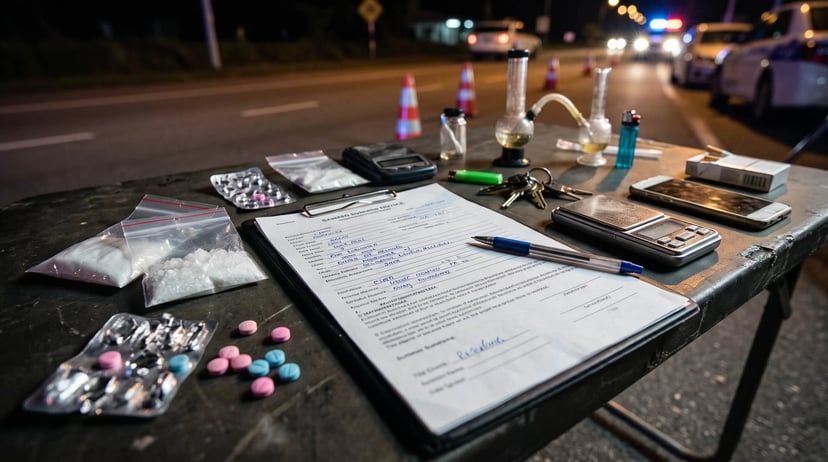
38 drivers tested positive for drugs in Penang this year
Penang's Road Transport Department (JPJ) found 38 drivers who tested positive for drugs between January and 21 October 2026. Lorry drivers made up the group with 23 cases. There were also 12 cases among private vehicle drivers and three among bus drivers. This shows that drug use among drivers is a concern across all types of vehicles.
These results show how important it is to keep drivers in condition before they get behind the wheel. This is especially true for drivers who carry passengers or transport goods. Using drugs can affect a persons ability to think clearly move with control and react quickly. When drivers are not fully alert everyone, on the road becomes more at risk.
Key takeaways
38 drug-positive cases were detected among drivers in Penang from January to 21 October 2026.
Lorry drivers accounted for 23 cases, followed by 12 private vehicle drivers and three bus drivers.
Methamphetamine, commonly known as syabu, was the most frequently reported substance, with 23 cases.
JPJ suspended five driving licences and five vocational driving licences in connection with drug-related cases during the reported period.
Transport operators and logistics companies were urged to screen drivers and ensure they are fit to work.
How the 38 drug-positive cases break down
According to Penang JPJ director Zulkifly Ismail, the cases involved drivers aged between 30 and 50. The figures cover the period from January until the night of 21 October 2026.
| Category | Cases reported |
|---|---|
| Lorry drivers | 23 |
| Private vehicle drivers | 12 |
| Bus drivers | 3 |
| Total |
38 |
Lorry drivers represented approximately 60.5% of the 38 cases, making them the largest group identified in the enforcement figures. The numbers underline the importance of screening commercial drivers, whose responsibilities may include transporting heavy loads over long distances.
Which substances were detected?
The reported breakdown identified methamphetamine as the most frequently detected substance, followed by ketum, cannabis and morphine.
| Substance reported | Number of cases |
|---|---|
| Methamphetamine (syabu) | 23 |
| Ketum | 6 |
| Cannabis | 5 |
| Morphine | 1 |
These figures account for 35 of the 38 reported cases; the available breakdown does not specify the substances involved in the remaining three cases.
Why it matters: Drivers must never depend on illegal. Impairing substances to stay awake on long journeys. Feeling energetic does not mean drivers are safe to drive and impairment can reduce drivers ability to react to hazards.
JPJ steps up drug-related enforcement in Penang
Enforcement action: I read that the cases were reported because Penang JPJ was continuing to look for drivers who might be dangerous, on the road. During the reported period the authorities suspended five driving licences and five vocational driving licences because of drug‑related cases.
Joint operations: JPJ worked together with the National Anti-Drugs Agency (AADK) in an integrated enforcement operation at the Valdor Enforcement Station, in Penang and the operation happened on the night of 21 October 2026.
Employer responsibility: JPJ also urged transport operators and logistics companies to screen their drivers before allowing them to operate vehicles. Employer responsibility means that employers must make sure that drivers are qualified, fit and safe to perform their duties.
Why drug-impaired driving puts everyone at risk
Reactions: When someone is impaired it can make it harder for a driver to notice a danger and react to it quickly. Even a small delay can be very important when it comes to stopping or avoiding another vehicle.
Judgement: Certain substances can make it harder for a person to make good choices and to judge how fast something is moving how far away it is or what the road conditions are like.
Responsibility for commercial drivers: Drivers who work with big trucks or buses often spend a lot of time on the road and have to take care of passengers other people, on the road or heavy things that are being moved. It is not safe to assume that a driver who looks awake is actually fit to drive.
Fatigue is not a reason to take drugs: Some drivers thought that taking drugs could help them feel more awake or alert during the night. This idea is not a way to deal with being tired. It is better to get rest and plan a trip properly.
What Malaysian drivers and transport operators should do
For motorists: Never drive after using drugs or any other substances that could affect your ability to control a vehicle. If you feel sick, sleepy or unable to focus find a place to stop and get help to continue your trip in a different way.
For fleet operators: Set rules about being fit to drive. Make sure driver screenings are done properly. Ensure staff are not pushed to keep driving when they are not well enough.
For long-distance journeys: Plan your rest stops of time. Avoid using energy boosters to make up for lack of sleep. A driver who is too tired to drive must stop and rest.
For passengers and employers: Don’t think a driver is safe just because they look awake. If you have worries, about impairment put safety first. Contact the people when needed.
Old way vs Motorist App: keeping vehicle ownership organised
Road safety starts with responsible driving, while managing vehicle expenses helps motorists stay on top of ownership responsibilities. The Motorist App can help drivers organise their vehicle-related information, but it does not detect drug impairment or replace official safety checks.
| Task | Old way | Motorist App |
|---|---|---|
| Tracking vehicle expenses | Record each expense manually | Keep vehicle ownership costs organised |
| Reviewing spending | Add up receipts and bills yourself | Refer to your recorded cost information |
| Managing reminders | Rely on memory or separate notes | Use available app features to help manage vehicle information |
| Drug impairment checks | Not possible through expense records | Not a drug-testing or driver-screening tool |
The numbers from the news: Penang had 38 cases of drivers who tested positive for drugs, including 23 cases involving lorry drivers from January, to October 21 2026. Controlling vehicle expenses is helpful. Safe driving and proper driver screening are still important.
Expert tip: screen drivers before assigning a journey
For fleet managers fitness-to-drive checks should become part of the pre‑trip process. For fleet managers this is especially important for drivers who handle vehicles or who transport passengers. For fleet managers clear procedures for drug screening for fatigue reporting and for removing a driver, from duty must be set. For fleet managers do not wait for an accident before addressing a safety concern.
Common mistake: assuming drugs help drivers stay alert
Avoid this misconception: Feeling energetic after taking a substance does not mean a driver is safe to operate a vehicle. Impairment can affect judgement and reaction time even when a person believes they can drive normally. Adequate rest and responsible journey planning are ways to manage long-distance driving.
Conclusion
Penang's 38 drug-positive driver cases highlight the importance of responsible driving, effective enforcement and proper screening, particularly in the commercial transport sector. Drivers and employers must prioritise fitness to drive to help protect everyone on Malaysian roads.
FAQs
1. How many drug-positive drivers were detected in Penang in 2026?
Penang JPJ reported 38 cases from January until the night of 21 October 2026, including lorry, private vehicle and bus drivers.
2. How many lorry drivers tested positive for drugs in Penang?
A total of 23 lorry drivers were among the 38 reported cases, making them the largest vehicle category.
3. How many private vehicle drivers tested positive?
Penang JPJ reported 12 cases involving private vehicle drivers during the period from January to 21 October 2026.
4. How many bus drivers tested positive for drugs in Penang?
Three bus drivers were included in the 38 reported cases.
5. Which drug was most frequently detected among drivers in Penang?
Methamphetamine, commonly known as syabu, was the most frequently reported substance, with 23 cases. The reported figures also included six ketum cases, five cannabis cases and one morphine case.
6. Did JPJ suspend driving licences over drug-related cases?
Yes. Penang JPJ reported suspending five driving licences and five vocational driving licences in connection with drug-related cases during the period.
7. Why is drug-impaired driving dangerous?
Drugs can affect judgement, coordination, concentration and reaction time. These effects can make it harder to respond safely to traffic changes, sudden braking and unexpected hazards.
8. Can drugs help drivers stay awake on long journeys?
Drivers should not use drugs to compensate for tiredness. Feeling more energetic does not guarantee safe driving, and fatigue should be addressed through adequate rest and appropriate journey planning.
9. What should transport companies do to prevent drug-impaired driving?
Transport operators should implement appropriate driver-screening procedures, check that drivers are fit for duty and ensure they are not pressured to drive when unwell, impaired or excessively tired.
10. Can the Motorist App detect drug-impaired drivers?
No. The Motorist App is designed to help motorists manage vehicle ownership information and costs, not to detect drug use or assess a person's fitness to drive.
Manage your vehicle ownership costs with Motorist app
Read More: What to Do If Your Car Breaks Down on a Highway in Malaysia
I want to find the highest selling price for my car within 24 hours!
Download the Motorist App now. Designed by drivers for drivers, this all-in-one app lets you receive the latest traffic updates, gives you access to live traffic cameras, and helps you manage vehicle related matters.


