Drunk drivers may have to pay victims in Malaysia: How could it work?
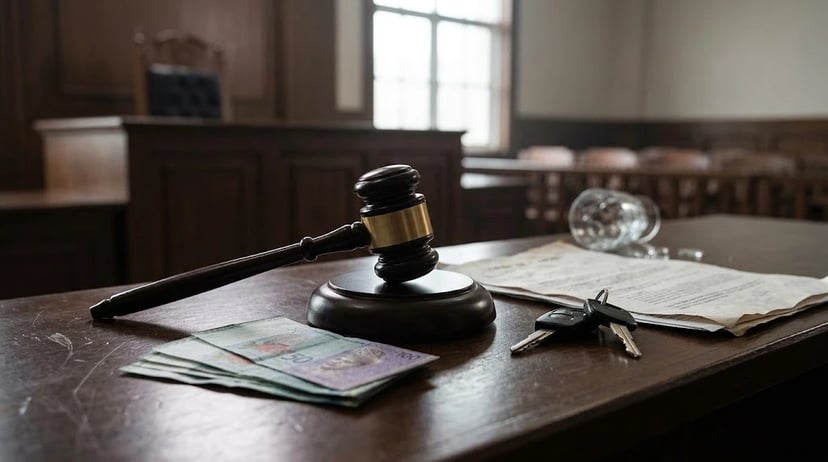
Malaysia is proposing amendments that would let courts order convicted drunk or drug-impaired drivers to compensate victims or their families, but the proposal is not yet law. The government plans to table the amendments at the first parliamentary sitting of 2027.
Table of Contents
Key takeaways
- The proposal would cover drivers under the influence of alcohol or drugs.
- The Transport Ministry says it is considering cases involving death, serious injury and permanent disability.
- Courts would determine compensation based on the facts and evidence of each case; no fixed amount has been announced.
- The government is targeting the first parliamentary sitting of 2027 to table the proposed amendments.
- As of 29 October 2026, the proposal is not yet in force.
What Is Malaysia Proposing?
The government wants to amend the Road Transport Act 1987 (Act 333) so courts can order convicted drivers under the influence of alcohol or drugs to compensate people harmed in a crash, or the families of those killed.
Transport Minister Anthony Loke has said the proposed mechanism is intended to bring compensation into the criminal court process. At present, a driver may face criminal proceedings, while a victim seeking damages may need to pursue a separate civil claim. The minister said that separate process can be costly and take years.
The proposal would add a compensation order to the consequences of a conviction. It would not replace the existing criminal case or automatically guarantee payment to every victim. The final rules will depend on the Bill and any legislation passed by Parliament.
For the government’s explanation of the proposal and its legislative timeline, see Bernama’s report on the planned Act 333 amendments.
How Could Compensation Be Decided?
The government has not announced a fixed compensation rate or a formula for calculating awards. According to the Transport Ministry’s statement in Parliament on 27 October 2026, the proposed mechanism is intended for cases involving death, serious injury or permanent disability. A court would determine the amount based on the evidence and circumstances of each case.
This means the award could depend on the harm suffered and the losses established in court. The exact factors, evidence requirements and process for applying for an order still need to be set out in the legislation.
There is already a general provision for courts to award compensation under Section 426 of the Criminal Procedure Code. The government says it wants a specific provision in Act 333 for these road traffic cases. The proposed change is still being developed.
Expert tip: If you are involved in a crash, keep copies of medical records, receipts, income-loss documents, photographs, and police documents. These records may help support an insurance or legal claim, but follow advice from your insurer or lawyer about the documents required for your case.
Would Compensation Replace an Insurance Claim?
No. The Transport Ministry told Parliament that a compensation order against the offender would be additional to compensation from the offender’s insurance. It also said victims or their families would retain the right to pursue an insurance claim through the relevant legal process.
Insurance and court-ordered compensation are separate parts of the proposed framework. The final law will need to explain how those processes work together and how overlapping payments, if any, are handled.
For general guidance on motor insurance and claims, Bank Negara Malaysia explains motor insurance and takaful coverage. The General Insurance Association of Malaysia (PIAM) has also outlined how third-party injury and death claims may be treated in drink-driving cases. Actual coverage depends on the law, policy terms and facts of the case.
Common mistake: Assuming that a proposed compensation law is already available for a current claim. As of 29 October 2026, the amendments have not been passed or brought into force.
What If the Driver Cannot Pay?
A court order does not necessarily mean the victim will receive the full amount promptly. The government has said it is studying ways to address cases where an offender fails to pay or claims to lack the means.
Options mentioned by Loke include possible asset seizure and additional penalties, such as a heavier fine or further imprisonment. These are measures under consideration, not confirmed parts of a law in force. The final framework will need to establish how non-payment is handled.
The issue is especially important where an offender has few assets or income. The practical value of the proposal will depend not only on how courts calculate compensation, but also on whether and how an order can be enforced.
Read Bernama’s report on the government’s consideration of asset seizure and extra penalties.
When Could the Proposal Take Effect?
The Transport Ministry is preparing the proposed amendments with the Attorney General’s Chambers. Loke has said the government is targeting the first parliamentary sitting of 2027 to table the Bill. That is a target for tabling, not a confirmed start date.
The proposal must still go through Parliament’s legislative process. Until amendments are passed and come into force, existing laws and court processes continue to apply.
| Question | What is known so far |
|---|---|
| Who could be covered? | Drivers under the influence of alcohol or drugs, subject to the final legislation. |
| Which cases are being considered? | Cases involving death, serious injury, or permanent disability, according to the Transport Ministry’s parliamentary statement. |
| Who sets the amount? | The court, based on the evidence and circumstances of the case. |
| When could it start? | No start date has been confirmed. The government is targeting early 2027 to table the Bill. |
What Accident Victims Should Know?
Malaysia’s proposed drunk-driver compensation law could give courts a direct way to order compensation during criminal proceedings, alongside criminal penalties and insurance claims. But amounts, eligibility details and enforcement rules are still being worked out, and the proposal is not yet law.
For other car ownership information and services, explore the Motorist Malaysia website.
Frequently Asked Questions
1. Is Malaysia’s drunk-driver compensation proposal already law?
No. As of 29 October 2026, the government is still preparing amendments to the Road Transport Act 1987. The proposal must go through Parliament before it can take effect.
2. Who could be ordered to pay compensation under the proposal?
The proposal concerns drivers convicted of driving under the influence of alcohol or drugs. The final scope will depend on the Bill passed by Parliament.
3. Which victims could qualify for compensation?
The Transport Ministry told Parliament that it is considering cases involving death, serious injury or permanent disability. The final eligibility rules have not yet been enacted.
4. How much compensation would a victim receive?
No fixed amount or calculation formula has been announced. The proposed approach is for a court to decide based on the evidence and circumstances of each case.
5. Would compensation replace the drunk driver’s criminal punishment?
No. The government has described compensation as an additional measure alongside existing fines and imprisonment for relevant offences.
6. Would victims still be able to claim from the driver’s insurer?
Yes. The Transport Ministry said the proposed court-ordered compensation would be additional to insurance compensation, and victims or their families would retain the right to pursue an insurance claim.
7. What happens if the driver cannot afford to pay?
The government is studying enforcement options, including asset seizure and additional penalties. These options have not been finalised or enacted as part of this proposal.
8. When will the compensation amendments be tabled?
The Transport Ministry is targeting the first parliamentary sitting of 2027 to table the proposed Bill. This is a target, not a confirmed date for the law to start.
9. Do victims need to wait for the proposed law to make a claim?
No. Existing legal and insurance processes continue to apply. Anyone affected should promptly contact their insurer and consider getting legal advice about their circumstances.
Read More: TuJu app: LLM says it was not built to rival Waze
I want to find the highest selling price for my car within 24 hours!
Download the Motorist App now. Designed by drivers for drivers, this all-in-one app lets you receive the latest traffic updates, gives you access to live traffic cameras, and helps you manage vehicle related matters.


