RON95 Petrol Contamination: 43 Samples Show Less Than 0.05% Water
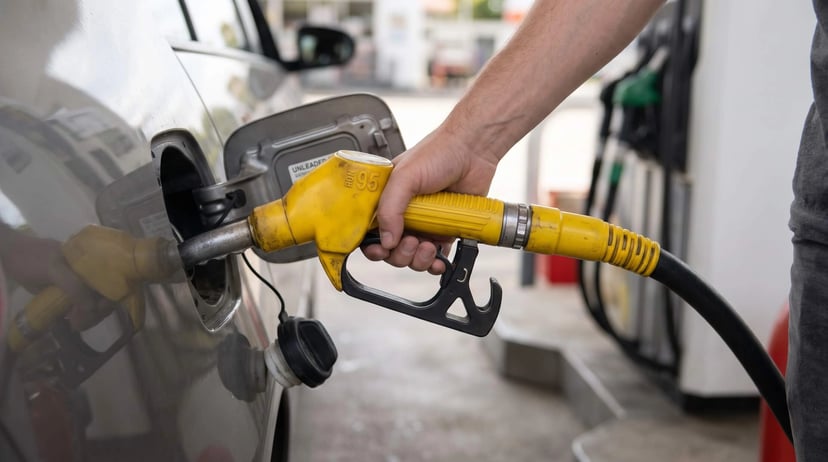
Preliminary laboratory tests on 43 RON95 petrol samples in Malaysia found water content of less than 0.05%, according to the Ministry of Domestic Trade and Cost of Living (KPDN). However, investigations into alleged fuel contamination are still ongoing, with 262 samples collected and the remaining laboratory results yet to be released.
The findings were announced by Domestic Trade and Cost of Living Minister Datuk Armizan Mohd Ali in the Dewan Rakyat on November 5, 2026, following complaints from motorists who suspected contaminated petrol had damaged their vehicle engines.
Table of Contents
- Key Findings From the RON95 Petrol Tests
- Why Is KPDN Investigating RON95 Petrol?
- Where Were the Petrol Samples Collected?
- What Happens to Motorists With Damaged Engines?
- How Is the Government Addressing Fuel Quality?
- What Should Malaysian Motorists Do?
- Expert Tip: What to Do If You Suspect Fuel Contamination
- Common Mistake Motorists Should Avoid
- Frequently Asked Questions
Key Takeaways
- Preliminary testing found less than 0.05% water in all 43 RON95 petrol samples analysed.
- KPDN collected 262 samples, including 259 from petrol stations and three from oil company depots.
- The remaining samples are still undergoing laboratory analysis.
- Petron and Caltex have introduced goodwill assistance programmes for motorists with verified vehicle damage complaints.
- The government is reviewing fuel quality standards and monitoring practices against those in Singapore, the United Kingdom and Australia.
Key Findings From the RON95 Petrol Tests
The Department of Chemistry Malaysia's preliminary report, dated October 29, 2026, found that all 43 RON95 petrol samples tested contained less than 0.05% water.
According to Armizan, this figure was below the laboratory's minimum detectable reporting limit. This means the initial results did not identify reportable water content in the samples tested.
However, motorists should not interpret these preliminary findings as confirmation that all RON95 petrol in Malaysia is free from contamination.
The investigation is still ongoing, and the remaining samples must undergo further testing before KPDN can release its complete findings.
Why Is KPDN Investigating RON95 Petrol?
The investigation began after motorists reported suspected RON95 petrol contamination from October 3, 2026.
Some consumers alleged that foreign substances in petrol had caused problems with their vehicle engines. There were also complaints involving suspected water contamination at several petrol stations.
Reports of unusual fuel conditions and suspected contamination emerged in several states, including Perak, Penang, Kedah and Selangor.
These complaints prompted KPDN to collect petrol samples from affected locations and other parts of the country's fuel supply chain.
The ministry is investigating whether the reported problems are linked to fuel quality, foreign substances or other issues involving the supply and distribution process.
Where Were the Petrol Samples Collected?
As of October 31, 2026, KPDN had collected 262 RON95 petrol samples for laboratory testing.
The samples were collected from eight petrol station brands across eight states, as well as three oil company depots.
The breakdown is as follows:
- 259 samples: Collected from petrol stations.
- 3 samples: Collected from oil company depots.
- 262 samples: Total samples collected for investigation.
- 43 samples: Preliminary analysis completed, with water content below 0.05%.
The remaining samples are still being examined by the Department of Chemistry Malaysia. The full findings will only be announced after the laboratory completes its analysis.
Motorists should therefore wait for the complete investigation results before drawing conclusions about the overall quality of RON95 petrol in Malaysia.
What Happens to Motorists With Damaged Engines?
Motorists who experienced vehicle damage following suspected fuel contamination may be eligible for assistance through customer recovery programmes introduced by Petron and Caltex.
Armizan confirmed that both companies had held discussions with KPDN and started follow-up measures for verified vehicle damage complaints.
The assistance is provided on a goodwill basis and is subject to established criteria. It does not constitute an admission of wrongdoing or legal liability by either company.
Motorists seeking assistance must submit complete complaints together with valid supporting documents.
These documents can help establish the circumstances surrounding the incident and support the assessment of the reported vehicle damage.
Motorists should contact the relevant fuel company directly to confirm its complaint submission requirements and assessment process.
How Is the Government Addressing Fuel Quality?
Besides investigating individual complaints, KPDN is reviewing Malaysia's existing fuel quality standards and monitoring mechanisms.
According to Armizan, the ministry is conducting benchmarking exercises with several countries, including:
- Singapore: Reviewing fuel quality standards and monitoring mechanisms.
- United Kingdom: Examining laboratory testing and fuel monitoring practices.
- Australia: Studying enforcement standards and consumer reporting mechanisms.
The review includes several important areas, such as accredited laboratory testing, trading standards enforcement, fuel monitoring programmes and transparent consumer reporting.
KPDN also held engagement sessions with Petron and Chevron, the company operating the Caltex brand, on October 9 and October 21 to identify the possible causes of the alleged contamination.
Both companies have also sent samples from the petrol stations involved in complaints to their respective laboratories, including overseas facilities, for additional testing.
The ministry has stressed that investigations will cover the entire fuel supply chain, and strict action will be taken if any offences are discovered under existing laws.
What Should Malaysian Motorists Do?
While the investigation continues, motorists should remain alert to unusual vehicle behaviour, especially after refuelling.
Here are several practical steps drivers can take if they suspect their petrol may have caused a problem.
1. Pay Attention to Unusual Engine Behaviour
Watch for symptoms such as engine misfires, difficulty starting, sudden power loss, rough idling or unexpected stalling. These symptoms can have several causes and do not automatically mean the fuel is contaminated.
2. Stop Driving If Serious Problems Occur
If your vehicle experiences severe engine problems after refuelling, find a safe place to stop and switch off the engine. Avoid continuing to drive if doing so could worsen the damage.
3. Keep Your Fuel Receipts
Retain your petrol receipts and record the date, time, location and amount of fuel purchased. These details can help when reporting a suspected fuel-related incident.
4. Get Your Vehicle Inspected
Have a qualified mechanic inspect your vehicle if you suspect fuel-related damage. Request a written diagnostic report and keep all repair invoices.
5. Submit a Formal Complaint
Contact the relevant petrol company and KPDN to report the incident. Provide supporting documents, including receipts, inspection reports and repair records, where available.
For official consumer complaints, motorists can refer to KPDN's e-Aduan portal.
Expert Tip: What to Do If You Suspect Fuel Contamination
Keep a record of every refuelling session.
Make it a habit to retain petrol receipts or record your refuelling details digitally. If your vehicle develops problems shortly after visiting a petrol station, having the exact date, time, station location and purchase details can make it easier to explain your complaint and support an investigation.
Common Mistake Motorists Should Avoid
Assuming every engine problem is caused by contaminated petrol.
Engine misfires, rough idling and difficulty starting can also result from faulty spark plugs, fuel injectors, ignition components or other mechanical problems.
Instead of immediately blaming the petrol station, arrange a proper vehicle inspection and obtain a diagnostic report to identify the actual cause.
Frequently Asked Questions
1. Did KPDN find water contamination in RON95 petrol?
Preliminary tests on 43 RON95 samples found water content below 0.05%, which was below the laboratory's minimum detectable reporting limit.
2. How many RON95 petrol samples did KPDN collect?
KPDN collected 262 samples as of October 31, 2026. These included 259 samples from petrol stations and three from oil company depots.
3. Does the preliminary result mean all RON95 petrol is safe?
No. Only 43 samples had preliminary results announced. The remaining samples are still undergoing laboratory analysis, so the complete findings are not yet available.
4. Which states reported suspected RON95 petrol contamination?
Complaints involving suspected RON95 petrol contamination emerged in Perak, Penang, Kedah and Selangor.
5. When did KPDN begin receiving petrol contamination complaints?
KPDN began receiving complaints about suspected RON95 petrol contamination on October 3, 2026.
6. Can motorists claim compensation for engine damage caused by suspected contaminated petrol?
Petron and Caltex have introduced goodwill assistance programmes for verified vehicle damage complaints. Payments are subject to established criteria and valid supporting documents.
7. Does Petron or Caltex admit responsibility for the alleged contamination?
No. The announced assistance programmes operate on a goodwill basis without either company admitting wrongdoing or legal liability at this stage.
8. What should motorists do if their engines develop problems after refuelling?
Stop driving if the problem is serious, retain the fuel receipt, arrange a professional vehicle inspection and report the incident to the relevant petrol company and KPDN.
9. Are the remaining RON95 petrol samples still being tested?
Yes. The Department of Chemistry Malaysia is continuing to analyse the remaining samples, and KPDN will release the full report after testing is completed.
10. Which countries is Malaysia studying to improve fuel quality standards?
Malaysia is benchmarking its fuel quality standards and monitoring practices against Singapore, the United Kingdom and Australia.
Conclusion
The preliminary findings from KPDN provide an update on Malaysia's ongoing RON95 petrol contamination investigation, with all 43 tested samples recording water content below 0.05%.
However, the investigation is far from complete. With 262 samples collected and further laboratory testing underway, motorists should wait for the full report before drawing conclusions about the country's fuel quality.
In the meantime, drivers should keep their refuelling records, pay attention to unusual engine behaviour and report suspected fuel-related damage through the appropriate channels.
Looking after your vehicle also means keeping track of its maintenance history, repair expenses and ownership details. The Motorist platform helps Malaysian drivers manage their vehicle-related needs in one place.
Read More: RON95 Petrol Contamination: 7 Selangor Stations Probed
I want to find the highest selling price for my car within 24 hours!
Download the Motorist App now. Designed by drivers for drivers, this all-in-one app lets you receive the latest traffic updates, access live traffic cameras, and manage vehicle-related matters.


